
Critical Minerals: Global Tellurium Supply and Demand
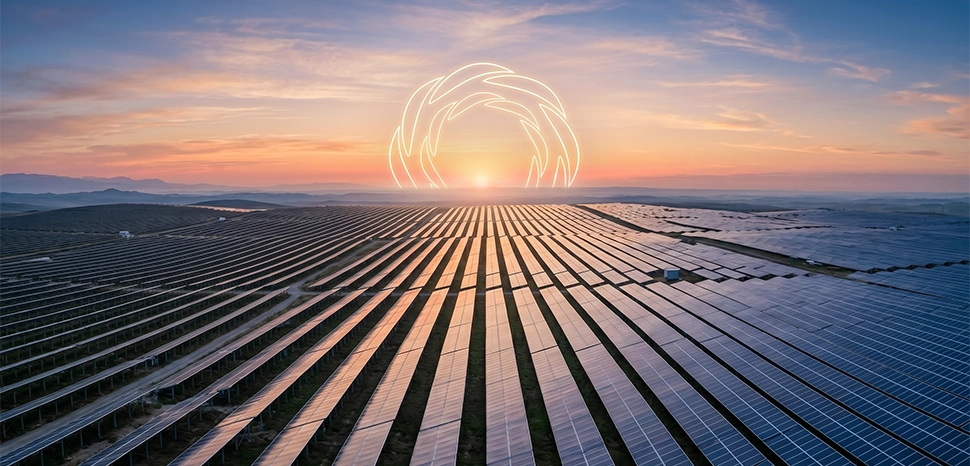
Tellurium represents a critical minerals paradox. On one hand, it accounts for a relatively small global market and tends to be understated in quantitative risk modeling. On the other, it remains a critical input in solar and defense supply chains and is subject to export restrictions from China, which remains the dominant force in global tellurium production.
Escaping Southeast Asia’s Critical Minerals Trap
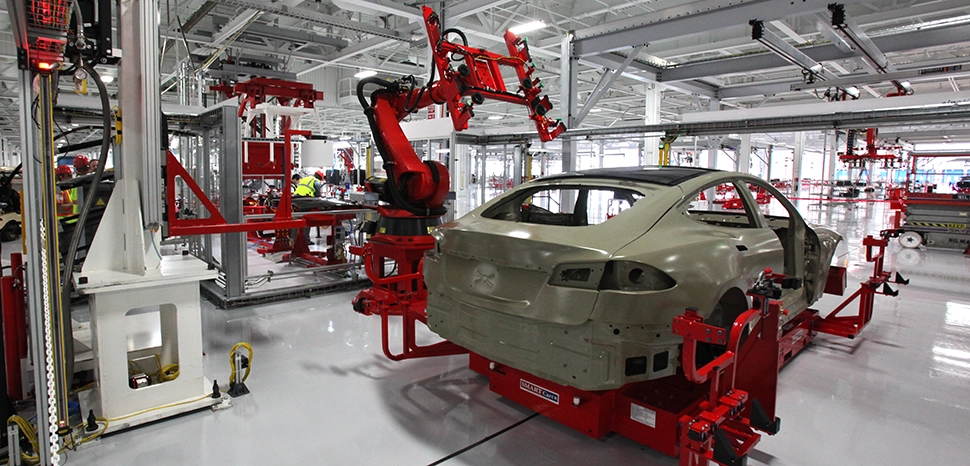
Critical minerals like nickel and tin may power the next economy, but extraction alone will not secure ASEAN’s place in it. Southeast Asia does not need to become the quarry of the energy transition. It needs to become one of its industrial architects.
Cebu’s Wake Up Call for ASEAN’s Energy Future
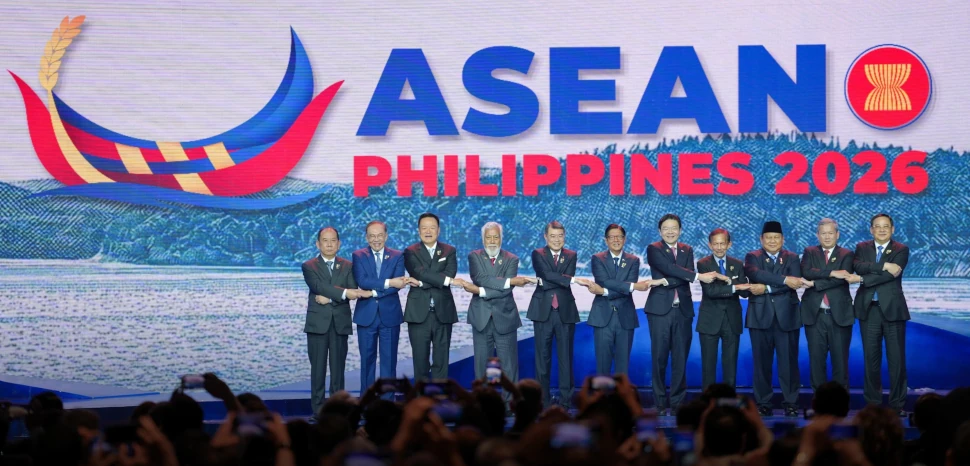
The Iran war is resurrecting old initiatives for bolder cooperation on energy and food security within ASEAN, but with them comes the now familiar friction between geopolitical alignment and collective decision-making.
West African LNG After Paris: Relief, Dependency, or Diversification?

The Iran war served to focus Europe’s political attention on energy diversification. However, recent summits with African producers reveal that the continent remains unwilling to do what is necessary to achieve it.
Energy Dominance: How the Iran War Reveals America’s Strategic Position

The Iran war and other geopolitical ruptures are allowing Washington to reposition itself from systemic guarantor to indispensable supplier. This new role generates revenue where the previous one generated only obligation, while simultaneously converting the dependency it once protected others from into a dependency directed at Washington itself.
Abu Dhabi’s OPEC Exit and the Architecture No One Admitted Was Breaking

UAE’s withdrawal from OPEC may have come as a shock to some, but this is a decision that was made incrementally, across fifteen years, and in theaters far from any OPEC meeting room.
The Atlantic Corridor: West Africa and Europe’s Hedge against US Energy Leverage

The Iran war has cast a spotlight on supply risks inherent to corridor architecture. With the search now on for ways to diversify beyond a volatile Middle East and conditional US suppliers, the West African Atlantic corridor stands out as a way for Brussels to achieve more durable energy security.
Project Vault and the New Era of US Strategic Mineral Stockpiling

President Trump’s ‘Project Vault’ echoes strategic concerns that gave rise to the National Defense Stockpile during the Cold War era, but this new US critical mineral stockpiling effort must navigate a profoundly different policy context and global market.
The Geoeconomic Angle of the Third Gulf War

In the heartland of ancient Persia, the lines in the sand of West Asia’s geoeconomic map are being redrawn.
From Hormuz to Households: The Inflation Tax of Washington’s Iran War

The Iran war is not just a military gamble, but an inflation tax of Washington’s own making.
Iran War Will Echo in Ballot Boxes across The World in 2026

The Iran war is generating the high-inflation, low-growth environment that is a historical incubator for radicalized politics. Examining upcoming elections where these political forces could be decisive.
Sunset over Bitter Lake: Iran War and the Petrodollar
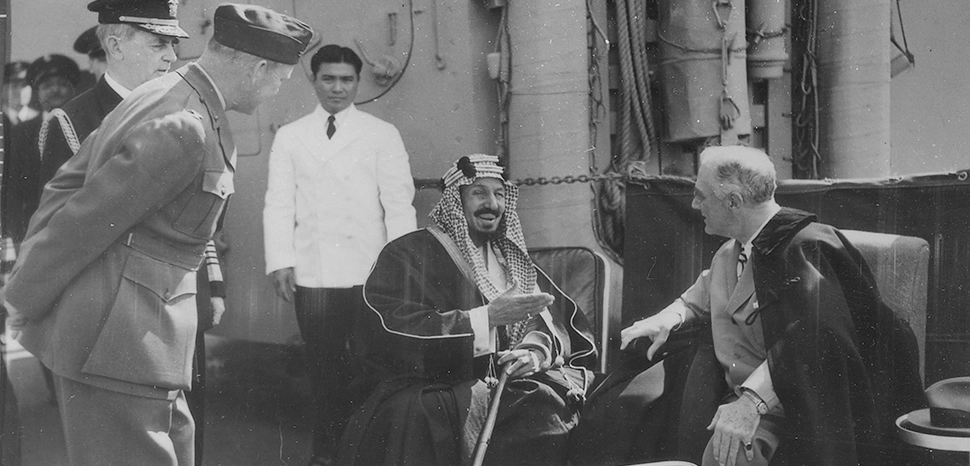
The petrodollar system has always hinged on a US security guarantee to Gulf states, but the durability of this guarantee is now being called into question by the Iran war.
No Leverage, No Exit: Turkey’s Dealmaking in Somalia

Turkey’s dealmaking in Somalia over the past decade tends to be assessed in isolation. But when the whole picture is considered a new model of middle power engagement begins to emerge, complete with new risks and structural dependencies.
Geopolitics Weekly (US-Israel Iran War, Food Prices, THAAD Redeployment)

Examining the latest developments in the US-Israel Iran war, the impact that the conflict is having on global food prices, what the redeployment of THAAD ‘parts’ from South Korea to the Middle East tells us about the war, and a wave of brutal attacks against military bases in northeast Nigeria.
The Hormuz Stress Test: How Long Will Oil Stockpiles Hold Out?

Delving into the data on lost oil volumes transiting the Strait of Hormuz, strategic reserves around the world, and how the global economy will effect a slow yet painful transition in the event of an extended closure.
Precarity by Design: Dumping Duties and the US Palladium Market

A new antidumping duty targeting Russian palladium seeks to insulate US domestic capacity of a critical mineral that plays an outsize role in vehicle supply chains. Yet questions continue to swirl around the long-term health of the US palladium market.
Asymmetric Dependencies: China’s Electrostate and the Global South

China’s clean-energy exports are dominating in the Global South, such that it is now being called an ‘electrostate.’ But this economic success story is giving rise to new political dependencies that could restrict hedging options in an increasingly multipolar world order.
Geopolitics Weekly (US-Israel Iran War)
Examining cascading regional fallout from joint US-Israeli strikes on Iran: recent attacks on critical water and energy infrastructure, evidence of Iran’s ‘mosaic defense’ in action, the possibility of divergences in US-Israeli alignment, and mixed messages surrounding a Kurdish offensive in Iran.
Oil, Geopolitics to Weigh on US as Iran Pivots toward Attrition

President Trump has signaled that he’s ready for a long war, but time isn’t necessarily on Washington’s side.
Geopolitics and Critical Minerals: New Model Emerges in Mining M&A
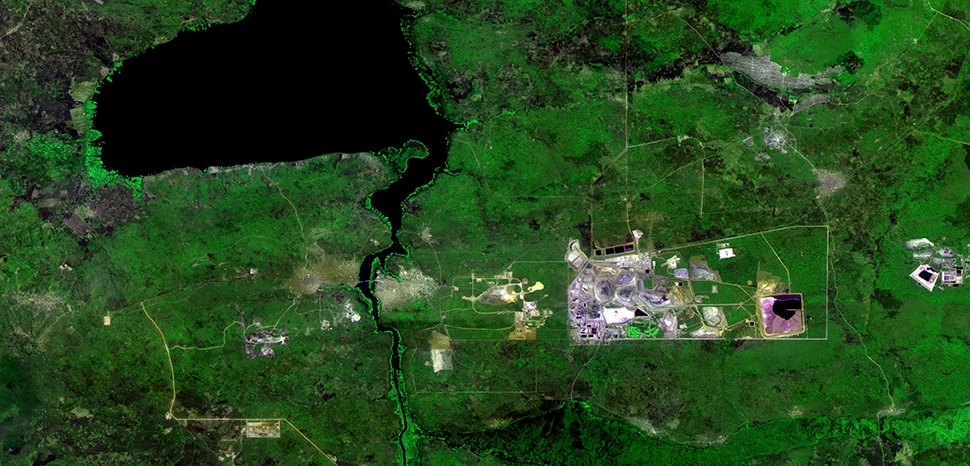
As seen in the recent Orion critical minerals deal, the next chapter of mining consolidation will likely be defined through state-backed consortiums as opposed to organic market forces that culminate in mega-mergers.