
Uranium Industry Emerges as Strategic Bridge between India and Central Asia
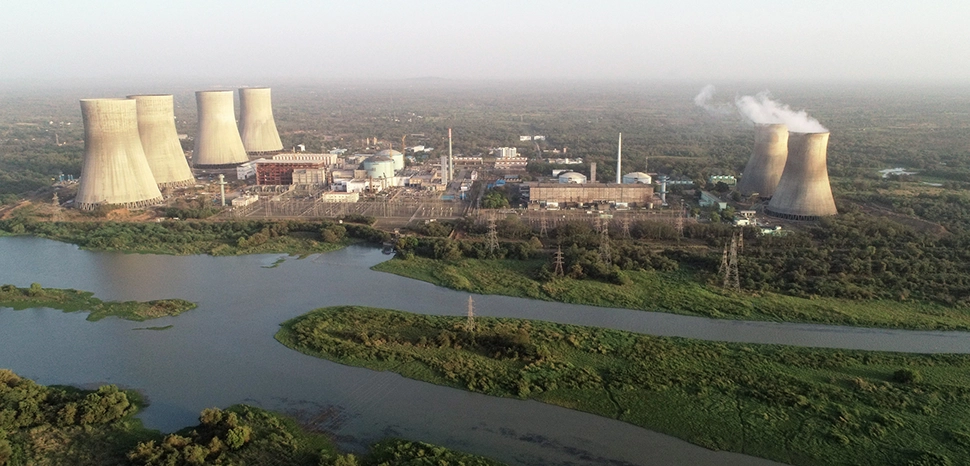
The 4 billion USD Kazatomprom-India uranium contract and the SHANTI Act 2025 are recasting India's foothold in Central Asia.
Geological Maps: Key to Securing Critical Minerals Supply Chains

Geological mapping remains a dangerously neglected block in building Western critical mineral supply chains, hobbling the West’s ability to compete in crucial emerging markets. The USGS has the power to change that.
Cebu’s Wake Up Call for ASEAN’s Energy Future
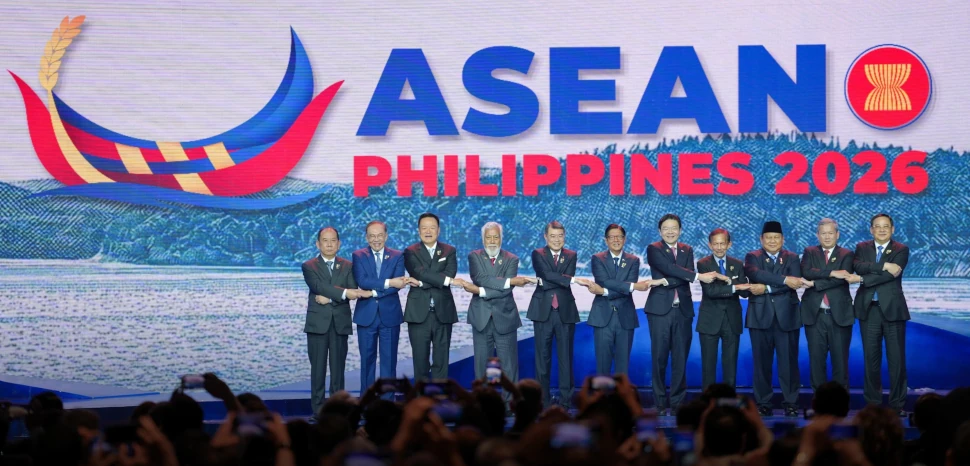
The Iran war is resurrecting old initiatives for bolder cooperation on energy and food security within ASEAN, but with them comes the now familiar friction between geopolitical alignment and collective decision-making.
The Global Water Governance Gap Is Becoming Untenable

Water is no longer a local or technical issue. It is a question of global stability, and the world's institutions need to start treating it as one.
West African LNG After Paris: Relief, Dependency, or Diversification?

The Iran war served to focus Europe’s political attention on energy diversification. However, recent summits with African producers reveal that the continent remains unwilling to do what is necessary to achieve it.
Critical Minerals: Global Indium Supply & Demand

Indium is the one critical mineral that remains restricted in the wake of the November 2025 US-China trade deal, throttling global supply of a key input in data centers. This article explores indium’s geopolitical importance and Washington’s slow but steady progress toward supply diversification.
UAE Leaves OPEC: A Structural Realignment in Global Oil Markets?

The UAE’s exit from OPEC marks the third member in seven years to leave the cartel. Given looming peak oil demand and OPEC’s dwindling share of global production: it won’t be the last.
Energy Dominance: How the Iran War Reveals America’s Strategic Position

The Iran war and other geopolitical ruptures are allowing Washington to reposition itself from systemic guarantor to indispensable supplier. This new role generates revenue where the previous one generated only obligation, while simultaneously converting the dependency it once protected others from into a dependency directed at Washington itself.
Abu Dhabi’s OPEC Exit and the Architecture No One Admitted Was Breaking

UAE’s withdrawal from OPEC may have come as a shock to some, but this is a decision that was made incrementally, across fifteen years, and in theaters far from any OPEC meeting room.
The Atlantic Corridor: West Africa and Europe’s Hedge against US Energy Leverage

The Iran war has cast a spotlight on supply risks inherent to corridor architecture. With the search now on for ways to diversify beyond a volatile Middle East and conditional US suppliers, the West African Atlantic corridor stands out as a way for Brussels to achieve more durable energy security.
Geopolitics Weekly (Iran War, China MANPADs, US Hormuz Blockade)

Examining the latest developments in the US-Israel Iran war, including reports of covert Chinese arms shipments to Iran and the risks involved in President Trump’s threat to blockade the Strait of Hormuz.
Project Vault and the New Era of US Strategic Mineral Stockpiling

President Trump’s ‘Project Vault’ echoes strategic concerns that gave rise to the National Defense Stockpile during the Cold War era, but this new US critical mineral stockpiling effort must navigate a profoundly different policy context and global market.
Geopolitics Weekly (Iran War, NATO Infighting, Economic Fallout)
Examining the latest developments in the US-Israel Iran war; how President Trump’s latest attacks on NATO allies are producing a new response; and mounting global economic fallout from supply chain disruptions in the Persian Gulf.
The Geoeconomic Angle of the Third Gulf War

In the heartland of ancient Persia, the lines in the sand of West Asia’s geoeconomic map are being redrawn.
The Strait of Hormuz and the Power of Chokepoints

The security of a few narrow waterways underpins much of the global economy, and one of them has effectively been closed.
The Rise and Fall of the US Strategic Mineral Stockpile

Examining the cycle of accumulation, complacency, and disposal that characterized US strategic mineral stockpiling through the 20th century.
From Hormuz to Households: The Inflation Tax of Washington’s Iran War

The Iran war is not just a military gamble, but an inflation tax of Washington’s own making.
Iran War Will Echo in Ballot Boxes across The World in 2026

The Iran war is generating the high-inflation, low-growth environment that is a historical incubator for radicalized politics. Examining upcoming elections where these political forces could be decisive.
Critical Minerals: Global Antimony Supply & Demand

Despite its role as an essential input in ammunition manufacturing, antimony has not been mined in the United States since the mid-1990s. It is among the critical minerals earmarked for domestic procurement and stockpiling by the US government – but it will take years to close the gap with external producers like China.
Geostrategic Hospitality: Indonesia in the New Era of Great Power Competition

Indonesia is adapting to the new era of great power competition by openly engaging with all sides, but this balancing act is not without its risks.