
Network over Structure: Moving Beyond Globalization’s Integration-Isolation Binary
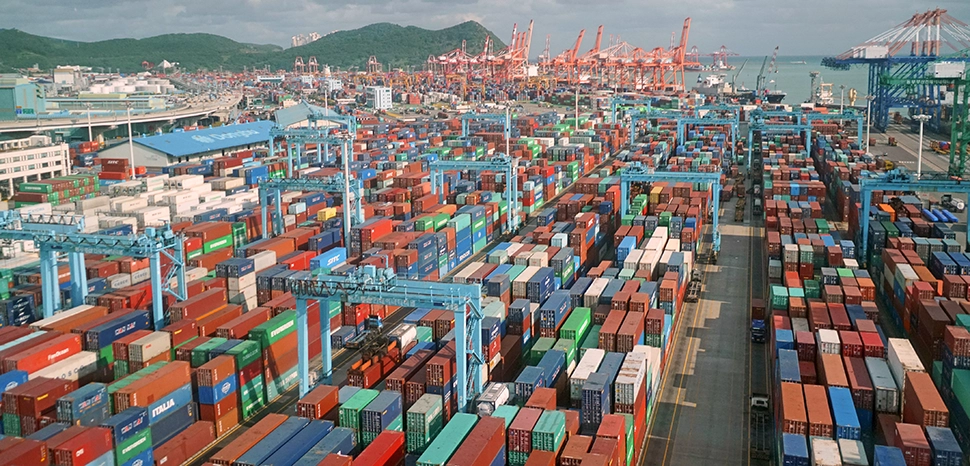
A data-based view of globalization suggests not a binary process of integration-isolation, but rather a layered network structure in which states occupy distinct positional roles in the global economy. It’s not participation that determines a state’s power, but where it’s situated in the global system.
Critical Minerals: Global Tellurium Supply and Demand
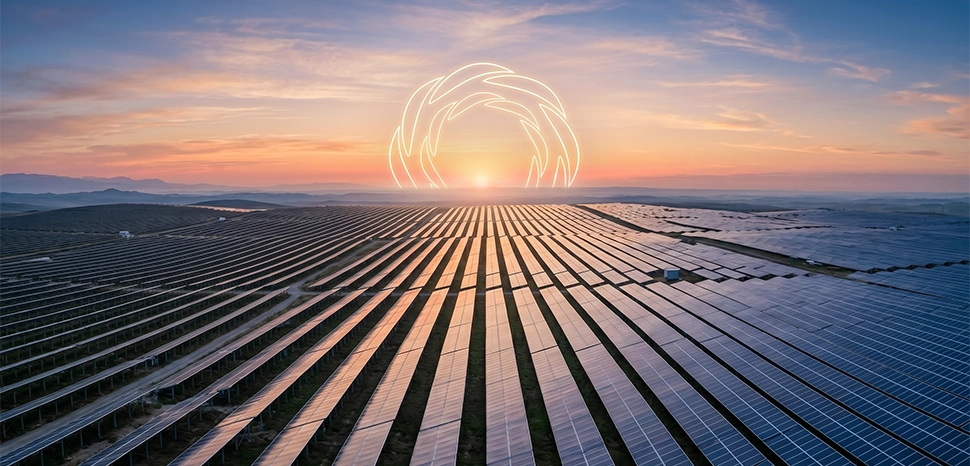
Tellurium represents a critical minerals paradox. On one hand, it accounts for a relatively small global market and tends to be understated in quantitative risk modeling. On the other, it remains a critical input in solar and defense supply chains and is subject to export restrictions from China, which remains the dominant force in global tellurium production.
Escaping Southeast Asia’s Critical Minerals Trap
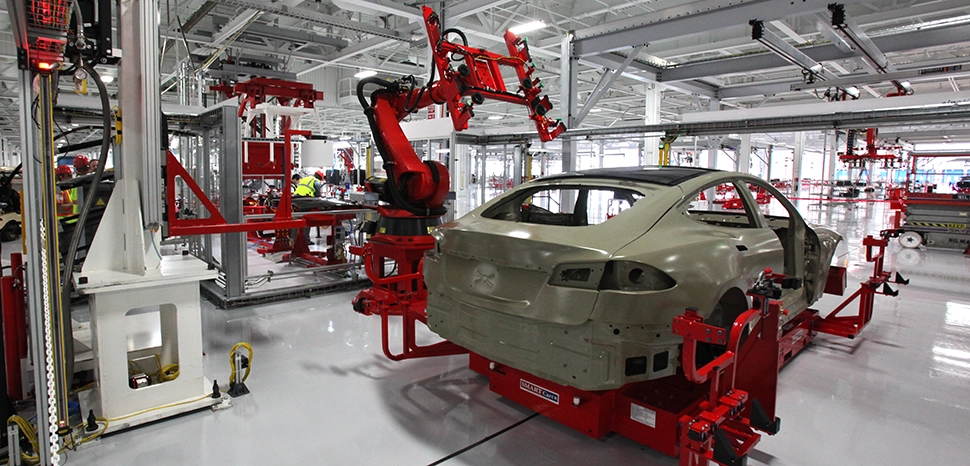
Critical minerals like nickel and tin may power the next economy, but extraction alone will not secure ASEAN’s place in it. Southeast Asia does not need to become the quarry of the energy transition. It needs to become one of its industrial architects.
The Geopolitics of Geo-Engineering: Weather Warfare vs. Climate Security

Geoengineering risks transforming the climate itself into an arena of geopolitical competition, where the atmosphere, sunlight, and weather systems become objects of strategic control.
Geological Maps: Key to Securing Critical Minerals Supply Chains

Geological mapping remains a dangerously neglected block in building Western critical mineral supply chains, hobbling the West’s ability to compete in crucial emerging markets. The USGS has the power to change that.
Indus Waters Treaty, and India-Pakistan Ties: A Year after Pahalgam

With one of the most important cross-border water-sharing treaties ever signed still on hold, what are the chances that Islamabad and New Delhi open talks on the Indus Waters Treaty, and what forum could help bring about a new diplomatic dialogue?
The Atlantic Corridor: West Africa and Europe’s Hedge against US Energy Leverage

The Iran war has cast a spotlight on supply risks inherent to corridor architecture. With the search now on for ways to diversify beyond a volatile Middle East and conditional US suppliers, the West African Atlantic corridor stands out as a way for Brussels to achieve more durable energy security.
Project Vault and the New Era of US Strategic Mineral Stockpiling

President Trump’s ‘Project Vault’ echoes strategic concerns that gave rise to the National Defense Stockpile during the Cold War era, but this new US critical mineral stockpiling effort must navigate a profoundly different policy context and global market.
Precarity by Design: Dumping Duties and the US Palladium Market

A new antidumping duty targeting Russian palladium seeks to insulate US domestic capacity of a critical mineral that plays an outsize role in vehicle supply chains. Yet questions continue to swirl around the long-term health of the US palladium market.
Asymmetric Dependencies: China’s Electrostate and the Global South

China’s clean-energy exports are dominating in the Global South, such that it is now being called an ‘electrostate.’ But this economic success story is giving rise to new political dependencies that could restrict hedging options in an increasingly multipolar world order.
Boom or Bust? Geopolitics Complicates Copper Supply Outlook

Copper now sits at the center of a fast-tightening web of electrification, digital infrastructure, and geopolitical tension. Why has this unassuming metal turned into a strategic chokepoint? And why are the systems that supply it faltering just as demand accelerates?
Thirsty Planet, New Solutions: Three Lessons in Water Security

The intensifying global competition for freshwater resources is reshaping geopolitical landscapes, revealing a new truth: securing water and averting conflicts demands far more than just traditional diplomacy and negotiation. It also calls for visionary policy that can leverage new innovations in desalination, water recycling, and irrigation.
Saving the Aral Sea Demands Central Asia Work Together

The disappearing Aral Sea represents an environmental disaster that can only be reversed through joint efforts in practical restoration, backed by international help. Promising early steps have been made, but more will be needed.
Iran’s Water Crisis: A National Security Imperative

Iran’s national security is no longer defined solely by armies, weapons, or borders—it now hinges on something far more fundamental: water.
Shooting for the Stars with a Paper Airplane: The US-Pakistan Rare Earths Deal

The US-Pakistan rare earths deal looks like a win-win: the US diversifies its rare earth supply chain, Pakistan hedges on FDI. But the optics begin to strain when technological, regulatory, and security realities are considered.
ASEAN’s 2026 Bottleneck: Policy Shocks and Power Limits

The defining risk for Southeast Asia in 2026 is not simply “geopolitics.” It is policy volatility, and it is arriving in tandem with an older, less glamorous constraint: energy infrastructure.
When America Walks Away, Asia Feels the Shockwaves

What happens when the principal architect of the post-war order begins quietly dismantling the scaffolding it once built?
Kra Canal Or Landbridge? The Answer Will Shift Global Geopolitics

Bangkok must now decide on a debate that’s as old as the Thai state – embark on the Kra Canal megaproject or construct a land bridge between the Andaman Sea and the Gulf of Thailand. The result will resonate not just across Thai society, but global geopolitics.
US LPG: A Potential Gamechanger in Energy Geopolitics

Liquefied petroleum gas (LPG) may not have the glamour of hydrogen or offshore wind, but it is having a significant influence on how developing states report emissions and choose long-term energy partners.
Sumatra Floods: Tragedy Becomes a Political Fault Line
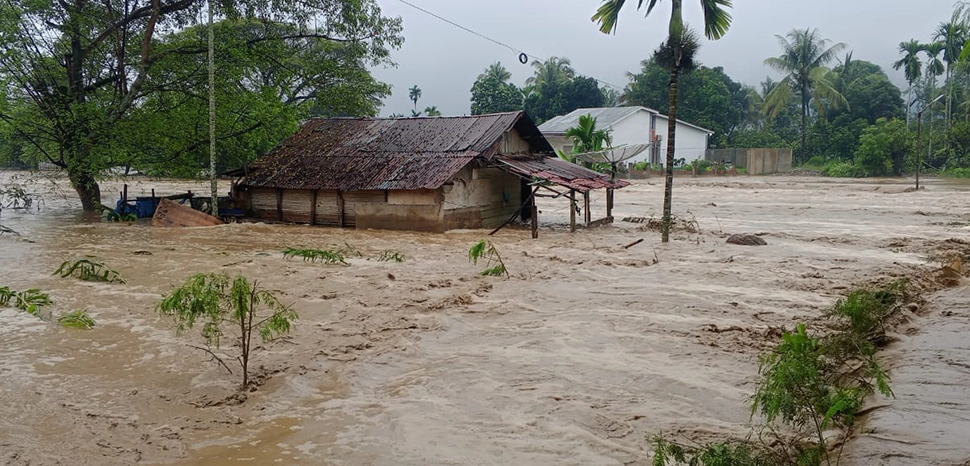
The Sumatra floods necessitate a stark choice: whether to defend an image of self-reliance, or to embrace a practical humility that lets neighbors’ hands reach across the water to save lives.