Geopolitics Weekly analyzes emerging geopolitical trends around the world, distilling the cacophony of global events into one easy reader. It lands in the inbox of Geopolitical Monitor subscribers every week. This edition focuses on the US-Israel Iran war.
Middle East
Strikes Widen as US-Israel War against Iran Enters Second Week
What Happened
Notable events surrounding the US-Israel Iran war over the weekend:
- Iran’s Assembly of Experts selected a new supreme leader: Mojtaba Khamenei, son of Ali Khamenei. Israel has indicated that it will target any future successor.
- Water desalination plants have become targets in the conflict. Over the weekend, Iran accused US forces of striking a desalination plant on Qeshm Island. A desalination plant in Bahrain was then hit in an apparent reprisal attack.
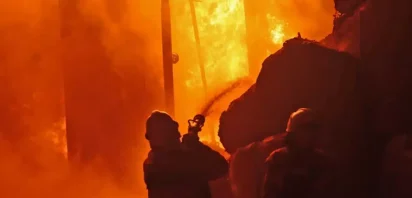
- Iran’s oil facilities were targeted for the first time over the weekend, with Israeli strikes on fuel depots at five different facilities in and around Tehran, unleashing toxic fumes and sporadic blackouts in the capital.
- Iran President Masoud Pezeshkian apologized for strikes on Gulf countries. Hours later, Dubai’s international airport was hit by a drone strike.
- Energy Secretary Chris Wright assured that energy prices would fall once the US removes Iran’s capacity to strike tankers in the Strait of Hormuz. The process is expected to take ‘weeks, not months.’
- Satellite imagery revealed that Iranian drone strikes took out US radar sites in Jordan, Saudi Arabia, and the UAE during the opening days of the conflict. With a combined estimated price tag of $1 billion, these systems are a critical element in US missile defense across the Gulf and cannot be easily replaced.
- President Trump said that the US was seeking ‘unconditional surrender’ on Friday. On Saturday, he said that the map of Iran ‘may not look the same’ after the war.
- Fighting in southern Lebanon and strikes on Beirut continued through the weekend.
- Saudi Arabia has warned Iran that it will retaliate if attacked.
- There are reports that the US is weighing a possible Special Forces operation to seize and secure Iran’s stockpile of highly enriched uranium at a later stage of the war.
Why It Matters
If there’s a universal theme in these recent developments, it’s that none suggest an imminent conclusion as the conflict enters its second week:
- Middle East Water Wars. The targeting of oil and water infrastructure marks a troubling escalation in the conflict, away from early hopes of a swift campaign of surgical strikes and toward a more protracted total war. The risk of human suffering is profound. Recall that Iran was already in the grips of a severe water crisis before the fighting broke out. Assuming that the US-Israel side was first to target a desalination plant, reprisals against water infrastructure would be a natural if ruthless extension of Iran’s strategy of maximizing costs for Gulf states housing US military assets. The screws can be turned incrementally by targeting any number of the approximately 400 desalination plants across the region. A few considerations to note: 1) water security is an existential concern for all involved, with desalination plants providing anywhere from 42-90% of drinking water in Gulf states. 2) Strikes on water and other critical infrastructure demonstrate some of the limits of missile defense under a scorched earth mindset. Not even considering the relative costs vis-vis drones, degradation of underlying radar infrastructure, and limited interceptor stocks, there is simply no shortage of targets available. It’s impossible to cover them all. And 3) targeting oil and water infrastructure risks fracturing the domestic and diaspora support that US-Israeli planners had been relying on to do the heavy lifting on the ground in this regime change effort, because it’s hard to sell the destruction of a country’s economic lifeblood as somehow not an aggressive act toward its people.