On February 5, Rio Tinto formally ended talks over a potential $260 billion merger with Glencore, concluding weeks of talks that would have created the world’s largest mining company. This latest announcement marks the third failed attempt at a tie-up, dating back to when the idea was first floated before the 2008 financial crisis.
Glencore executives contend that the terms proposed for the merger significantly undervalued Rio’s primary motive for the deal, which centers on Glencore’s expansive copper portfolio and assets. For Rio Tinto, there is an urgency among shareholders to lessen the company’s reliance on iron ore, a cash cow segment that faces headwinds in future growth potential due in part to pullbacks by China in its steel industry.
The deal’s failure reflects deeper structural forces reshaping global extraction. The mining industry is undergoing its most significant transformation in decades, driven by critical minerals demand, great power competition, protectionism, and commodity prices that have made premium assets extraordinarily expensive to acquire.
This dynamic distinguishes mining from oil and gas, where a well-understood price “sweet spot” governs the sector’s health. Crude hovering around $70 to $80 per barrel is generally optimal, whereas prices below or above that make drilling uneconomical or depress market demand.
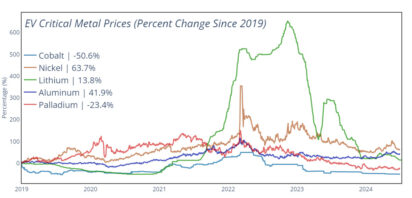
This contrasts with the M&A dealmaking conditions for the mining sector. Higher prices for copper, gold, and silver do not suppress demand, because these materials lack input substitutions for EVs, grid infrastructure, and defense systems. Elevated prices in mining therefore do not trigger the same negative feedback loop as they do in oil and gas. Rather, these conditions inflate asset valuations, make acquisitions costlier, and incentivize producers to hold on to premium deposits.