The 21st century marks a pivotal transition for energy production and consumption, with fossil fuels gradually yielding to a diversified energy mix that increasingly features renewable sources. Amidst this shift, the role of graphite in powering this pivot is both vital and understated. Although graphite may not readily evoke the recognition associated with commodities such as oil or gold, its strategic relevance makes it a critical resource for clean energy. This report investigates graphite’s unique attributes, diverse applications, and the market dynamics affecting its geopolitical and economic significance.
Graphite Properties and Applications
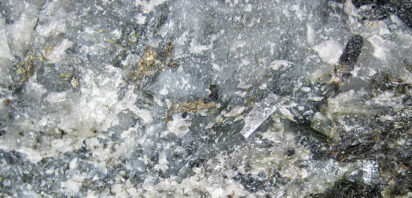
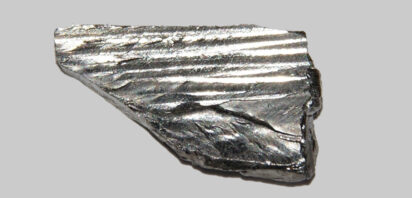
Graphite, a critical mineral in the global market, is primarily available in natural and synthetic forms. Both forms have distinct characteristics, influencing their demand, pricing, extraction methods, and applications, thus significantly impacting the composition of the global graphite market. Natural graphite is sourced directly from the earth and classified as flake, amorphous, and vein graphite, each possessing varying degrees of purity and suitability for different applications. Flake graphite, for instance, is highly sought after in producing lithium-ion batteries.
On the other hand, synthetic graphite is an artificial product created by a more energy-intensive process of heating high-carbon substances like petroleum coke at high temperatures. In addition to higher production costs than natural graphite, the synthetic version possesses higher purity levels and consistency in quality. As a result, synthetic graphite is preferred in end-use applications demanding extreme precision, such as aerospace manufacturing and nuclear energy production.
Graphite exhibits unique properties crucial to a variety of industrial processes. It is characterized by high thermal stability, chemical inertness, exceptional conductivity, and inherent lubricating capabilities. Furthermore, graphite’s resilience to extreme temperatures renders it an indispensable material for various industries, particularly battery technology. Graphite forms the primary component in the anodes of lithium-ion batteries used to power Electric Vehicles (EVs), smartphones, laptops, and storage systems for electric grids.
Graphite Supply Chain Dynamics
As the leading graphite producer, China exerts considerable influence in the global market. Nevertheless, China’s control could gradually erode due to escalating competition and geopolitical considerations that threaten to reorient the supply chains of “battery metals.”