
Supply Chains News & Analysis
Latin America’s Blue Tide Sweeps through Colombia | Geopolitics Weekly

Colombia pivots right, the Iran war MOU is tested throughout the week, Ebola spreading in DRC sight unseen, and Ukraine vows to bring the war to Moscow.
Copper Squeeze Threatens US AI Buildout
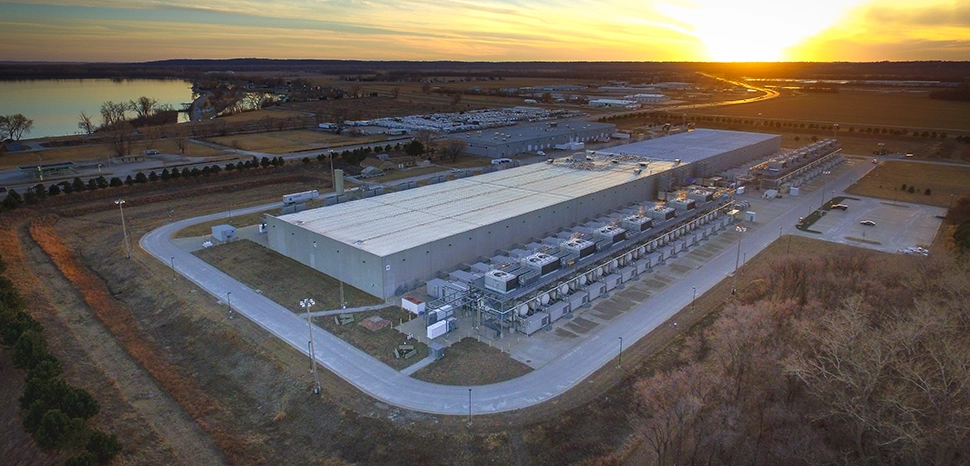
Copper is a key input for the data centers fueling the AI boom, and copper supply chains are riddled with geopolitical and capital risks. Strong investment will be needed to get ahead of the coming copper squeeze, and the clock is already ticking.
IMEC Corridor Seeks Reboot after Hormuz Stress Test
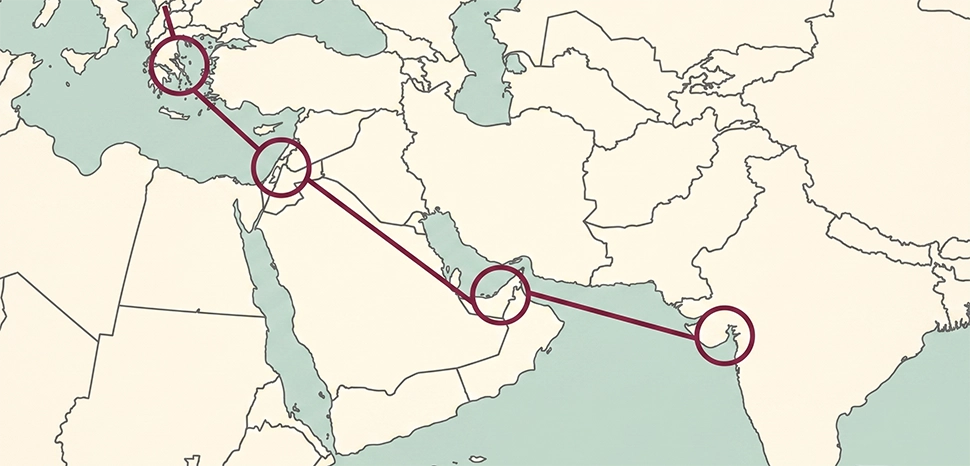
The US-backed IMEC corridor sought to bolster resilience against the weaponization of chokepoints. Yet the Iran war closed the very waters the transport corridor relies on, and this is now forcing a rethink on future routes.
Network over Structure: Moving Beyond Globalization’s Integration-Isolation Binary
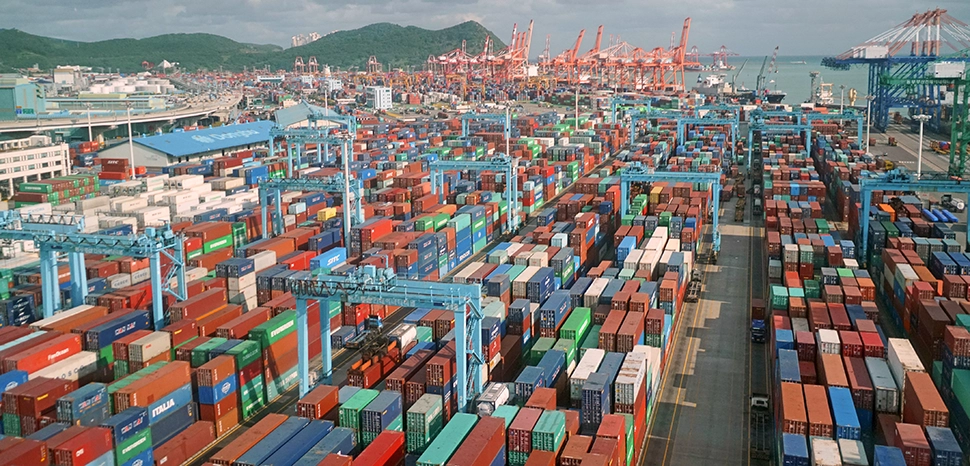
A data-based view of globalization suggests not a binary process of integration-isolation, but rather a layered network structure in which states occupy distinct positional roles in the global economy. It’s not participation that determines a state’s power, but where it’s situated in the global system.
Critical Minerals: Global Tellurium Supply and Demand
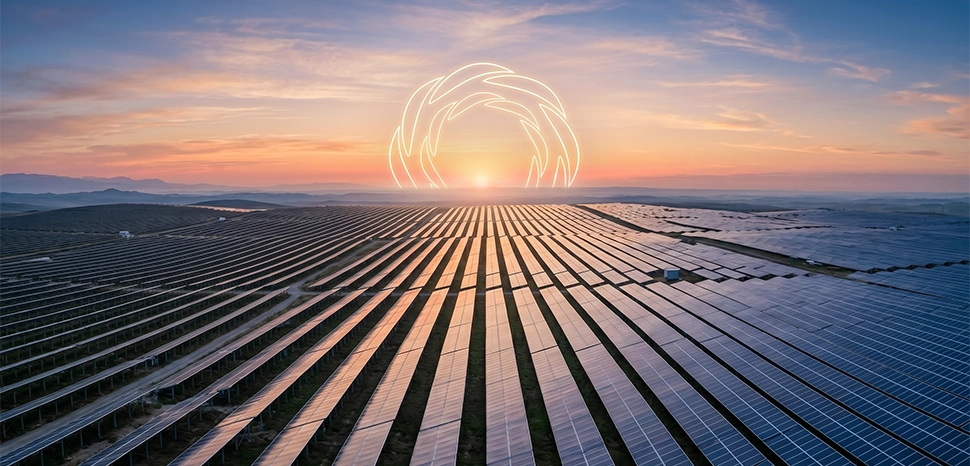
Tellurium represents a critical minerals paradox. On one hand, it accounts for a relatively small global market and tends to be understated in quantitative risk modeling. On the other, it remains a critical input in solar and defense supply chains and is subject to export restrictions from China, which remains the dominant force in global tellurium production.
Escaping Southeast Asia’s Critical Minerals Trap
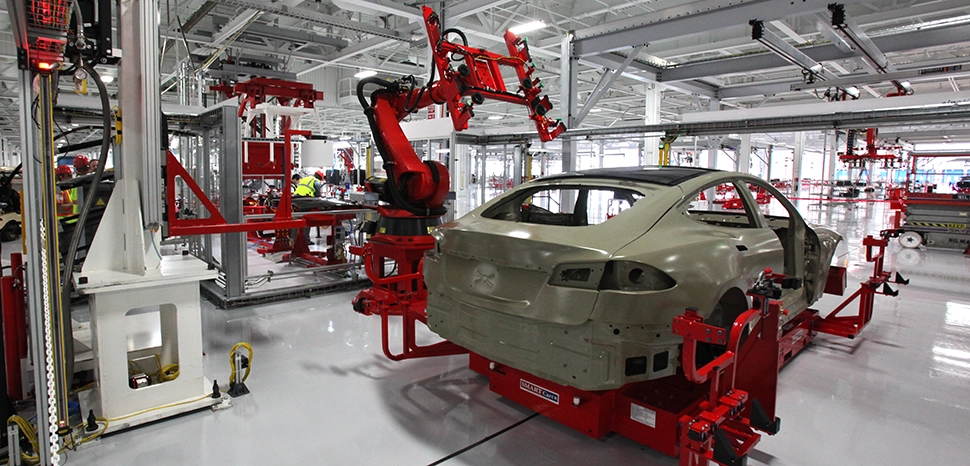
Critical minerals like nickel and tin may power the next economy, but extraction alone will not secure ASEAN’s place in it. Southeast Asia does not need to become the quarry of the energy transition. It needs to become one of its industrial architects.
DP World’s Brazil-Africa Corridor: Rise of a New South Atlantic Trade Lane?
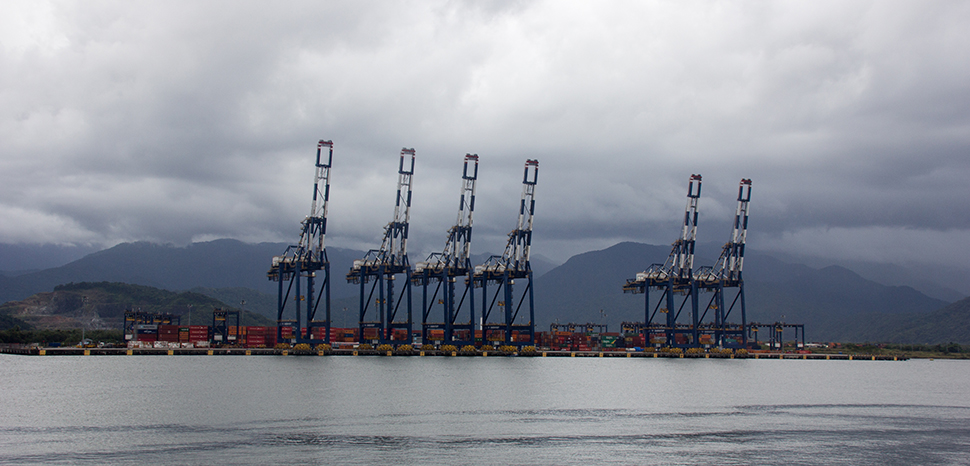
DP World’s vision of a Brazil-Africa Corridor signals the steady extension of Gulf logistics control into the South Atlantic. But the project, which would alter supply chains for food, energy, and minerals, is far from geopolitically neutral.
Critical Minerals: Global Indium Supply & Demand

Indium is the one critical mineral that remains restricted in the wake of the November 2025 US-China trade deal, throttling global supply of a key input in data centers. This article explores indium’s geopolitical importance and Washington’s slow but steady progress toward supply diversification.
The Strait of Malacca Is Malaysia’s Industrial Spine

Malacca doesn’t just provide Malaysia with geographic relevance. It also represents industrial opportunity, but only if Kuala Lumpur moves to take advantage of it.
The Atlantic Corridor: West Africa and Europe’s Hedge against US Energy Leverage

The Iran war has cast a spotlight on supply risks inherent to corridor architecture. With the search now on for ways to diversify beyond a volatile Middle East and conditional US suppliers, the West African Atlantic corridor stands out as a way for Brussels to achieve more durable energy security.
Oil Dependency in Wartime: Malaysia and the Iran War

Malaysia faces existential supply chain disruptions and new fiscal pressures amid the Iran war, and its struggle is hardly exceptional in South Asia.
Belarus Profits as Iran War Upends Fertilizer Markets

The rehabilitation of Belarusian potash illustrates how supply chain shocks from the Iran war are rippling across wider US diplomatic strategy.
Geopolitics Weekly (Iran War, NATO Infighting, Economic Fallout)

Examining the latest developments in the US-Israel Iran war; how President Trump’s latest attacks on NATO allies are producing a new response; and mounting global economic fallout from supply chain disruptions in the Persian Gulf.
Some Win, Some Lose, All Sing the Blues: Global Impacts of Hormuz Closure

The impacts of Strait of Hormuz closure are not evenly distributed, at least in the short-term. But the economic pain becomes more universal the longer the crisis continues.
Geopolitics and Critical Minerals: New Model Emerges in Mining M&A
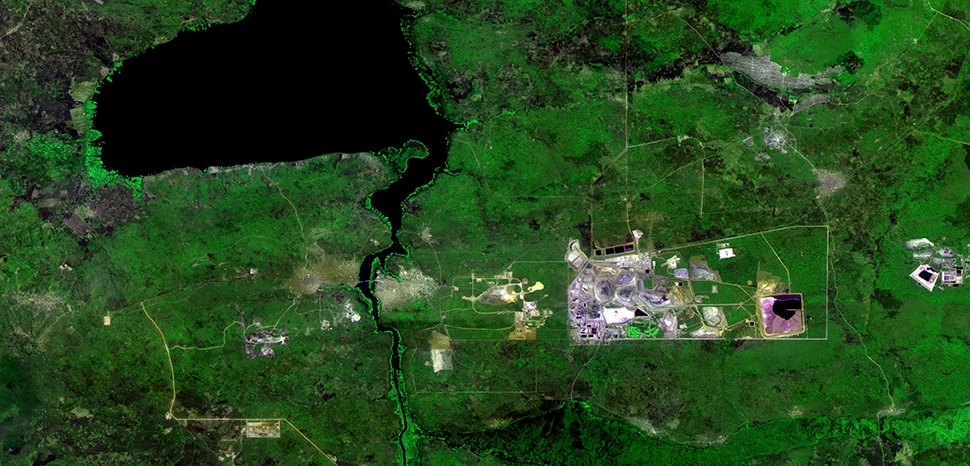
As seen in the recent Orion critical minerals deal, the next chapter of mining consolidation will likely be defined through state-backed consortiums as opposed to organic market forces that culminate in mega-mergers.
Washington’s Coercion Creep: When Foreign Policy Starts Taxing Global Commerce

New tariff authority tied to Iran-linked trade and renewed US maritime guidance near the Strait of Hormuz show a familiar pattern: Washington is turning “national security” tools into daily friction for commerce. These costs are easy to trigger and harder to unwind.
ASEAN’s 2026 Bottleneck: Policy Shocks and Power Limits

The defining risk for Southeast Asia in 2026 is not simply “geopolitics.” It is policy volatility, and it is arriving in tandem with an older, less glamorous constraint: energy infrastructure.
Kra Canal Or Landbridge? The Answer Will Shift Global Geopolitics

Bangkok must now decide on a debate that’s as old as the Thai state – embark on the Kra Canal megaproject or construct a land bridge between the Andaman Sea and the Gulf of Thailand. The result will resonate not just across Thai society, but global geopolitics.
US National Security Strategy: Africa Debuts as a Global Player

The strategic logic of the United States’ new National Security Strategy puts Africa’s mineral wealth and global connectivity front and center. However, US diplomacy must adapt to fully take advantage of this new reality.
Critical Minerals: Global Tungsten Supply & Demand

The industrial and military applications of tungsten make it a mainstay in critical minerals lists. Yet despite an evident strategic value that dates back to World War II, China currently dominates all portions of the global tungsten supply chain. This article explores the strategic importance of tungsten and the recent push by the United States to secure independent sources of supply.