
De-escalation Without Resolution: Iran and the Limits of American Power
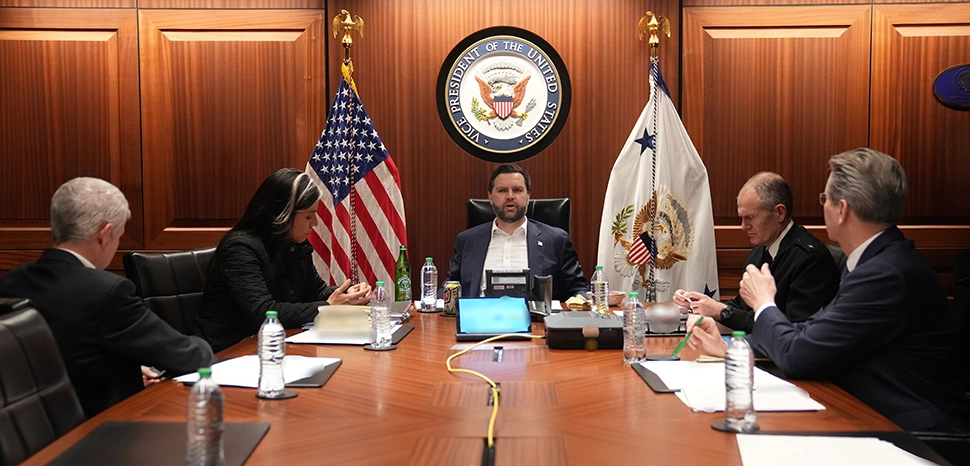
The Iran war has revealed both the enduring military predominance of the US and the limits of that power in shaping political outcomes.
The Iran War: Attack on Thirsty Nation
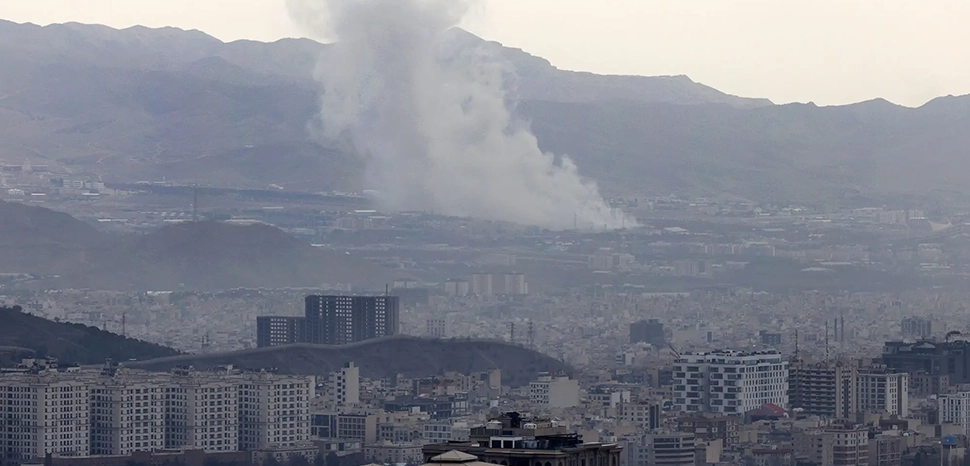
Water infrastructure has emerged as a strategic target in the Iran war, signaling a possible trend for future conflicts.
What Iran’s Latest Strike Reveals About Its Evolving Deterrence Strategy
![The following sources identify the missiles in this photo as Shahab-1 missiles: [1] [2]. The Shahab-1 is a short-range ballistic missile (MRBM) developed by Iran. Shahab-1 in Great Prophet military exercise; cc Hossein Velayati, modified, https://commons.wikimedia.org/wiki/File:Shahab-1_Missile_by_YPA.IR_02.jpg](https://www.geopoliticalmonitor.com/wp-content/uploads/2026/06/Shahab-1_Missile_by_YPA.IR_02.webp "The following sources identify the missiles in this photo as Shahab-1 missiles: [1] [2]. The Shahab-1 is a short-range ballistic missile (MRBM) developed by Iran. Shahab-1 in Great Prophet military exercise; cc Hossein Velayati, modified, https://commons.wikimedia.org/wiki/File:Shahab-1_Missile_by_YPA.IR_02.jpg")
New strikes on Israel show how the line between attacks on Iran and attacks on Iran’s strategic ecosystem is becoming blurred, resulting in new risks, new calculations, and a more complex regional security environment going forward.
“Hormuz Safe”: Iran’s Fifth Layer of Maritime Sovereignty
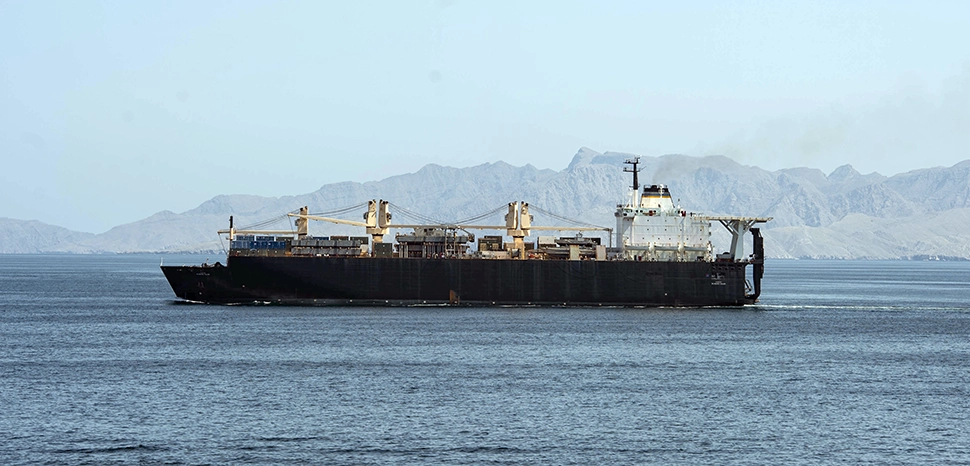
For Washington, Iran’s “Hormuz Safe” scheme is a dangerous proposition, demonstrating that a sanctioned state can build its own maritime financial infrastructure, bypassing Lloyd's, the dollar, and US sanctions simultaneously.
DP World’s Brazil-Africa Corridor: Rise of a New South Atlantic Trade Lane?
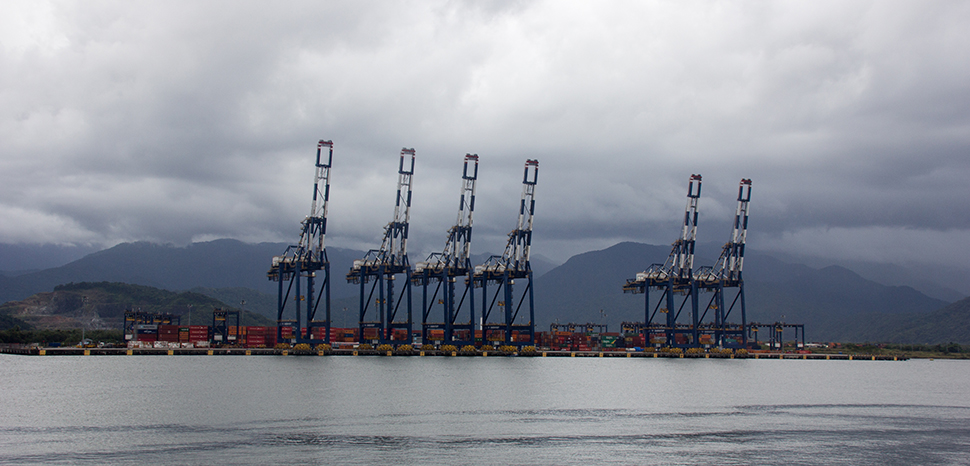
DP World’s vision of a Brazil-Africa Corridor signals the steady extension of Gulf logistics control into the South Atlantic. But the project, which would alter supply chains for food, energy, and minerals, is far from geopolitically neutral.
Washington Risks Repeating Israel’s Strategic Mistake in the War of Attrition
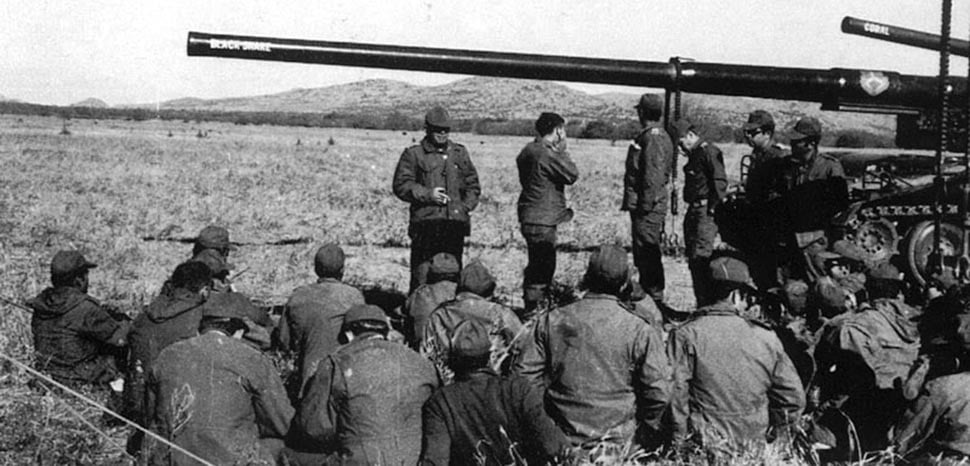
The risk faced by the United States in the Strait of Hormuz mirrors Israel’s War of Attrition against Egypt: What presents as a contained skirmish may actually be setting the stage for a future regional war.
A Hard Offer to Refuse: Ukraine’s Strategic Pitch to a Middle East in Flux

Russia’s support for its Iranian ally imperils years of economic and diplomatic engagement with Gulf states. Ukraine has taken advantage of this contradiction, offering Gulf states no-strings-attached operational expertise against a weapon that Kyiv knows too well. The resulting erosion of Russia’s footprint in the Middle East will resonate for years, if not decades to come.
Iran Is Not Trying to Close Hormuz Anymore. It Is Trying to Own It.

While Gulf states invest in bypass pipelines to escape Iranian geography, Tehran is successfully institutionalizing permanent administrative control over the Strait through a new maritime toll authority and a "don’t-ask-don’t-tell" insurance market.
Three Frameworks, One Paralysis: What IR Theory Reveals About Gaza

A theoretical reading of the Gaza conflict reveals a world in which international humanitarian law remains formally intact but functionally conditional.
Syrian Refugee Returns After Assad: Political Imperatives and Humanitarian Realities

Examining Syrian refugee populations in neighboring countries and the European Union, as well as the challenges faced by host governments and the al-Sharaa regime in inducing them to return and help rebuild a country devastated by civil war.
Is ‘North Koreanization’ the Only Logical Move Left for Iran?

If the Iranian regime survives, what comes next is not a choice between proxies and nukes. It is the recognition that nukes are now the only rational security option.
India’s Gulf Calculus: Can Chabahar Port Anchor a Strategic Role?

India must insert itself into the fray of the Iran war before the diplomatic space is occupied by others, and leveraging the economics of Chabahar port and the INSTC is the best way to do it.
UAE Leaves OPEC: A Structural Realignment in Global Oil Markets?

The UAE’s exit from OPEC marks the third member in seven years to leave the cartel. Given looming peak oil demand and OPEC’s dwindling share of global production: it won’t be the last.
Abu Dhabi’s OPEC Exit and the Architecture No One Admitted Was Breaking

UAE’s withdrawal from OPEC may have come as a shock to some, but this is a decision that was made incrementally, across fifteen years, and in theaters far from any OPEC meeting room.
Iran Has Become Incompatible with Gulf Security

The most important outcome of this war is not the ceasefire; it is the emergence of a new regional baseline where Iran is no longer viewed as a manageable competitor but a persistent threat actor that must be contained.
Iran’s Militarization Reflects Fear at Home, Not Just Threats Abroad

The growing visibility of the IRGC does not signal a clean transfer of power from clerics to generals. Rather, it reflects the Iranian regime’s increasing dependence on coercive institutions as other sources of authority weaken.
Operating in the Gulf Now Means Operating in Geopolitics

The Iran war has pushed the Gulf into a different category of risk, one in which commercial exposure can no longer be cleanly separated from geopolitical conflict.
The Next-Hand Syndrome: America’s War Gamble Against Iran

Operation Epic Fury may have begun as a demonstration of power, but its ultimate significance will depend on whether Washington recognizes when to leave the table—or continues raising the stakes in pursuit of a winning hand that may never arrive.
Pakistan’s Debt Dispute with UAE Signals Possible Bilateral Rift

Islamabad’s attempt to position itself as a credible mediator in the Iran war obscures evidently deteriorating relationships with regional partners like the UAE.
As Hormuz Burns, Is Pakistan the Bridge or the Fault Line?
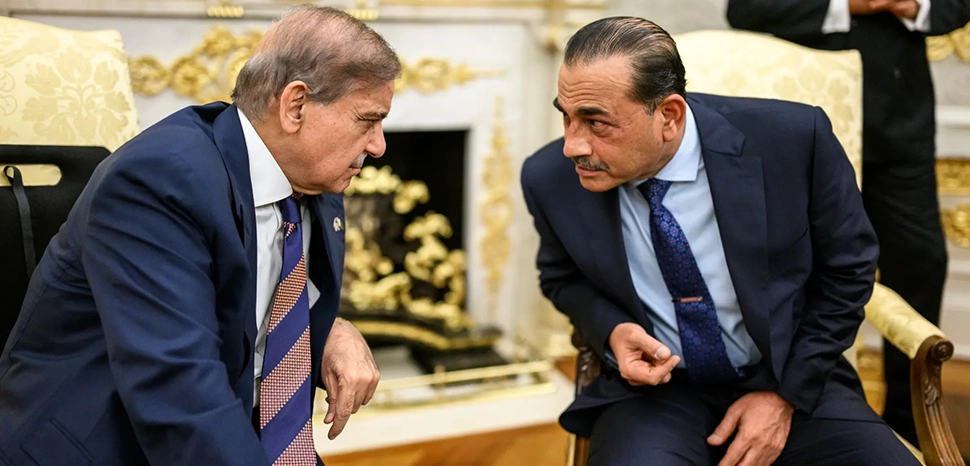
Pakistan’s mediation of the Iran war is a high-stakes reflection of how middle power dynamics are evolving in real time. Success could elevate Pakistan’s status and potentially reshape regional dynamics. A breakdown, by contrast, could entrench cynicism about mediation and expose Islamabad to the very conflict it seeks to avoid.