
Copper Squeeze Threatens US AI Buildout
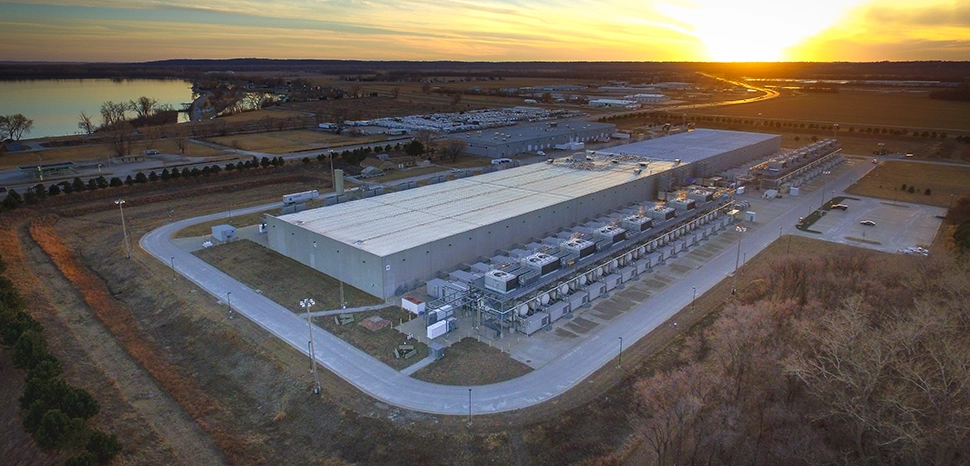
Copper is a key input for the data centers fueling the AI boom, and copper supply chains are riddled with geopolitical and capital risks. Strong investment will be needed to get ahead of the coming copper squeeze, and the clock is already ticking.
IMEC Corridor Seeks Reboot after Hormuz Stress Test
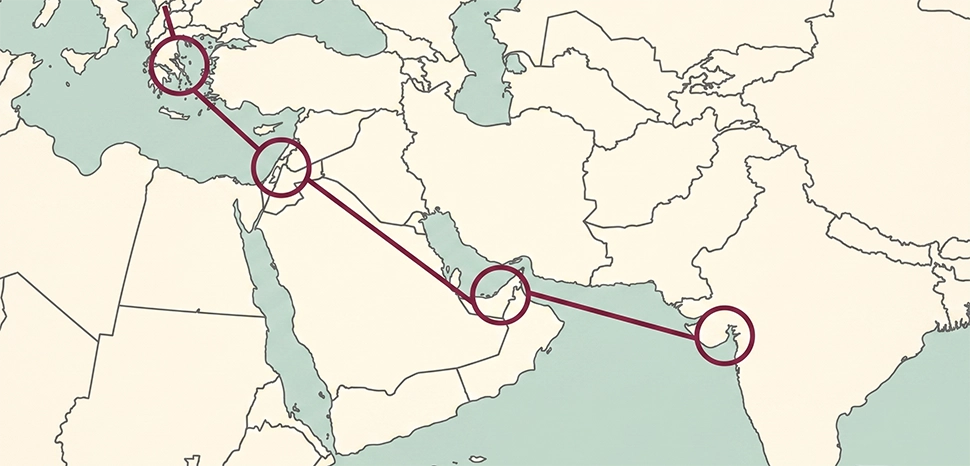
The US-backed IMEC corridor sought to bolster resilience against the weaponization of chokepoints. Yet the Iran war closed the very waters the transport corridor relies on, and this is now forcing a rethink on future routes.
2026 Gibraltar Agreement: Can Spain Erode British Sovereignty?
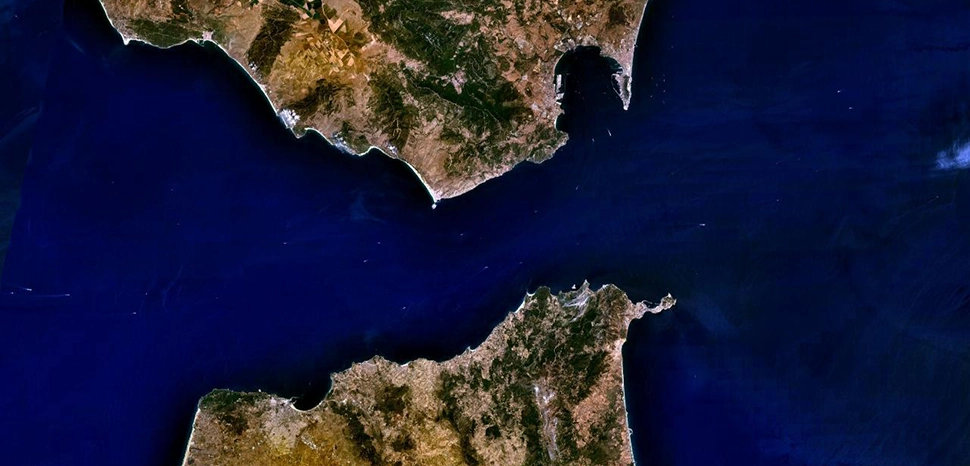
The UK and Spain celebrate the deal as a historic pact, yet the dispute over Gibraltar sovereignty persists.
Russia’s Irrecoverable Losses: Industrial Limits and the Future of Strategic Power

The Ukraine war revealed a Russian military that was far more fragile than assumed, and these weaknesses have multiplied as limited resources are funneled toward the immediate demands of the battlefield. When the dust has finally settled, Moscow will face tough questions over whether to rebuild its military capacity as a superpower or a middle power.
Network over Structure: Moving Beyond Globalization’s Integration-Isolation Binary
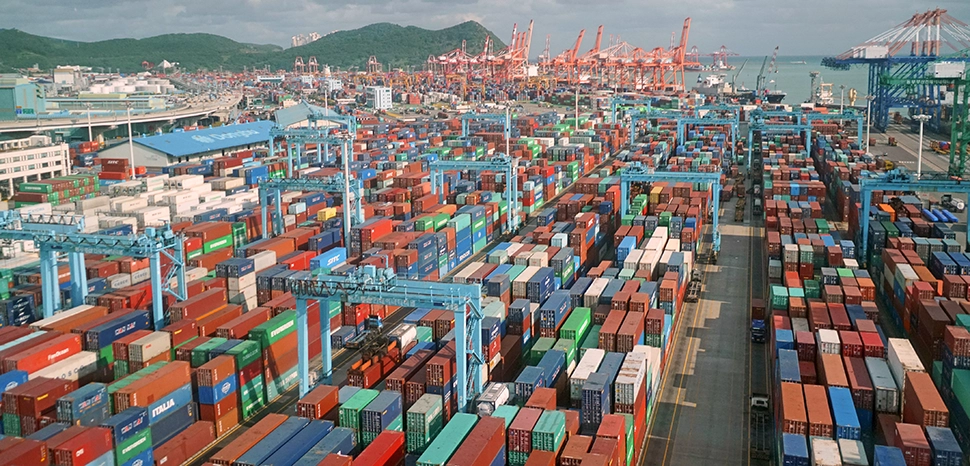
A data-based view of globalization suggests not a binary process of integration-isolation, but rather a layered network structure in which states occupy distinct positional roles in the global economy. It’s not participation that determines a state’s power, but where it’s situated in the global system.
The Iran War: Attack on Thirsty Nation
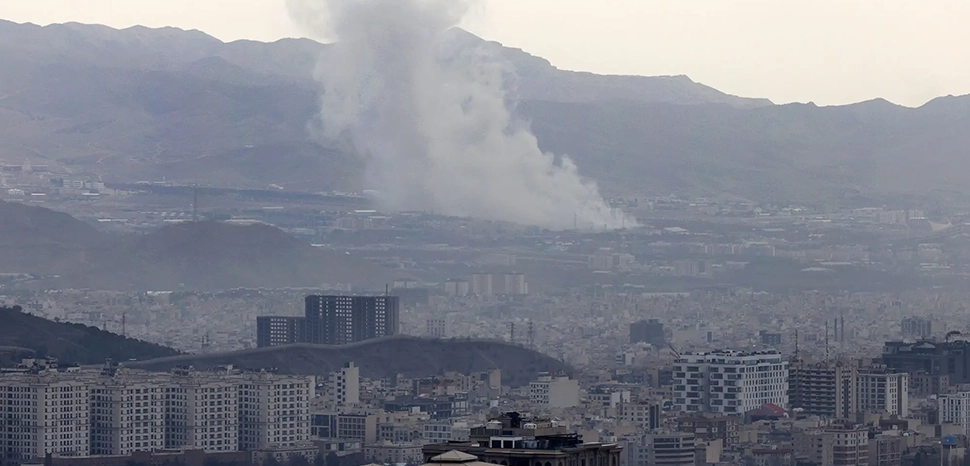
Water infrastructure has emerged as a strategic target in the Iran war, signaling a possible trend for future conflicts.
“Hormuz Safe”: Iran’s Fifth Layer of Maritime Sovereignty
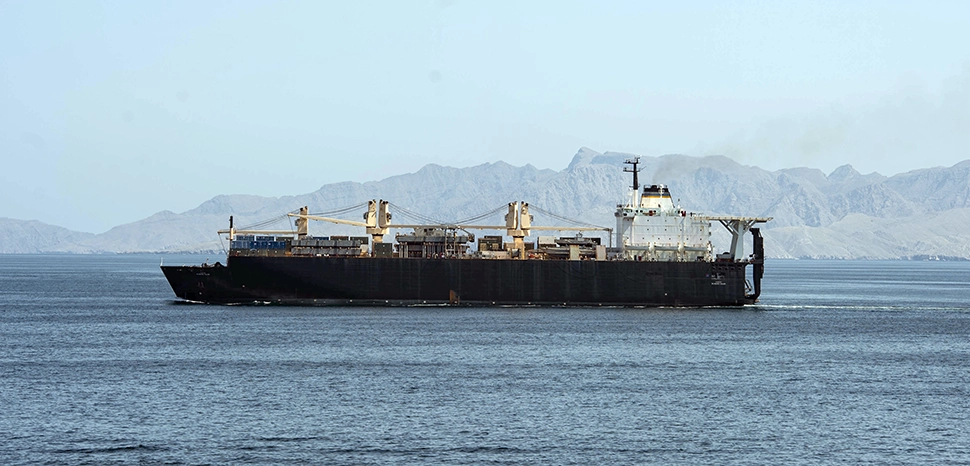
For Washington, Iran’s “Hormuz Safe” scheme is a dangerous proposition, demonstrating that a sanctioned state can build its own maritime financial infrastructure, bypassing Lloyd's, the dollar, and US sanctions simultaneously.
Escaping Southeast Asia’s Critical Minerals Trap
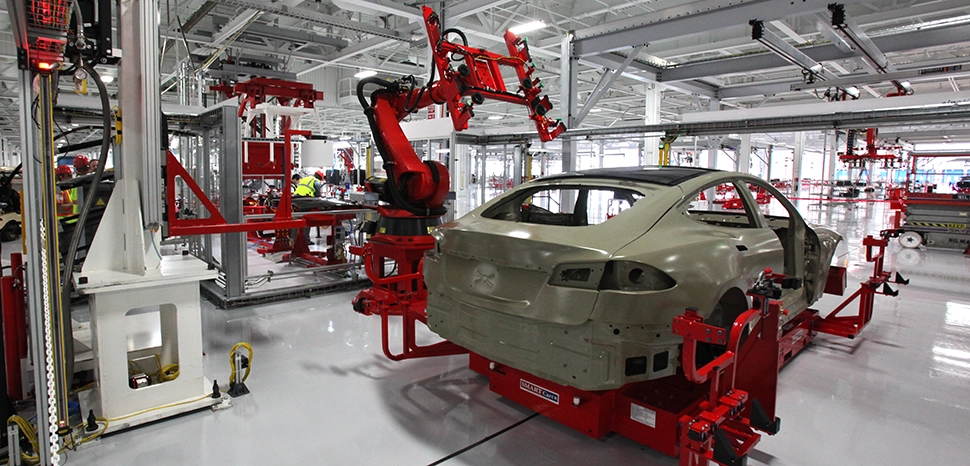
Critical minerals like nickel and tin may power the next economy, but extraction alone will not secure ASEAN’s place in it. Southeast Asia does not need to become the quarry of the energy transition. It needs to become one of its industrial architects.
Thai-Cambodian Maritime Dispute: From MOU 2001 to UNCLOS Conciliation
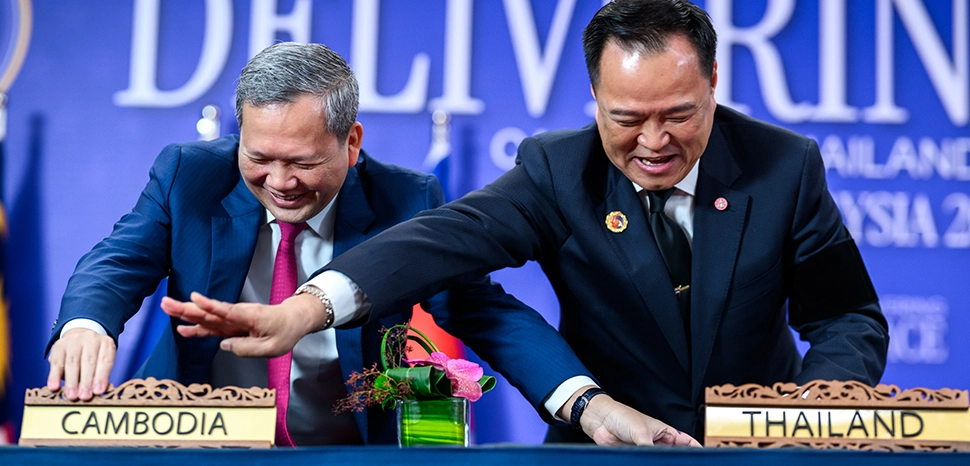
The institutional framework governing the Thai-Cambodian maritime dispute collapsed with Bangkok’s recent withdrawal from MOU 44. Here’s what the new process might look like.
DP World’s Brazil-Africa Corridor: Rise of a New South Atlantic Trade Lane?
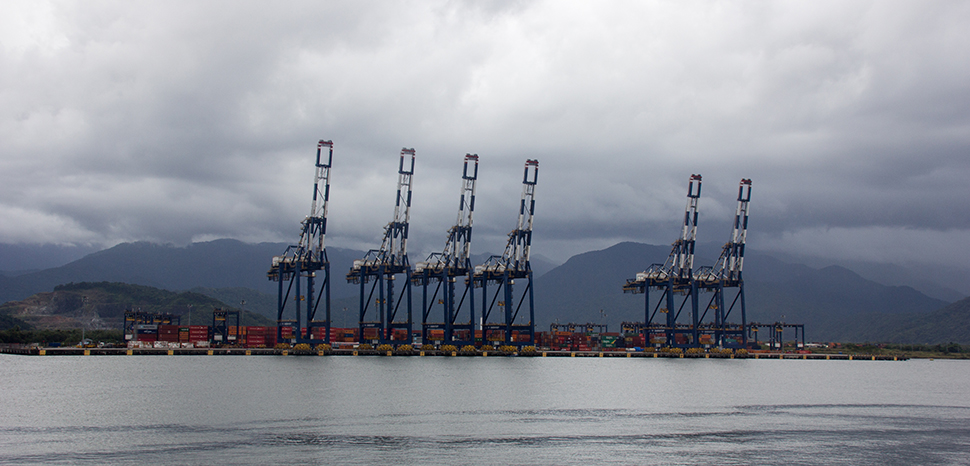
DP World’s vision of a Brazil-Africa Corridor signals the steady extension of Gulf logistics control into the South Atlantic. But the project, which would alter supply chains for food, energy, and minerals, is far from geopolitically neutral.
Iran War Ceasefire Frays, Taiwan-China South China Sea Standoff, El Niño | Geopolitics Weekly

Pressure mounts on the Iran war ceasefire; Taiwan and China face off at a disputed atoll in the South China Sea; a supercharged El Niño threatens to compound an already dire food security outlook; and the House GOP defies President Trump on the Ukraine war.
Southeast Asia’s Quiet Verdict on US Power
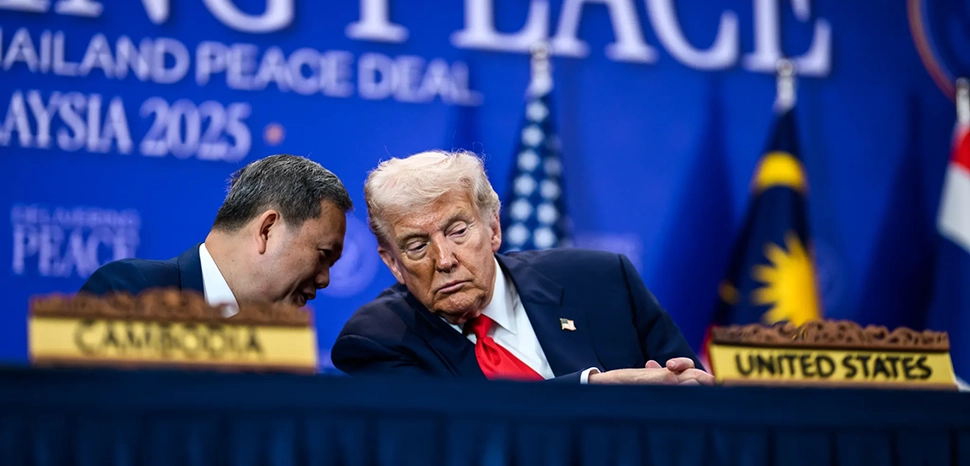
Southeast Asia is not moving towards China. It is moving away from US dependence.
The Geopolitics of Geo-Engineering: Weather Warfare vs. Climate Security

Geoengineering risks transforming the climate itself into an arena of geopolitical competition, where the atmosphere, sunlight, and weather systems become objects of strategic control.
Inflate Away the Debt? Strategic Logic and Risks of a Weak Dollar Regime

Mounting debt burdens are narrowing Washington’s fiscal space and eroding confidence in the US dollar’s reserve currency status. However, history shows that severe fiscal conditions can be reversed; and if not, the more likely outcome is a gradual erosion of confidence in USD assets, not an abrupt collapse.
Geopolitical Dimensions of Forced Labor Governance

Global labor governance is fracturing, leaving manufacturers caught between competing legal systems that, in effect, force them to choose between maintaining access to the Chinese input networks or Western markets.
Lessons Forgotten: Critical Minerals and Partisan Ideology in the U.S.

Administrations from both sides of the aisle have left US critical minerals supply chains highly vulnerable amid a return to great power politics. But stockpiling initiatives like ‘Project Vault’ suggest that Washington is beginning to remember the old truism that economics and geopolitics are inseparable.
From Crisis to Opportunity: How China Quietly Gains from the Iran War

The Iran war is opening strategic avenues for China to strengthen its international and domestic position in a disrupted world order.
The Unfinished Family Feud: Constitutional “One China” and Cross-Strait Ambiguity

Examining the evolution of constitutional “One China” framework, which endures because it accommodates contradictions between Beijing and Taipei without forcing either side to concede – managing tensions while never fully resolving them.
Uranium Industry Emerges as Strategic Bridge between India and Central Asia
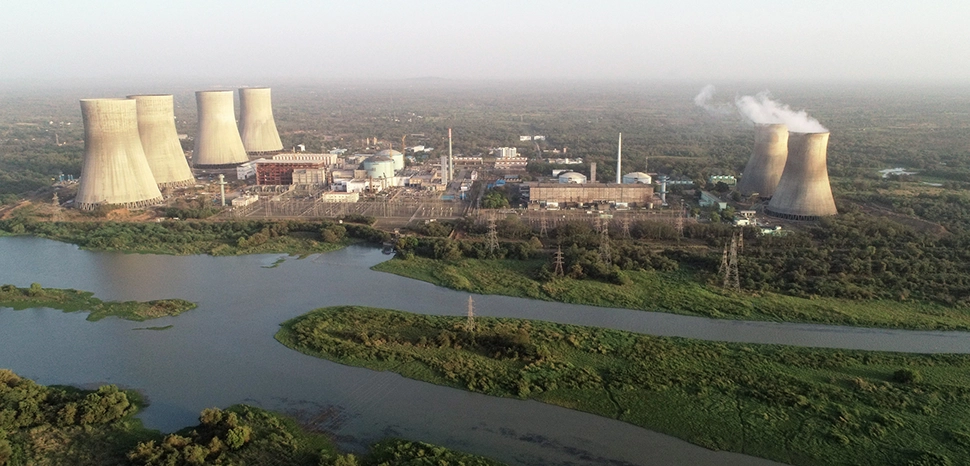
The 4 billion USD Kazatomprom-India uranium contract and the SHANTI Act 2025 are recasting India's foothold in Central Asia.
A Eurasian Pact Takes Shape Amid the Ruins of the Old Order
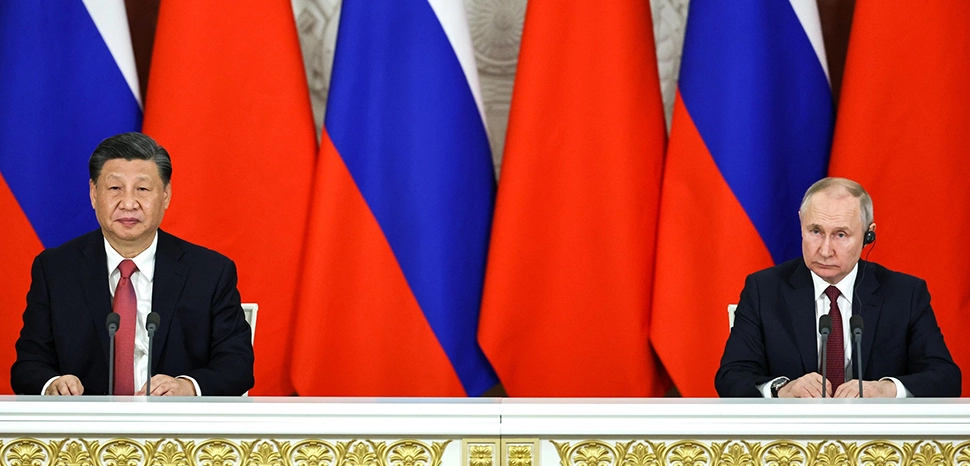
Deepening convergence between China and Russia is beginning to resemble a paradigm shift in global order — not yet a formal alliance, but something potentially more consequential: the gradual construction of a Eurasian strategic sphere designed to outlast American primacy.