
Dawn of AI Geopolitics: Regulation, Norms, and Power Beyond Hardware

States are over-securitizing inputs and under-governing outputs, leaving the most consequential domains of AI power largely unregulated and open to capture.
India’s Mediterranean Signal Forces Ankara to Recalculate
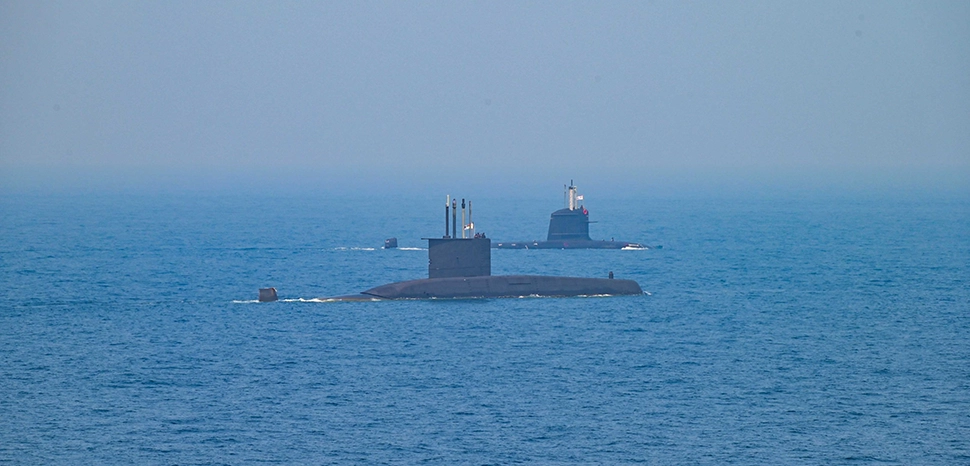
India’s deepening engagement in the Mediterranean demonstrates the birth of a uniquely 21st-century kind of statecraft: deterrence by association.
Escaping Southeast Asia’s Critical Minerals Trap
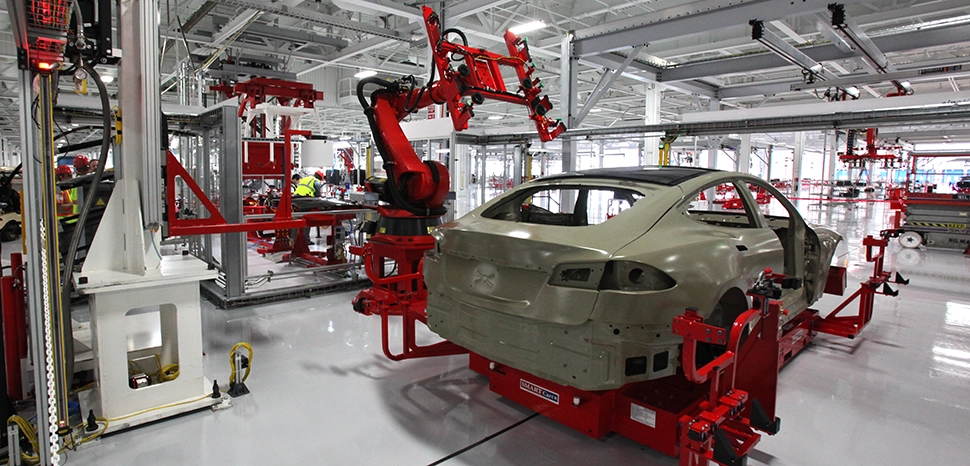
Critical minerals like nickel and tin may power the next economy, but extraction alone will not secure ASEAN’s place in it. Southeast Asia does not need to become the quarry of the energy transition. It needs to become one of its industrial architects.
Uneven Playing Field: Mexico, Iran, and the Geopolitics of the World Cup
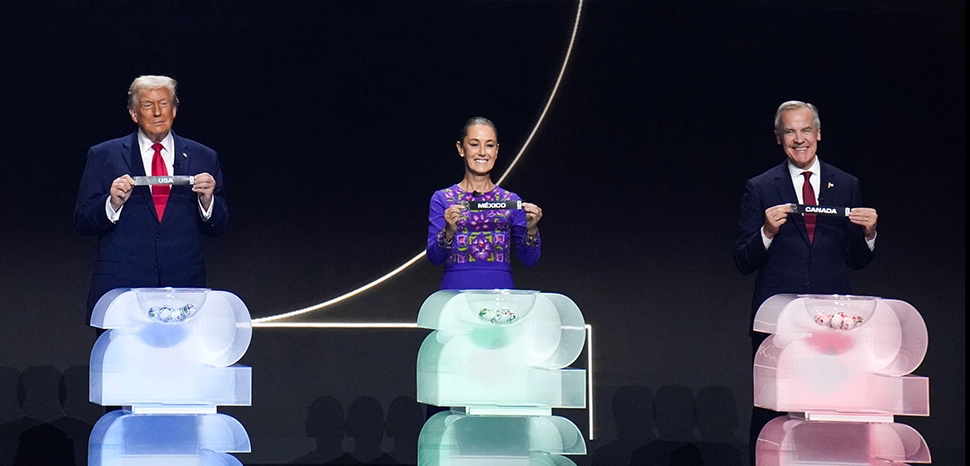
The World Cup has afforded space for Mexico’s President Sheinbaum to play a constructive role in defusing Middle East tensions, but asymmetric realities will make it hard to repeat the trick on Cuba or the cartels.
Southeast Asia’s Quiet Verdict on US Power
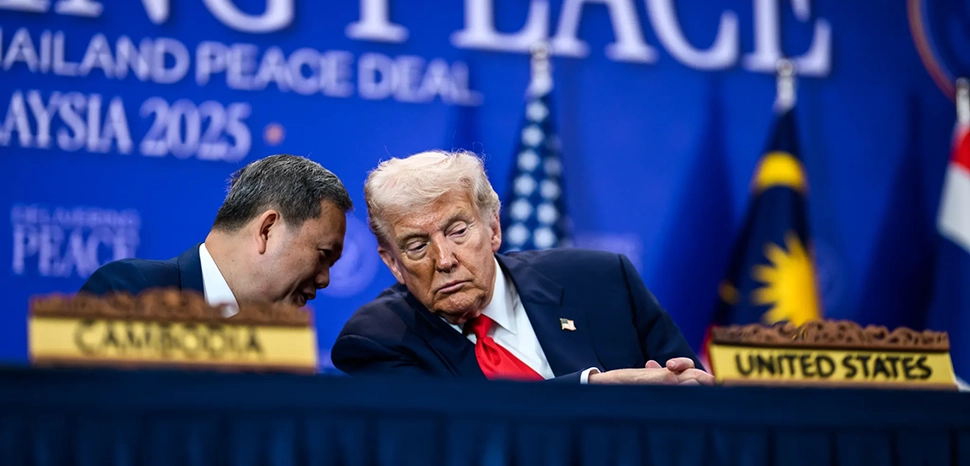
Southeast Asia is not moving towards China. It is moving away from US dependence.
Lessons Forgotten: Critical Minerals and Partisan Ideology in the U.S.

Administrations from both sides of the aisle have left US critical minerals supply chains highly vulnerable amid a return to great power politics. But stockpiling initiatives like ‘Project Vault’ suggest that Washington is beginning to remember the old truism that economics and geopolitics are inseparable.
A Eurasian Pact Takes Shape Amid the Ruins of the Old Order
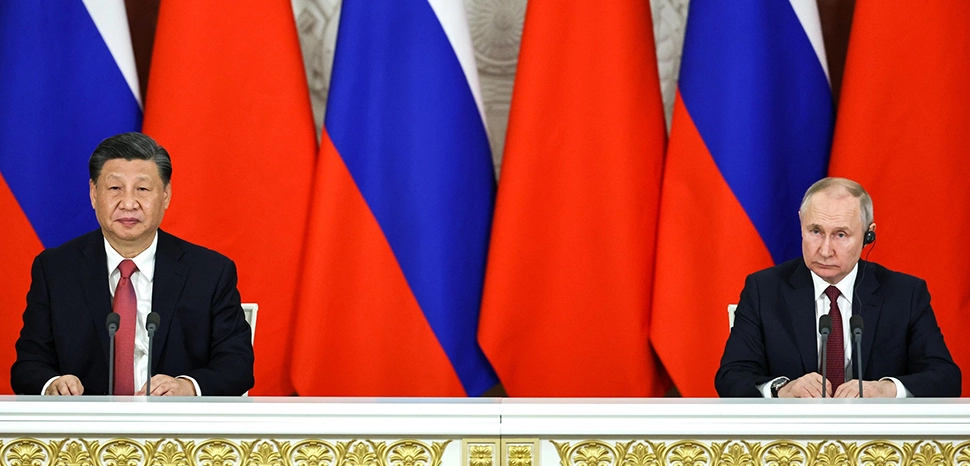
Deepening convergence between China and Russia is beginning to resemble a paradigm shift in global order — not yet a formal alliance, but something potentially more consequential: the gradual construction of a Eurasian strategic sphere designed to outlast American primacy.
Geological Maps: Key to Securing Critical Minerals Supply Chains

Geological mapping remains a dangerously neglected block in building Western critical mineral supply chains, hobbling the West’s ability to compete in crucial emerging markets. The USGS has the power to change that.
A Fine Balance: Dependence and Autonomy in US Alliances
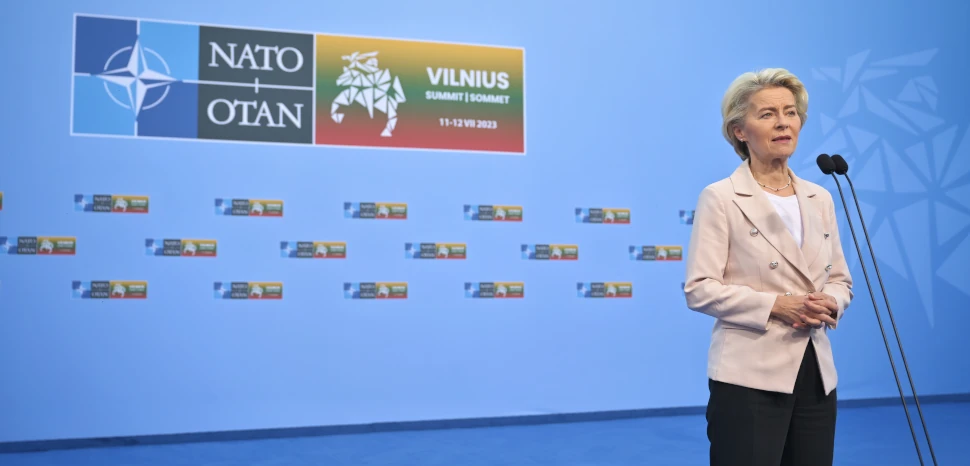
Alliances are not neutral, and bases are not passive infrastructure. They are instruments of strategy. The sooner that policy reflects this, the more resilient alliances will be when the next crisis hits.
Cebu’s Wake Up Call for ASEAN’s Energy Future

The Iran war is resurrecting old initiatives for bolder cooperation on energy and food security within ASEAN, but with them comes the now familiar friction between geopolitical alignment and collective decision-making.
On The Baltic Way and Discovering History in Latvia

A trip to Latvia reveals how the Baltics still have much to tell Europe regarding defense spending, technological advancement, strategic autonomy, and relations with Russia.
The Global Water Governance Gap Is Becoming Untenable

Water is no longer a local or technical issue. It is a question of global stability, and the world's institutions need to start treating it as one.
The Tide Is Turning in Ukraine

Faced with mounting battlefield stagnation, economic pressure, and technological adaptation, time is increasingly not on Russia’s side.
The Strait of Malacca Is Malaysia’s Industrial Spine

Malacca doesn’t just provide Malaysia with geographic relevance. It also represents industrial opportunity, but only if Kuala Lumpur moves to take advantage of it.
Indonesia’s ‘Observer Inflation’ Isn’t the Crisis; Household Inflation Is

The 'inflation' that matters most in Indonesia today is not found in commentary or critique. It is found in hospital bills, school fees, rent payments, and grocery receipts.
India’s Gulf Calculus: Can Chabahar Port Anchor a Strategic Role?

India must insert itself into the fray of the Iran war before the diplomatic space is occupied by others, and leveraging the economics of Chabahar port and the INSTC is the best way to do it.
Iran Has Become Incompatible with Gulf Security

The most important outcome of this war is not the ceasefire; it is the emergence of a new regional baseline where Iran is no longer viewed as a manageable competitor but a persistent threat actor that must be contained.
Iran’s Militarization Reflects Fear at Home, Not Just Threats Abroad

The growing visibility of the IRGC does not signal a clean transfer of power from clerics to generals. Rather, it reflects the Iranian regime’s increasing dependence on coercive institutions as other sources of authority weaken.
Operating in the Gulf Now Means Operating in Geopolitics

The Iran war has pushed the Gulf into a different category of risk, one in which commercial exposure can no longer be cleanly separated from geopolitical conflict.
Indonesia Is Accepting Strategic Risk Because It Has No Choice

Indonesia’s tradition of non-alignment is being tested by a sweeping new agreement with the United States. The plight is not exceptional and is increasingly familiar among middle powers looking to balance prosperity, security, and autonomy in an era of great power competition.