
Forged in War: The Evolution of Ukraine’s Air Defenses
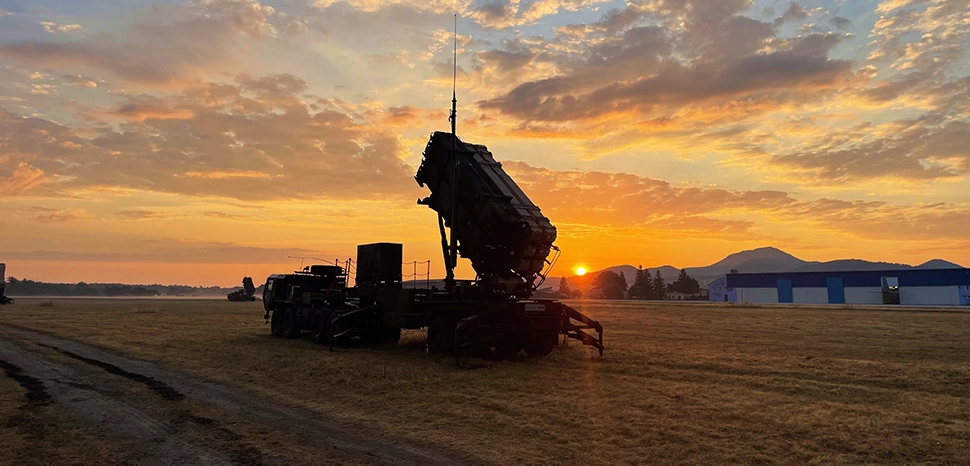
Since the outbreak of the war, Ukraine has assembled the most combat-tested air defense network in the world, drawing important lessons for future conflicts.
Copper Squeeze Threatens US AI Buildout

Copper is a key input for the data centers fueling the AI boom, and copper supply chains are riddled with geopolitical and capital risks. Strong investment will be needed to get ahead of the coming copper squeeze, and the clock is already ticking.
IMEC Corridor Seeks Reboot after Hormuz Stress Test
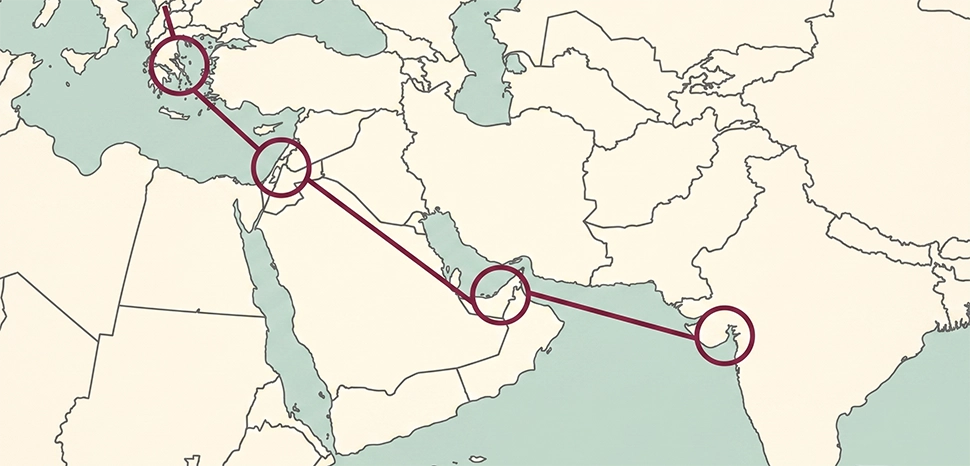
The US-backed IMEC corridor sought to bolster resilience against the weaponization of chokepoints. Yet the Iran war closed the very waters the transport corridor relies on, and this is now forcing a rethink on future routes.
Anthropic’s Fable Debacle and the Perils of Dual-use AI Technologies

The debacle surrounding the launch of Fable by Anthropic is only the tip of the iceberg of dual-use AI. If effective safeguards are not established, the AI arms race ensures that dangerous models will fall into the hands of bad actors.
2026 Gibraltar Agreement: Can Spain Erode British Sovereignty?
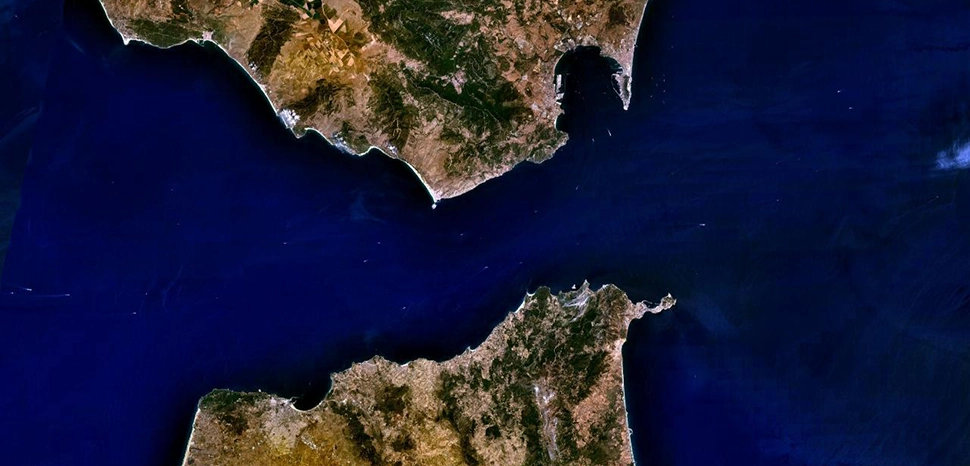
The UK and Spain celebrate the deal as a historic pact, yet the dispute over Gibraltar sovereignty persists.
Network over Structure: Moving Beyond Globalization’s Integration-Isolation Binary
A data-based view of globalization suggests not a binary process of integration-isolation, but rather a layered network structure in which states occupy distinct positional roles in the global economy. It’s not participation that determines a state’s power, but where it’s situated in the global system.
Critical Minerals: Global Tellurium Supply and Demand

Tellurium represents a critical minerals paradox. On one hand, it accounts for a relatively small global market and tends to be understated in quantitative risk modeling. On the other, it remains a critical input in solar and defense supply chains and is subject to export restrictions from China, which remains the dominant force in global tellurium production.
The Iran War: Attack on Thirsty Nation
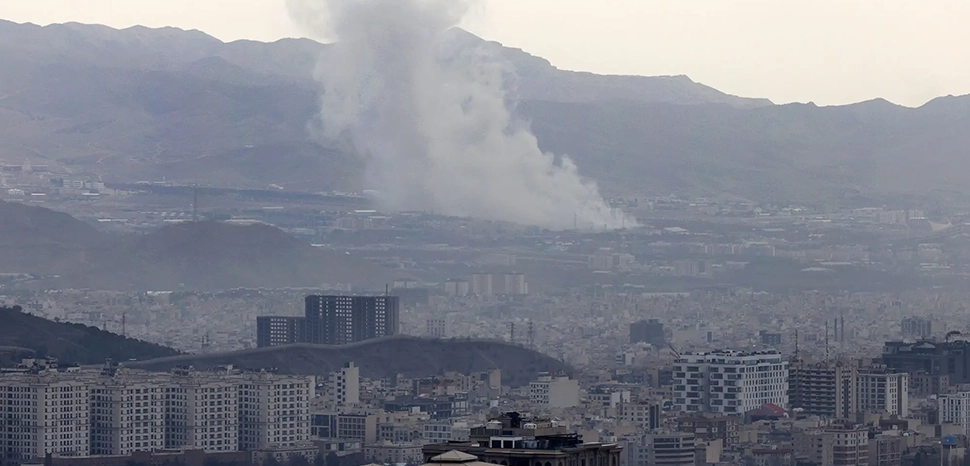
Water infrastructure has emerged as a strategic target in the Iran war, signaling a possible trend for future conflicts.
What Iran’s Latest Strike Reveals About Its Evolving Deterrence Strategy
![The following sources identify the missiles in this photo as Shahab-1 missiles: [1] [2]. The Shahab-1 is a short-range ballistic missile (MRBM) developed by Iran. Shahab-1 in Great Prophet military exercise; cc Hossein Velayati, modified, https://commons.wikimedia.org/wiki/File:Shahab-1_Missile_by_YPA.IR_02.jpg](https://www.geopoliticalmonitor.com/wp-content/uploads/2026/06/Shahab-1_Missile_by_YPA.IR_02.webp "The following sources identify the missiles in this photo as Shahab-1 missiles: [1] [2]. The Shahab-1 is a short-range ballistic missile (MRBM) developed by Iran. Shahab-1 in Great Prophet military exercise; cc Hossein Velayati, modified, https://commons.wikimedia.org/wiki/File:Shahab-1_Missile_by_YPA.IR_02.jpg")
New strikes on Israel show how the line between attacks on Iran and attacks on Iran’s strategic ecosystem is becoming blurred, resulting in new risks, new calculations, and a more complex regional security environment going forward.
“Hormuz Safe”: Iran’s Fifth Layer of Maritime Sovereignty
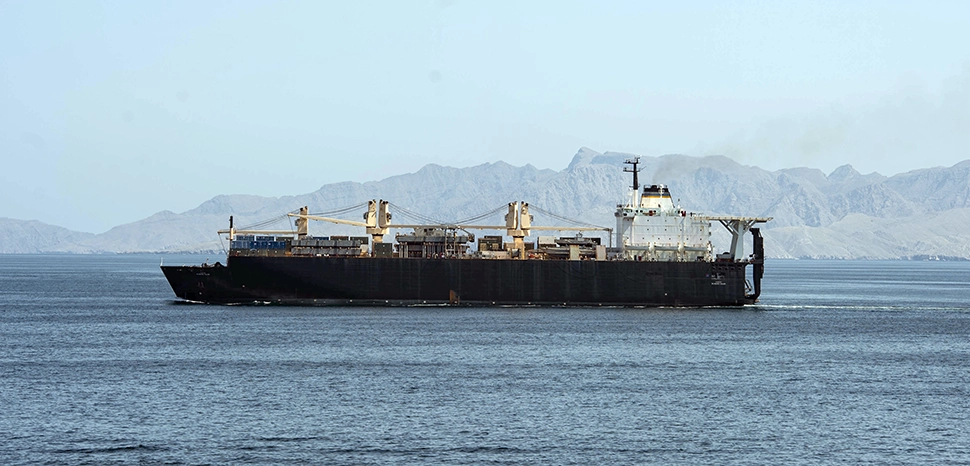
For Washington, Iran’s “Hormuz Safe” scheme is a dangerous proposition, demonstrating that a sanctioned state can build its own maritime financial infrastructure, bypassing Lloyd's, the dollar, and US sanctions simultaneously.
Thai-Cambodian Maritime Dispute: From MOU 2001 to UNCLOS Conciliation
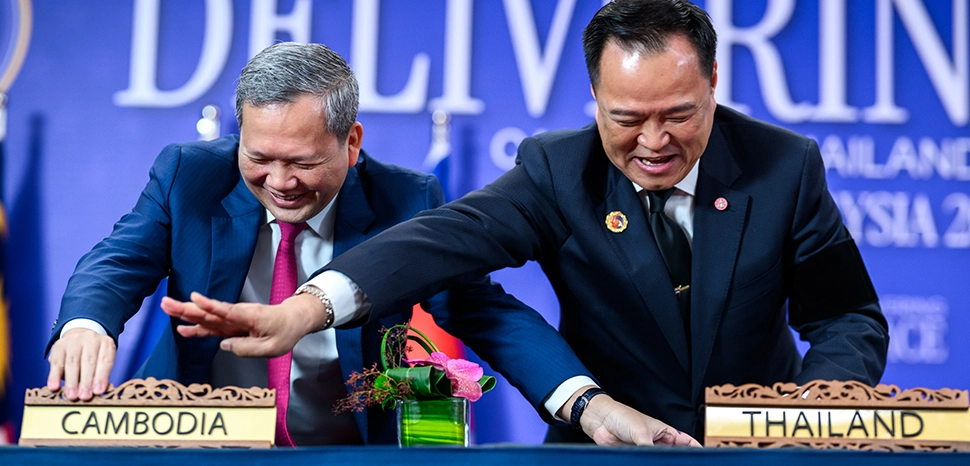
The institutional framework governing the Thai-Cambodian maritime dispute collapsed with Bangkok’s recent withdrawal from MOU 44. Here’s what the new process might look like.
DP World’s Brazil-Africa Corridor: Rise of a New South Atlantic Trade Lane?
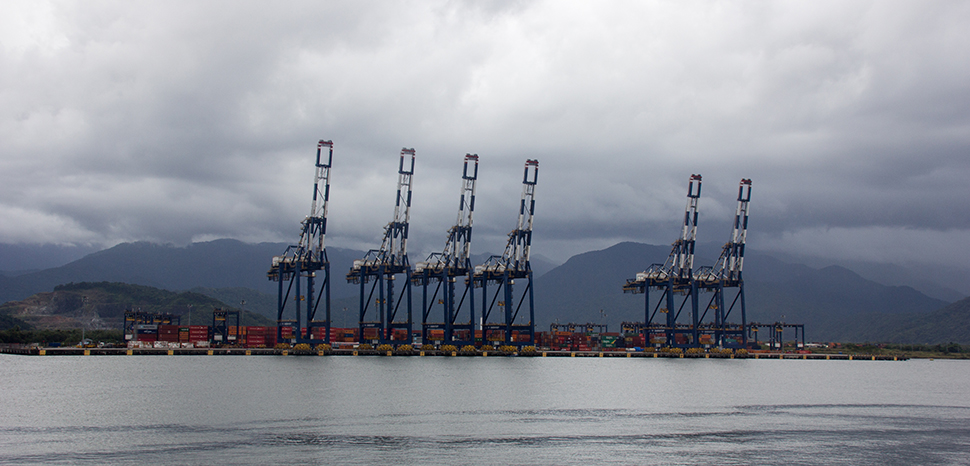
DP World’s vision of a Brazil-Africa Corridor signals the steady extension of Gulf logistics control into the South Atlantic. But the project, which would alter supply chains for food, energy, and minerals, is far from geopolitically neutral.
Geopolitical Orientation on the Ballot in Armenia Elections
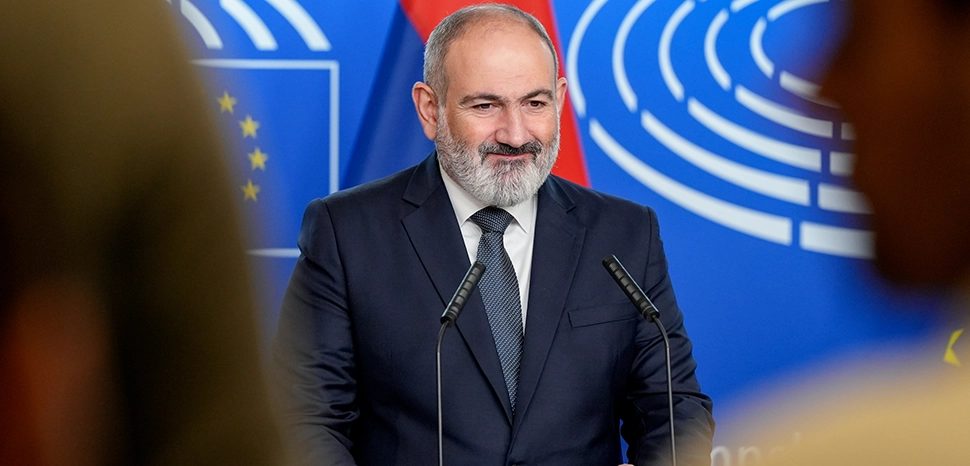
Armenians head to the polls on June 7. The election outcome will affect not just domestic governance, but Armenia’s geopolitical orientation going forward, with consequences for the peace process with Azerbaijan and wider stability across the South Caucasus.
Washington Risks Repeating Israel’s Strategic Mistake in the War of Attrition
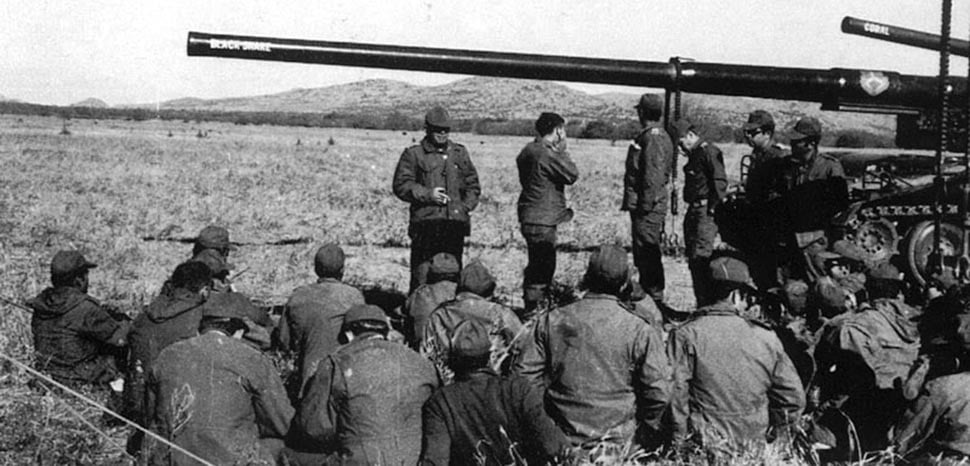
The risk faced by the United States in the Strait of Hormuz mirrors Israel’s War of Attrition against Egypt: What presents as a contained skirmish may actually be setting the stage for a future regional war.
Washington’s New Terrorist Designations Risks Derailing US-Brazil Relations
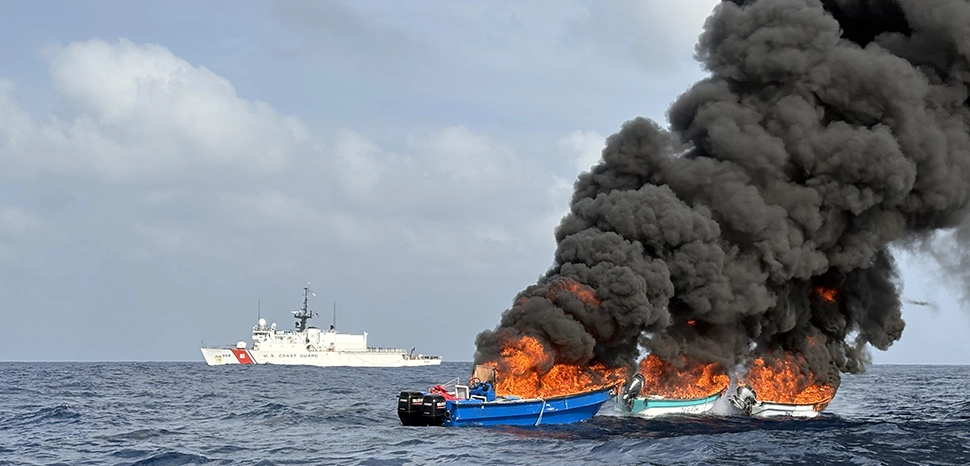
A US terrorist designation of two major Brazilian organized crime outfits is not a matter of law enforcement - it’s a geopolitical weapon, speak nothing of a compliance nightmare for regional banks, and it will reverberate across US-Brazilian relations for years to come.
Geopolitical Dimensions of Forced Labor Governance

Global labor governance is fracturing, leaving manufacturers caught between competing legal systems that, in effect, force them to choose between maintaining access to the Chinese input networks or Western markets.
From Crisis to Opportunity: How China Quietly Gains from the Iran War

The Iran war is opening strategic avenues for China to strengthen its international and domestic position in a disrupted world order.
Uranium Industry Emerges as Strategic Bridge between India and Central Asia
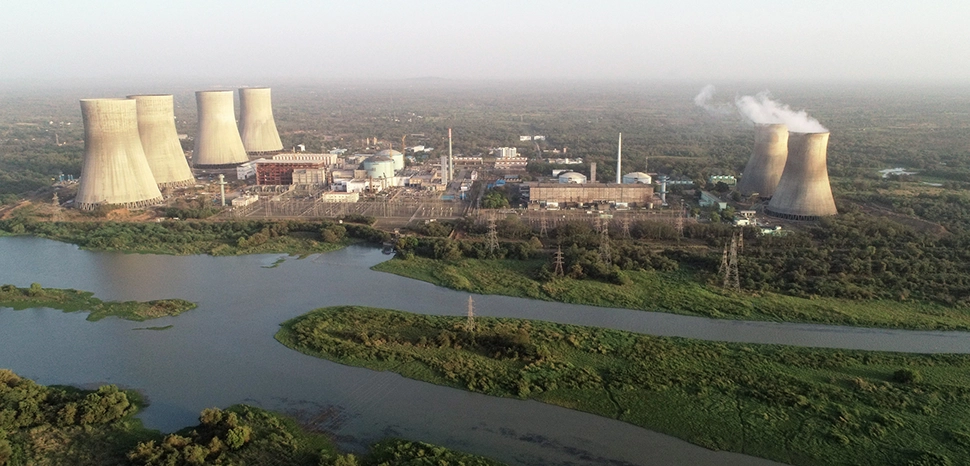
The 4 billion USD Kazatomprom-India uranium contract and the SHANTI Act 2025 are recasting India's foothold in Central Asia.
Bringing the Bullion Back: Geopolitics Returns to Global Gold Markets

The New York Fed’s vault remains the largest sovereign gold repository in the world, but recent withdrawals suggest that geopolitical considerations are increasingly tilting the balance toward domestic storage, even among longstanding US allies.
Are Drones Solution to EU Deep Strike Capability Gap?

EU governments are racing to develop drone warfare capabilities with the help of Ukraine. These efforts will help boost European strategic autonomy in the short term, but from a deterrence standpoint, drones are only half the answer.