After three months of accusations, polemics, and threats, the Afghan political crisis is finally over.
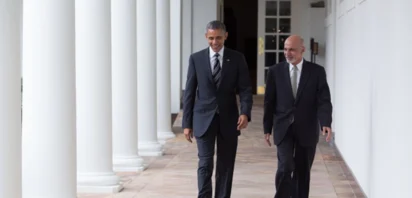
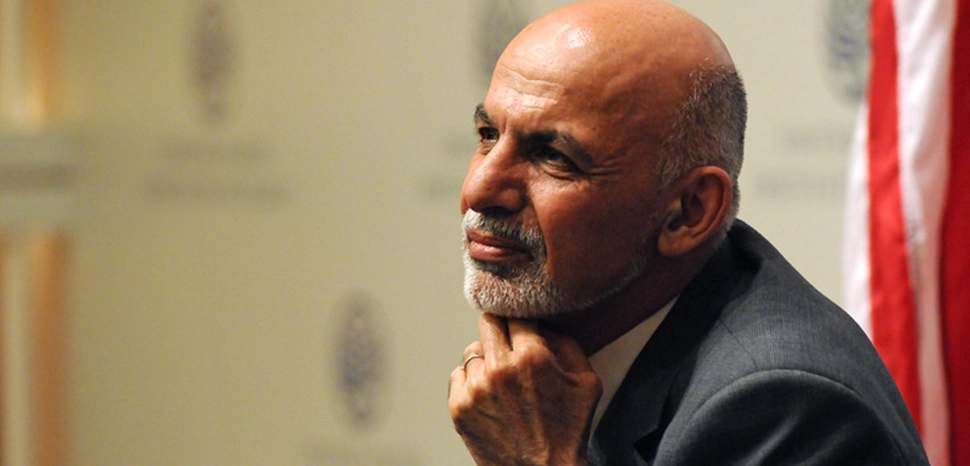
Ashraf Ghani, a World Bank economist and former finance minister, was sworn in as Afghanistan’s prime minister on Monday after three long months of political deadlock. His electoral rival Abdullah Abdullah was sworn in moments later as chief executive, a position with powers roughly comparable to those of the prime minister.
The position did not exist a month ago and it owes its creation to the sense of desperation that gripped UK and US negotiators, causing them to table a deal that sacrifices the country’s future stability in exchange for short-term calm.
Political Outlook
On the surface it appears that the Ghani-Abdullah deal helped Afghanistan and its NATO allies dodge a bullet, but for the true impact of recent developments one must dig a little deeper – and the results are not at all encouraging.
June elections proved beyond the shadow of a doubt that Afghanistan’s democracy is still dysfunctional and thus extremely fragile. For one there was the high level of corruption and vote-rigging in the polls. Just some such incidents include individuals casting multiple ballots, physical intimidation of monitors, and ballot-box stuffing. It appears that Prime Minister Ghani was the primary beneficiary of the fraud, though there were many cases where the rigging favored Abdullah Abdullah as well.
It appears that the electoral fraud was not orchestrated by partisan warlords, as was the case during the disputed 2009 election, but rather by Karzai-backed officials in the Independent Election Commission. The polls were essentially bought and sold behind closed doors in the capital of Kabul.