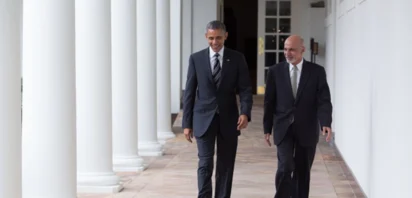
On February 27, the United Nations issued its periodic report entitled “the situation in Afghanistan and its implications for international peace and security.” The report recounts the election crisis that gripped the country last year, and the “hybrid government” compromise between President Ghani and “Chief Executive Officer” Abdullah that ended it. More importantly, the report examines the ongoing security situation in the country, and in doing so paints a grim picture.
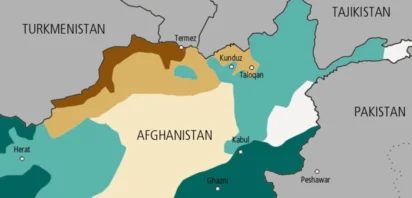
There were 22,051 incidents that impacted the work, mobility, or safety of UN workers and those engaged in UN programs in 2014 – up 10% from 2013. The majority of these incidents (68%) took place in the south of the country (see Geopoliticalmonitor.com’s ethnic distribution map). On a positive note, the report points out that there have been several examples of highly effective operations mounted by the Afghan National Security Forces, particularly in regards to taking back insurgent-held territory in the lead-up to elections last year. But the rising tide of incidents on a whole still saps the resources and morale of government forces.
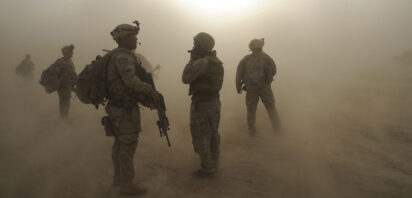
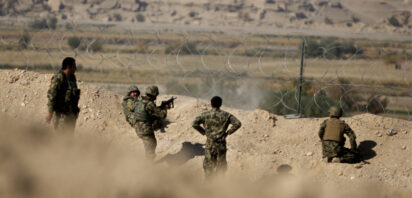
Between November 16 2014 and February 15 2015, 5,075 security-related incidents were recorded across the country – a 10% increase from 2013/2014 and a 33% increase from 2012/2013. These numbers are disturbing not just for the year-on-year trend line that sees violence on the ascent, but also because this increase is occurring against the backdrop of major government operations to clear insurgent strongholds in Kunduz, Hilmand, Kandahar, Nangarhar, and Herat provinces. It appears that although security forces are well-trained and equipped enough to pull off these large-scale military operations, the government lacks the resources and mandate needed to ‘win the peace.’ Without an effective way of pacifying these areas and convincing local populations to buy into the post-war order in Kabul, stability will remain elusive in the Afghan hinterlands.