
Nuclear Nonproliferation News & Analysis
Is ‘North Koreanization’ the Only Logical Move Left for Iran?

If the Iranian regime survives, what comes next is not a choice between proxies and nukes. It is the recognition that nukes are now the only rational security option.
Poland: Pathways to Effective and Credible Deterrence

A recent summit at Gdansk furthers Warsaw’s quest for credible deterrence while demonstrating the sort of intra-European industrial cooperation that will be needed if the continent is to ever achieve credible strategic autonomy.
Strategic Dependence and Regional Risk: Türkiye’s Akkuyu Nuclear Project

Türkiye’s Akkuyu nuclear power plant reinforces an emerging reality in the Eastern Mediterranean and surroundings: critical infrastructure projects are no longer neutral economic assets, and the struggle for energy independence comes layered with new vectors of external vulnerability.
After the Fire: Hiroshima, Nagasaki, and a World That Still Pretends to Be Safe
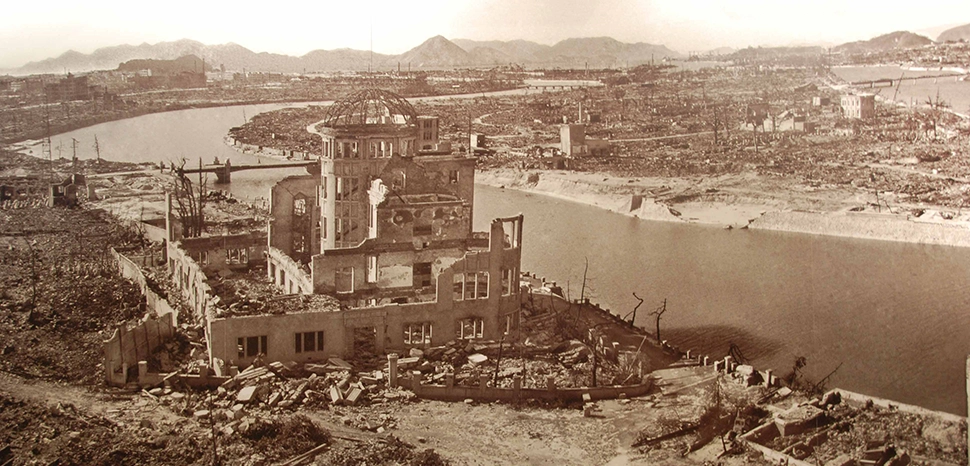
Preserving the memory of Hiroshima and Nagasaki is not about ceremonial remembrance alone; it is about anchoring contemporary policy in the concrete realities of human suffering, systemic breakdown, and climate vulnerability.
To Stabilize Korean Peninsula, Look to Nuclear Lessons of the Cold War
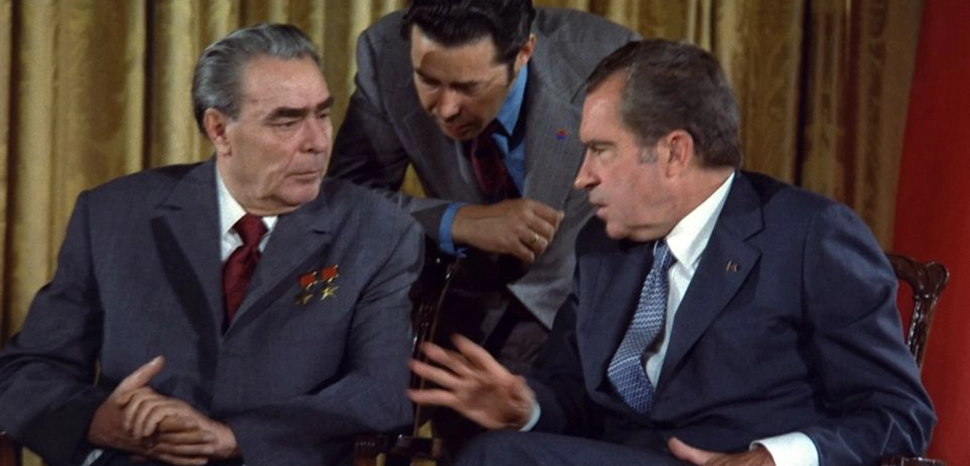
By applying insights from the height of Cold War nuclear competition – prioritizing survivability, ambiguity management, and alliance institutionalization—South Korea can build a deterrence structure capable of stabilizing the Korean Peninsula, even as North Korea expands its nuclear arsenal.
Russia’s RS-28 “Sarmat”: A Trump Card That Stays in the Sleeve

Messaging surrounding Russia’s latest failed test launch of its RS-28 “Sarmat” suggests that this ‘peerless’ next-generation ICBM is more propaganda tool than strategic gamechanger.
Strategic Ambiguity: Israel’s Nuclear Program and Begin Doctrine

Examining how Israel’s nuclear program came to be shrouded in secrecy, and what strategic ambiguity means in the present geopolitical context.
“Paris for Berlin” Is Better: A Case for Strengthening Europe’s Nuclear Deterrence

The “New York-for-Paris” dilemma won’t be going away, but it can be mitigated by a “Paris-for-Berlin” approach, which is more credible due to geographic proximity and a shared European identity.
The New York-for-Paris Dilemma Isn’t Solved by a European Nuclear Arsenal

The European drive to develop a homegrown nuclear deterrent capacity neither resolves the ‘New York-for-Paris’ dilemma nor offers a viable alternative.
How Israel Could Strike Iran’s Fordow Nuclear Facility
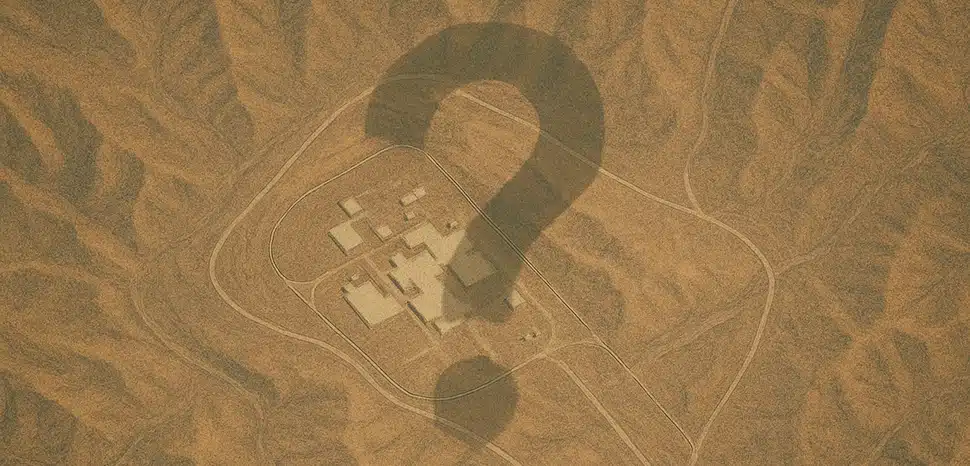
The destruction of Iran’s buried uranium enrichment facility at Fordow is central to Israel’s war plans. But success won’t come easy, nor will it last very long.
The US-Ukraine Critical Minerals Deal Breaches the Budapest Memorandum
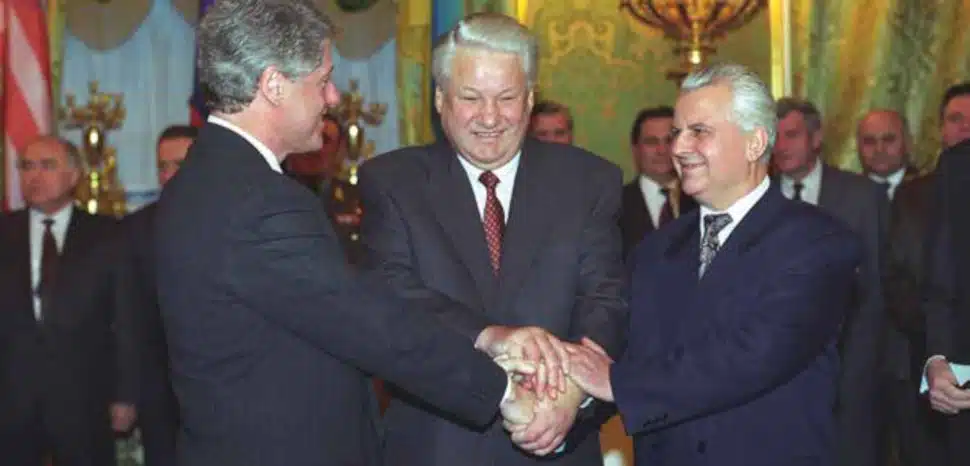
In engaging in the kind of economic coercion explicitly forbidden by the Budapest Memorandum, the Trump administration has undermined decades of nonproliferation efforts, eroded US diplomatic credibility, and set a precedent that weakens the power of any future US assurance.
The Secret History of South Korea’s Nuclear Weapons Program

South Korea attempted to develop a domestic nuclear weapons program in the 1970s, and for reasons that remain highly relevant in contemporary geopolitics.
India’s INS Arighaat: A Credible Deterrence?

The INS Arighaat, the Indian Navy’s latest nuclear submarine, is a step toward creating a credible multifaceted nuclear deterrence, but there’s still work to do.
Backgrounder: 2024 Russia-DPRK Pact

The Russia-DPRK pact falls short of being a geopolitical game-changer, but it is reflective of an evolving Asia-Pacific security framework.
A Call for Nuclear Deterrence in Europe

European attitudes toward nuclear deterrence are changing in the wake of the Ukraine war.
Does Uzbekistan Need a Nuclear Power Plant?
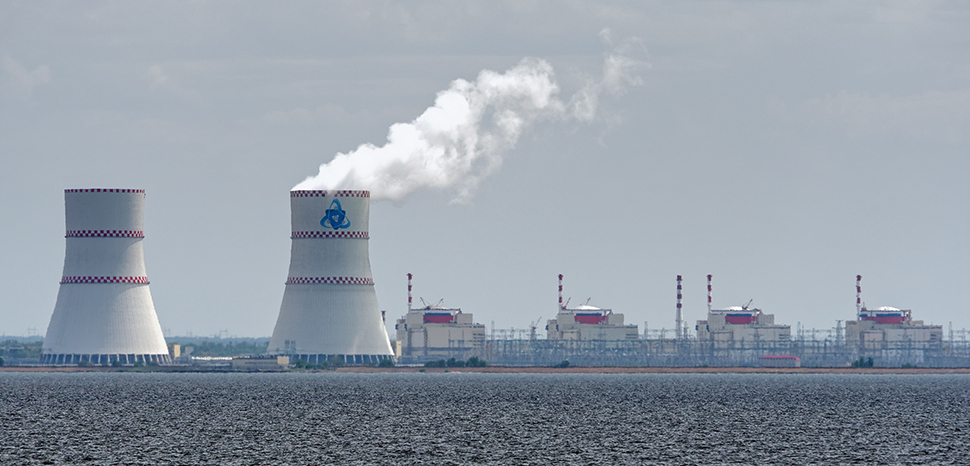
Nuclear power can be helpful, and already is, but it is not always the preferred choice.
North Korea’s Nuclear Coercion as Diplomatic Statecraft
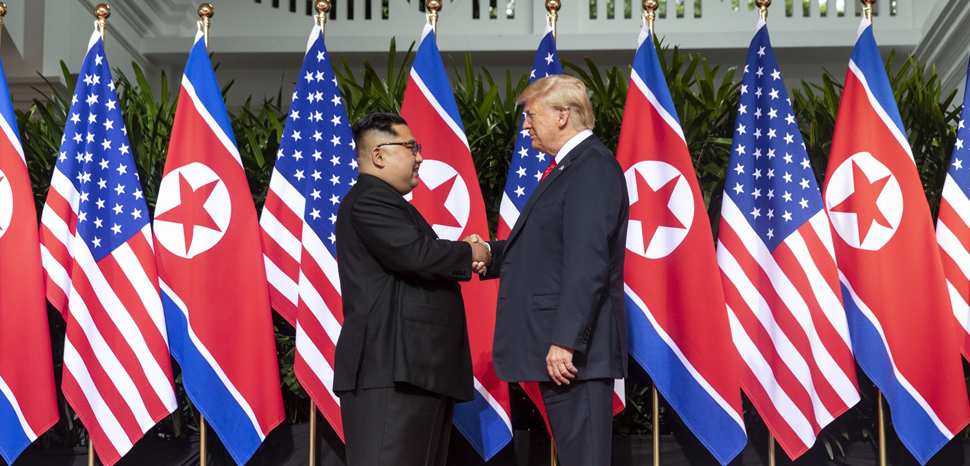
Calls in the United States to reassess strategic patience reflect major advances in North Korea’s nuclear diplomacy.
NATO Nuclear Sharing: Why it Still Matters
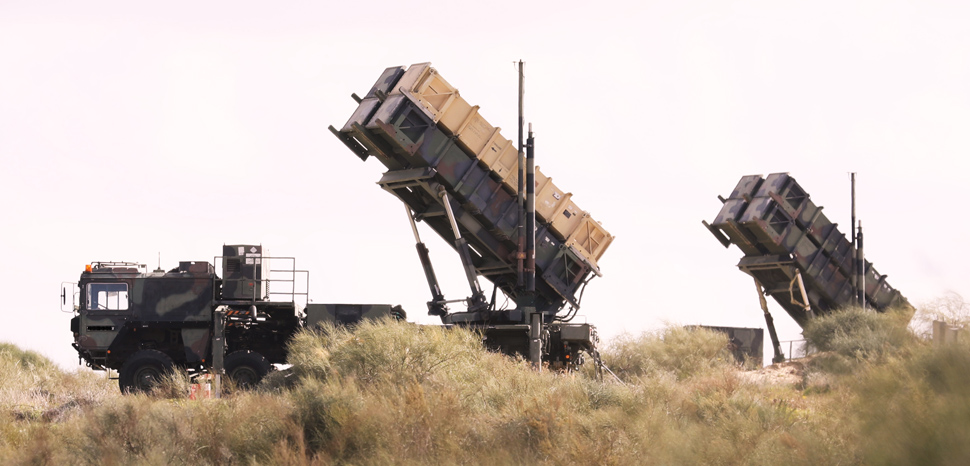
Despite geopolitical landscape changes, one strategic dictum endures: the best way to avoid war is to increase its potential costs.
Trump Iran Nuclear Deal Pullout: What Does It Mean for European Business?

Iran nuclear deal stakeholders are scrambling to evade or circumvent looming US sanctions, but there’s one major hurdle they must clear: the US financial system.
North Korea Nuclear Test Site Collapses, Risking Fallout
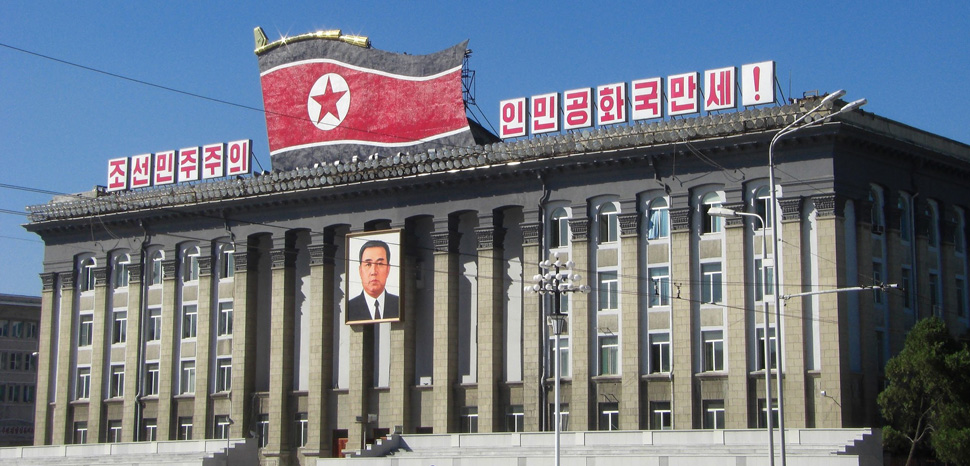
North Korea leader Kim Jong-un garnered universal praise when he announced a halt of nuclear tests. It turns out he never had a choice in the matter.