
Geopolitical Orientation on the Ballot in Armenia Elections
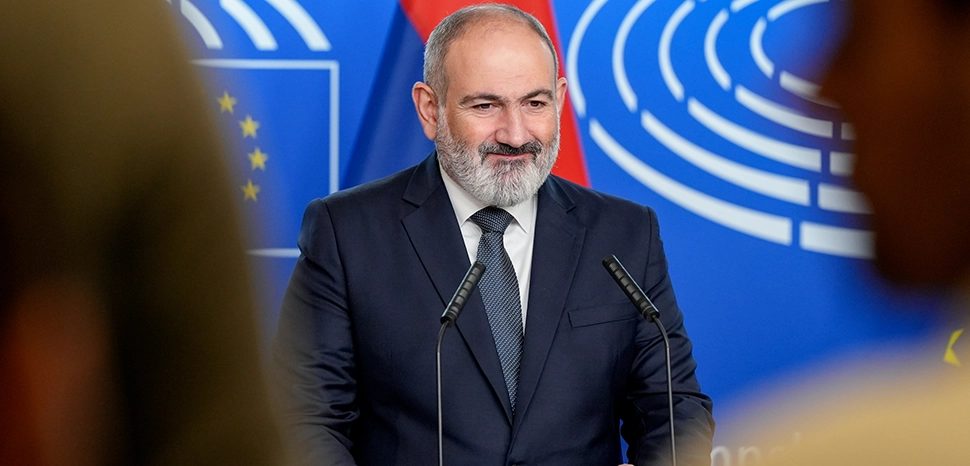
Armenians head to the polls on June 7. The election outcome will affect not just domestic governance, but Armenia’s geopolitical orientation going forward, with consequences for the peace process with Azerbaijan and wider stability across the South Caucasus.
Southeast Asia’s Quiet Verdict on US Power
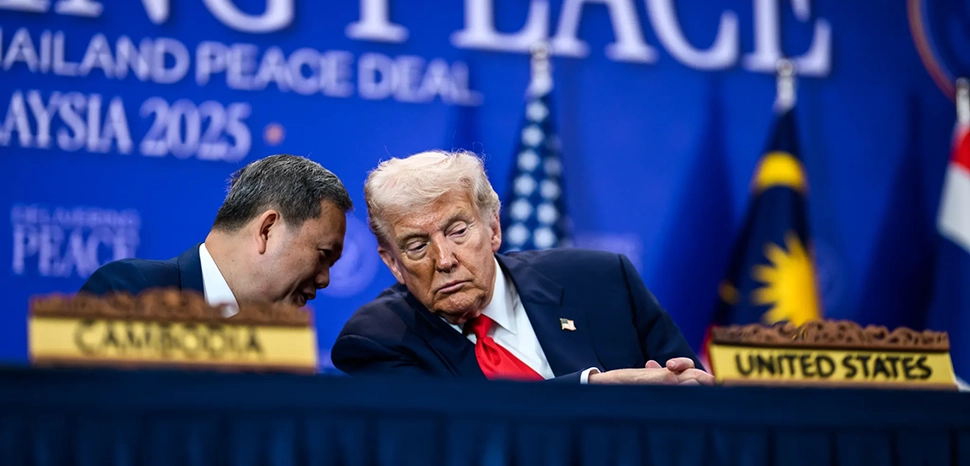
Southeast Asia is not moving towards China. It is moving away from US dependence.
Geopolitical Dimensions of Forced Labor Governance

Global labor governance is fracturing, leaving manufacturers caught between competing legal systems that, in effect, force them to choose between maintaining access to the Chinese input networks or Western markets.
Geopolitics Weekly (Iran War Deal, DRC Ebola Outbreak, Quad Revived)

Examining the latest diplomatic efforts to hammer out a framework deal in the Iran war, signs that the Ebola outbreak in central Africa is worse than the data reflects, and the tentative return of the Quad as a player in the Indo-Pacific security architecture.
Lessons Forgotten: Critical Minerals and Partisan Ideology in the U.S.

Administrations from both sides of the aisle have left US critical minerals supply chains highly vulnerable amid a return to great power politics. But stockpiling initiatives like ‘Project Vault’ suggest that Washington is beginning to remember the old truism that economics and geopolitics are inseparable.
From Crisis to Opportunity: How China Quietly Gains from the Iran War

The Iran war is opening strategic avenues for China to strengthen its international and domestic position in a disrupted world order.
The Unfinished Family Feud: Constitutional “One China” and Cross-Strait Ambiguity

Examining the evolution of constitutional “One China” framework, which endures because it accommodates contradictions between Beijing and Taipei without forcing either side to concede – managing tensions while never fully resolving them.
A Eurasian Pact Takes Shape Amid the Ruins of the Old Order
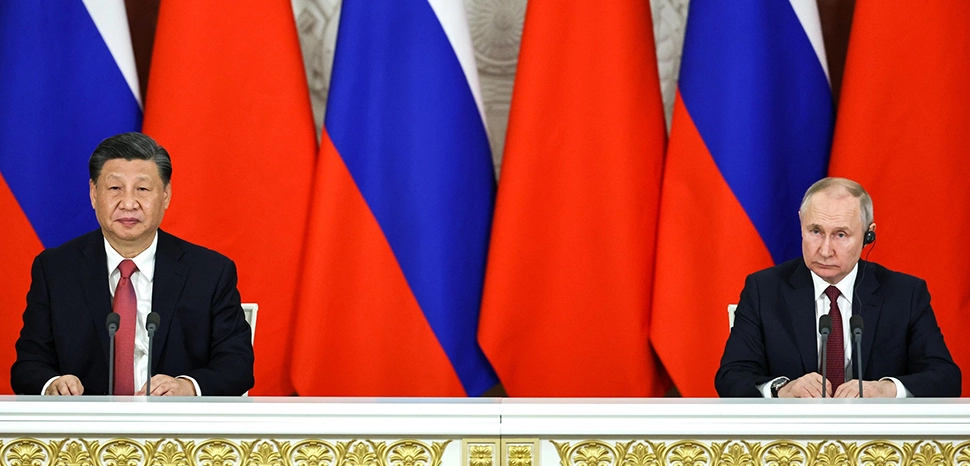
Deepening convergence between China and Russia is beginning to resemble a paradigm shift in global order — not yet a formal alliance, but something potentially more consequential: the gradual construction of a Eurasian strategic sphere designed to outlast American primacy.
How US Cable Security Policy Is Restructuring Indo-Pacific Digital Infrastructure

It’s not just economics but geopolitics that’s guiding cable infrastructure decisions in the Indo-Pacific, and what’s being decided now will reverberate for decades to come.
Indus Waters Treaty, and India-Pakistan Ties: A Year after Pahalgam

With one of the most important cross-border water-sharing treaties ever signed still on hold, what are the chances that Islamabad and New Delhi open talks on the Indus Waters Treaty, and what forum could help bring about a new diplomatic dialogue?
For Russia, Regional Instability Means Opportunity in Central Asia

Faced with geopolitical setbacks across Eurasia, Moscow is turning to Central Asia - one of the few regions where Russian institutional influence persists in structured form - to solidify its influence amid a shifting global order.
Pakistan’s Structural Relevance in a Fragmenting Regional Order

Despite chronic instability, Pakistan continues to command the attention of major powers across Asia and the Gulf. Geography explains part of this relevance, but so does the state’s ability to manage overlapping external interests.
The Iran War Is Exposing BRICS’s Internal Fault Lines

The Iran war is providing a vivid demonstration of how BRICS expansion is hampering the bloc’s ability to act decisively in the security sphere.
Cebu’s Wake Up Call for ASEAN’s Energy Future
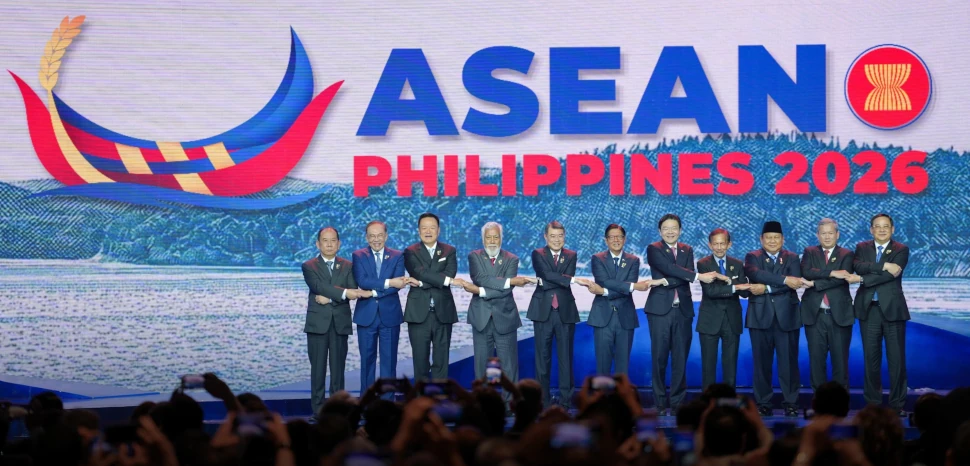
The Iran war is resurrecting old initiatives for bolder cooperation on energy and food security within ASEAN, but with them comes the now familiar friction between geopolitical alignment and collective decision-making.
Kazakhstan Next to Leave? The OPEC+ Question After UAE’s Exit

Kazakhstan is grappling with the same fiscal and capital pressures as other recent ex-members of OPEC and OPEC+. Will Astana arrive at the same decision to leave the cartel?
The Global Water Governance Gap Is Becoming Untenable

Water is no longer a local or technical issue. It is a question of global stability, and the world's institutions need to start treating it as one.
Five Years in the Drawer: Iran War a Laboratory for China’s Sanction Busting

Obscured by a sea of war-related headlines, China is perfecting its domestic sanction-busting apparatus – not for the Iran war of today, but the Taiwan conflict of tomorrow.
Vietnam’s Starlink Pilot and Digital Sovereignty in Southeast Asia

Vietnam’s Starlink pilot reflects a new regulatory template for governing foreign-controlled endpoints, one that accepts the new geopolitical reality that AI compute facilities, cloud infrastructures, and data centers are assets of strategic concern to states.
Credibility Index: A Data-Driven Approach to Assessing the Resilience of US Power

Structural indicators of hegemony like military, institutional, and financial capacity suggest that the US global power is far more likely to decline than collapse outright.
Bipartisan but Bounded: The Limits of US Senatorial Support for Taiwan

The US congressional consensus on Taiwan still matters. But amid a widening gap between commitment and capability, it matters less than it used to.