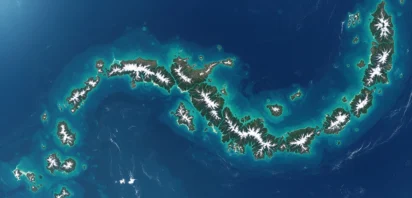
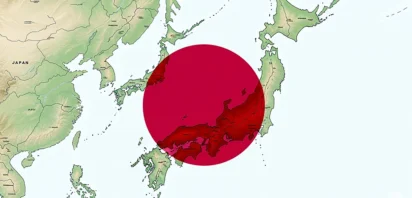
Tensions are once again escalating in the waters surrounding the Senkaku Islands (Diaoyu Islands in Chinese).
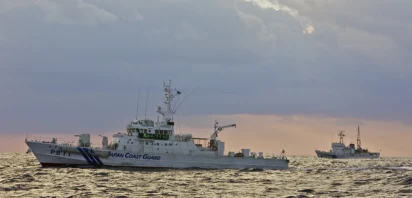
On Wednesday June 15, a PLA Navy intelligence-gathering ship entered Japan’s territorial waters northeast of Okinawa. It was the first such incursion in 12 years, and it came on the heels of an incident the week before when a PLA Navy frigate was operating on the very outskirts of Japan’s territorial waters around the Senkaku Islands.
Three Russian naval ships also skirted the waters surrounding the islands earlier in June.
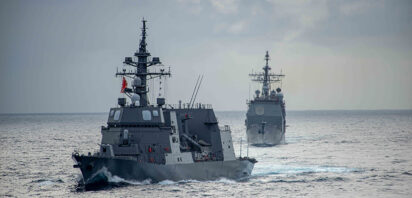
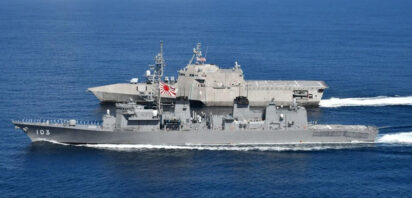
All of these incursions were closely monitored by Japanese Maritime Self-Defense Force (MSDF) destroyers.
Chinese incursions into the waters surrounding the disputed islands have been relatively common since their nationalization by the Japanese government in 2012, but the vessels in question have always been the equivalent of the Chinese coast guard, not the PLA Navy.
The July 15 incursion could have triggered a military response under Japan’s strict legal framework, enabling MSDF ‘security operations’ since the nature of the vessel precluded its classification as safe passage under international law.
The last time the PLA Navy violated Japanese territorial waters was back in 2004, when a nuclear submarine entered the waters around the Sakishima Islands in Okinawa prefecture.
Impact
There are several important factors at play here in these latest developments:
- China Reminds Everyone There’s a Problem. From Beijing’s point of view, these latest incursions achieve two things: they push the issue of China’s Diaoyu claim and test Japan’s military capabilities in the surrounding area. Remember, China is operating at a tactical deficit on its Diaoyu claim. Unlike in the South China Sea, it is Japan that actually controls the territory in question, leaving China with limited options for changing the situation on the ground. These options are mostly limited to trying to make Tokyo admit that there actually is a territorial dispute.