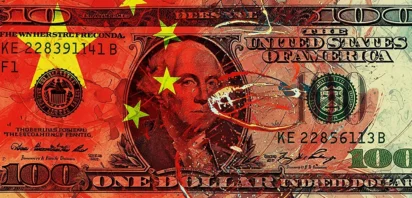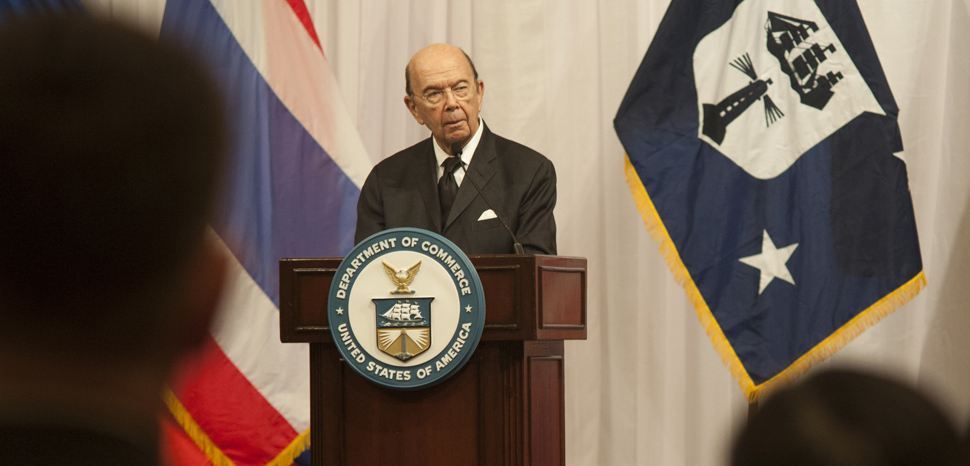
A new front in the US-China trade war has emerged. Independent of the growing list of tariffs being drawn up by the two economic powers, the US Commerce Department has banned US companies from selling parts to China’s ZTE Corp for seven years. The punishment comes after ZTE was found to be in violation of a 2017 plea agreement reached in the U.S. after the company was caught shipping illegal goods to Iran. The agreement had called for the disciplining of the 35 employees involved in the Iran dealings; in March, ZTE admitted that it had not complied with the deal.
Although the ZTE ban might seem like a sideshow in the wider arena of US-China trade tensions, it has the potential to reverberate long after the issue’s immediate resolution, whether by judicial appeal or bankruptcy on the part of ZTE. The ban could come to be viewed as a watershed moment in the evolution of US-China relations – the day when Washington decided to join Beijing in its hitherto one-sided protectionist chess match.
Impact
An unmitigated disaster for ZTE. It’s hard to overstate just how damaging recent events are for ZTE. The company is China’s largest listed telecommunications equipment producer, and its supply chain is heavily reliant on semiconductors and other high-tech components sourced from US companies like Qualcomm and Intel. Simply put, the company is at real risk of bankruptcy if the ban is allowed to stand. US-sourced chips are vital components in many of its products such as servers, smart phones, and network equipment. One 2016 report from UBS estimated that up to 90% of ZTE’s products included American parts. ZTE is the fourth-largest seller of smartphones in the United States.
The ban sent a shockwave through Chinese equities, with trading of ZTE shares being suspended in Hong Kong and Shenzhen on Tuesday. Other companies exposed to ZTE were also hit, such as Acacia Communications (stock fell approx. 35%), Lumentum Holdings (9%), Finisar Corp (4%), and Oclaro (14%).