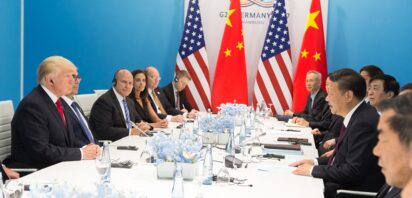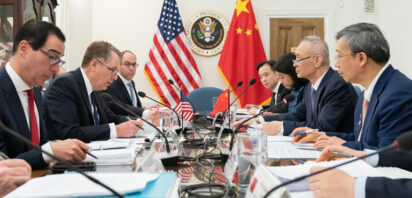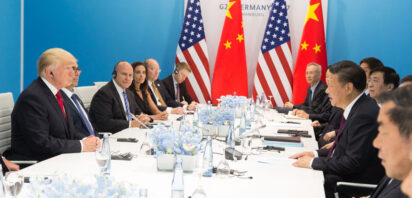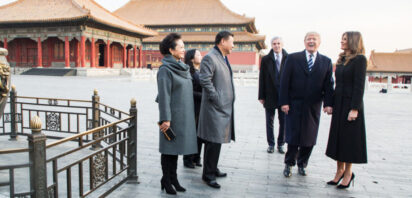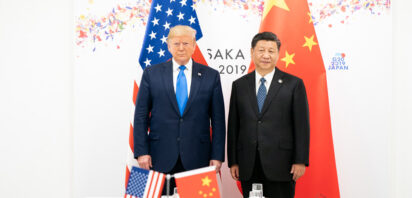
There were two positive developments this week for those scouring the horizon for an end to the ongoing US-China trade war.
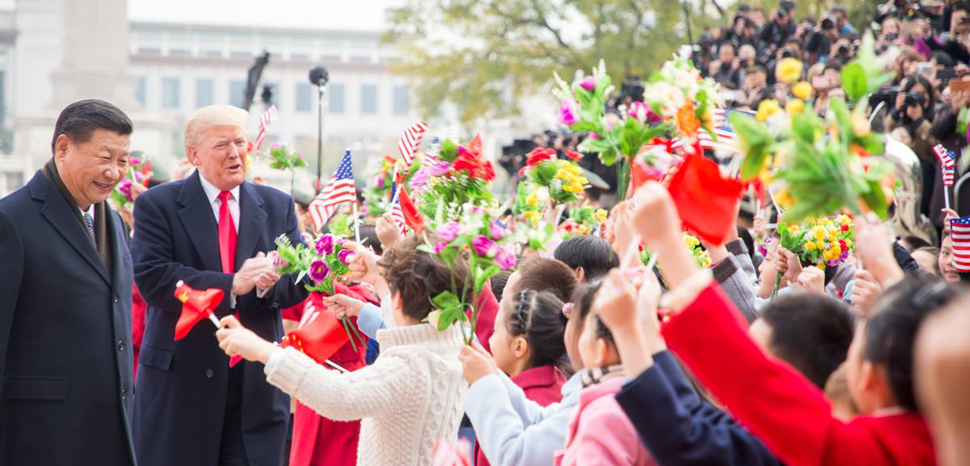
First was a tweet by US President Trump saying that a phone conversation had taken place with his Chinese counterpart, “with a heavy emphasis on trade… [and the] discussions are moving along nicely with meetings being schedule at the G-20 in Argentina.”
Second was a report from Bloomberg saying that the US president wants to reach a deal at the G-20 summit and has asked his cabinet to start drawing up potential terms.
While any new sign of momentum in bilateral trade talks can be taken as a positive, there’s still a wide gulf to be bridged between the two sides’ positions (at least what is known of them). And even if an agreement can be reached, the million-dollar question remains: Can US-China relations ever go back to the way they were?
Impact
There is cause for optimism following recent developments. For one, the dispute has always been one-sided, having been initiated and perpetuated by President Trump, who found the previous status quo of bilateral trade to be unacceptable. Trump thus has the power to end the dispute whenever he sees fit; all it would take is a partial acceptance of the conditions that have long prevailed in US-China trade relations.