
Oil Prices News & Analysis
Kazakhstan Next to Leave? The OPEC+ Question After UAE’s Exit

Kazakhstan is grappling with the same fiscal and capital pressures as other recent ex-members of OPEC and OPEC+. Will Astana arrive at the same decision to leave the cartel?
UAE Leaves OPEC: A Structural Realignment in Global Oil Markets?

The UAE’s exit from OPEC marks the third member in seven years to leave the cartel. Given looming peak oil demand and OPEC’s dwindling share of global production: it won’t be the last.
The Atlantic Corridor: West Africa and Europe’s Hedge against US Energy Leverage

The Iran war has cast a spotlight on supply risks inherent to corridor architecture. With the search now on for ways to diversify beyond a volatile Middle East and conditional US suppliers, the West African Atlantic corridor stands out as a way for Brussels to achieve more durable energy security.
Geopolitics Weekly (Iran War, NATO Infighting, Economic Fallout)

Examining the latest developments in the US-Israel Iran war; how President Trump’s latest attacks on NATO allies are producing a new response; and mounting global economic fallout from supply chain disruptions in the Persian Gulf.
The Geoeconomic Angle of the Third Gulf War

In the heartland of ancient Persia, the lines in the sand of West Asia’s geoeconomic map are being redrawn.
Geopolitics Weekly (Iran War: Week Four)
Examining the latest developments in the US-Israel Iran war, including signs of possible TACO fatigue in the markets, the Houthis entrance into the war, and the increasingly scorched earth character of target selection.
Geopolitics Weekly (Iran War, Bond Yields, Russian Internet)
Examining the latest developments in the US-Israel Iran war, signs of distress in UK bond markets, and Russia’s advancing efforts to assert state control over its domestic internet.
Iran War Has Put Putin in Zugzwang

The war between Iran and the United States has placed Russia in a classic strategic trap — a zugzwang, the chess term for a position in which every available move makes a player’s situation worse.
Some Win, Some Lose, All Sing the Blues: Global Impacts of Hormuz Closure

The impacts of Strait of Hormuz closure are not evenly distributed, at least in the short-term. But the economic pain becomes more universal the longer the crisis continues.
Geopolitics Weekly (US-Israel Iran War, Food Prices, THAAD Redeployment)
Examining the latest developments in the US-Israel Iran war, the impact that the conflict is having on global food prices, what the redeployment of THAAD ‘parts’ from South Korea to the Middle East tells us about the war, and a wave of brutal attacks against military bases in northeast Nigeria.
The Hormuz Stress Test: How Long Will Oil Stockpiles Hold Out?

Delving into the data on lost oil volumes transiting the Strait of Hormuz, strategic reserves around the world, and how the global economy will effect a slow yet painful transition in the event of an extended closure.
Dire Straits: The Hormuz Closure and Global Commodity Markets

The closure of the Strait of Hormuz has moved from contingency planning into operational reality, unleashing cascading effects across a swathe of commodities markets.
Geopolitics Weekly (US-Israel Iran War)
Examining cascading regional fallout from joint US-Israeli strikes on Iran: recent attacks on critical water and energy infrastructure, evidence of Iran’s ‘mosaic defense’ in action, the possibility of divergences in US-Israeli alignment, and mixed messages surrounding a Kurdish offensive in Iran.
Oil, Geopolitics to Weigh on US as Iran Pivots toward Attrition

President Trump has signaled that he’s ready for a long war, but time isn’t necessarily on Washington’s side.
Venezuela and Iran Unrest: Implications for China’s Oil Import Economics

A potential cut-off from Venezuelan and/or Iranian oil supply is a marginal-cost issue, not a systemic vulnerability for China’s overall energy security.
Foreign Policy Guardrails of the Second Trump Administration

The foreign policy of the second Trump administration may appear chaotic, but it is constrained by three dictates: cheap oil, cheap debt, and cheap interventions.
US Shale Resilience Piles Pressure on OPEC+

Not only has US shale survived early attempts by OPEC+ to squeeze out its operations, but it’s now coming for longstanding OPEC+ markets.
US-Saudi Relations Hit a New Low

The OPEC+ decision to cut production by 2 million barrels in November is just the latest of many signs pointing to a deteriorating US-Saudi relationship.
The Energy War in Europe: Gas and the Russian Oil Price Cap
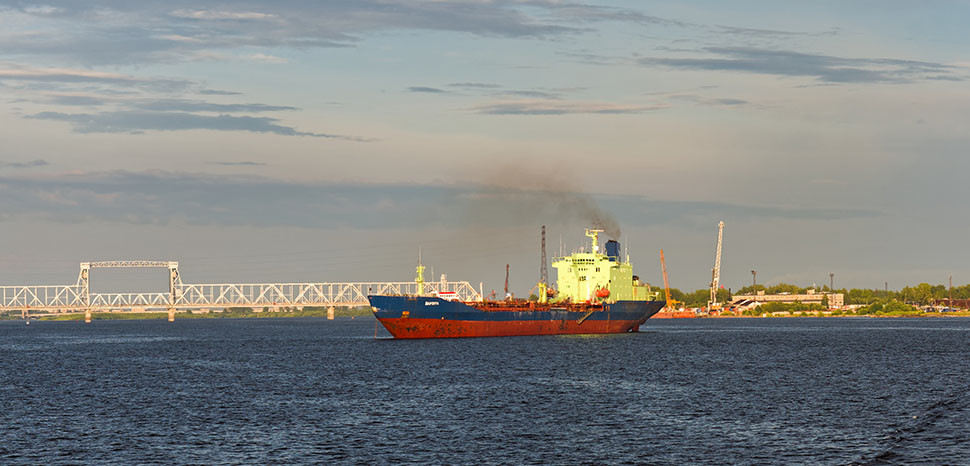
As winter looms, will weather be intervening to provide Russia with much-needed sanction relief?
Energy and Food Insecurity Will Outlive the Ukraine War
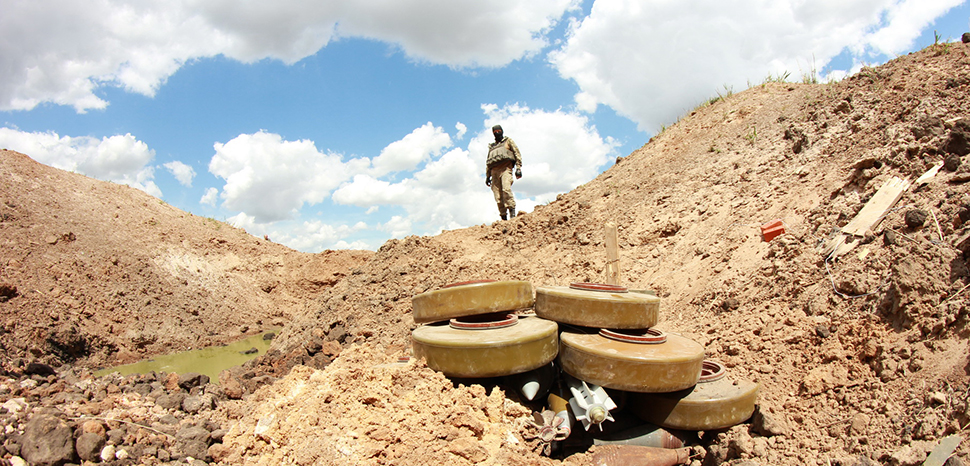
Fallout from the Ukraine war is just one of many factors fueling energy and food insecurity, both of which are likely to linger long after the conflict is over.