
Military Tactics News & Analysis
Washington Cannot Secure Hormuz by Ignoring Iran
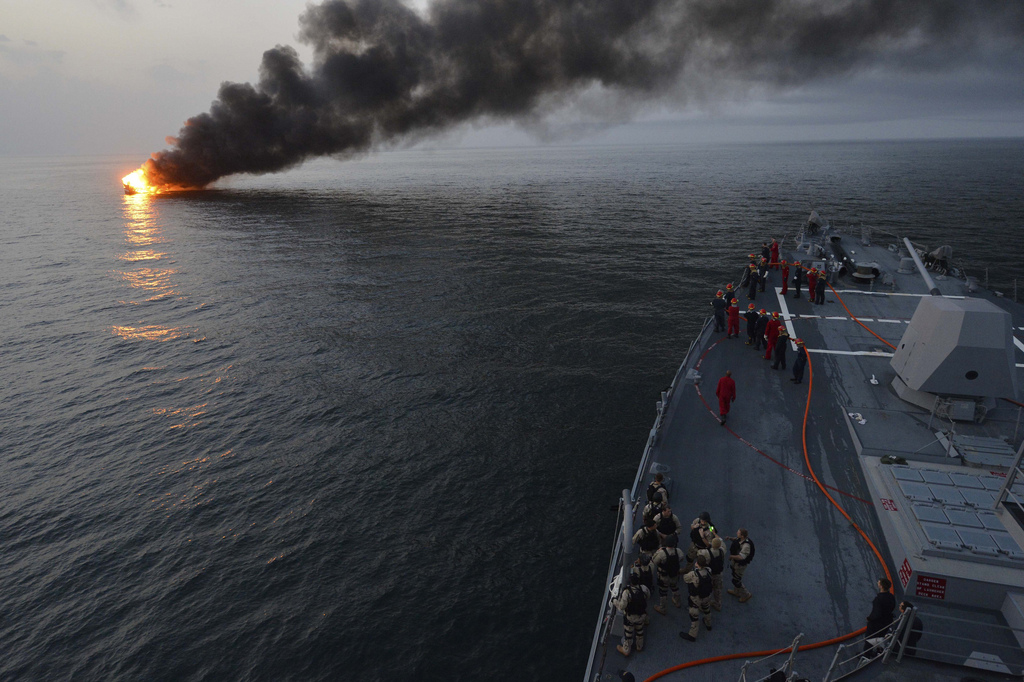
US naval superiority can deter escalation, but it cannot deliver dependable passage through the Strait of Hormuz without a workable understanding of Iran's capabilities, incentives, and red lines.
Sovereignty, Airpower, and the Limits of Alliance Integration
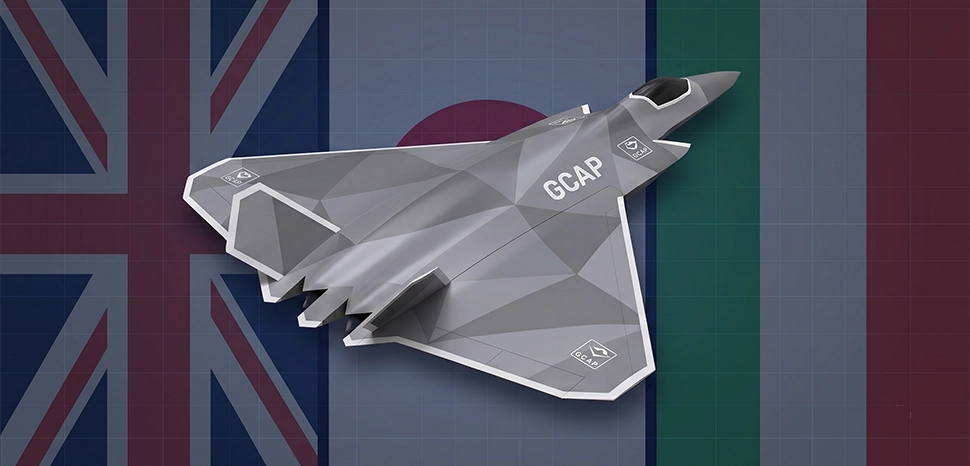
The question is not whether a sixth-generation fighter can be built. It’s whether these aircraft will be able to operate effectively in the environment they are being built for.
Forged in War: The Evolution of Ukraine’s Air Defenses
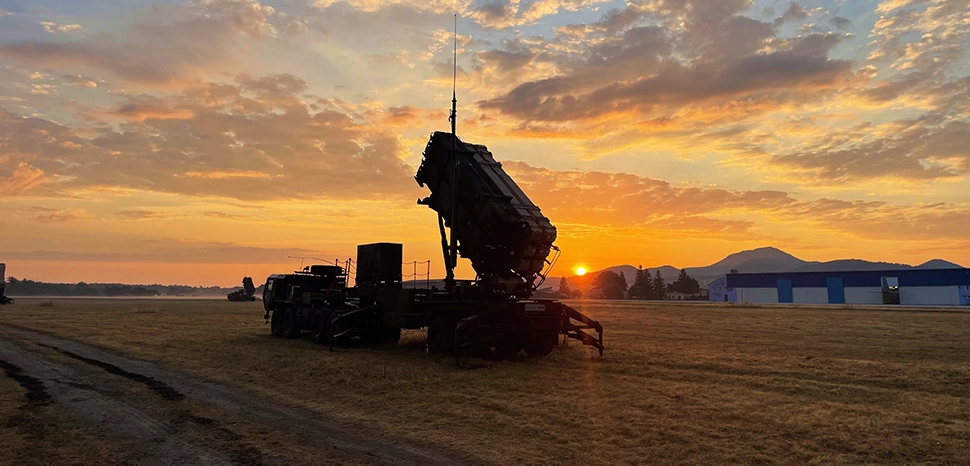
Since the outbreak of the war, Ukraine has assembled the most combat-tested air defense network in the world, drawing important lessons for future conflicts.
Washington Risks Repeating Israel’s Strategic Mistake in the War of Attrition
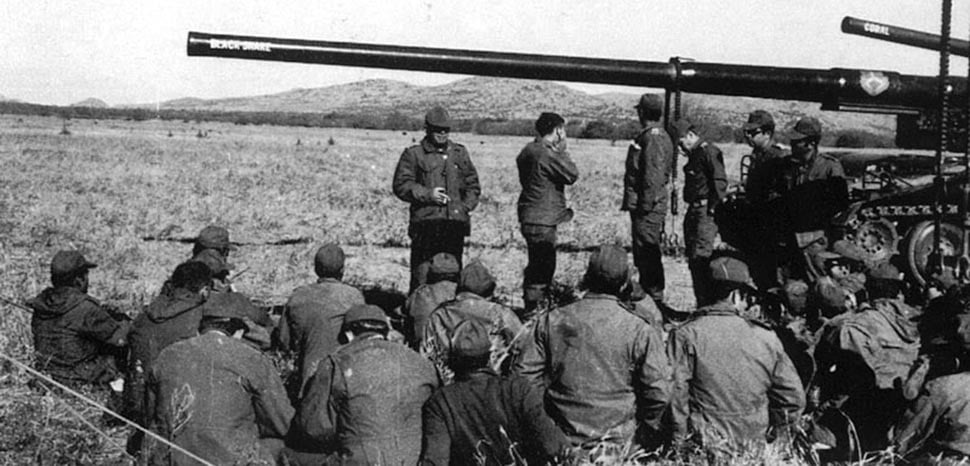
The risk faced by the United States in the Strait of Hormuz mirrors Israel’s War of Attrition against Egypt: What presents as a contained skirmish may actually be setting the stage for a future regional war.
Are Drones Solution to EU Deep Strike Capability Gap?

EU governments are racing to develop drone warfare capabilities with the help of Ukraine. These efforts will help boost European strategic autonomy in the short term, but from a deterrence standpoint, drones are only half the answer.
Iran’s Lost Mines: How Accidental Weapons Will Settle Hormuz Sovereignty

Mine clearance in the Strait of Hormuz is not a matter of post-conflict cleanup. It is a defining element of the current phase of the conflict and will resonate on the question of who controls the Strait going forward.
The Geoeconomic Angle of the Third Gulf War

In the heartland of ancient Persia, the lines in the sand of West Asia’s geoeconomic map are being redrawn.
China’s PL-17 Missile Ripples through Indo-Pacific Defense
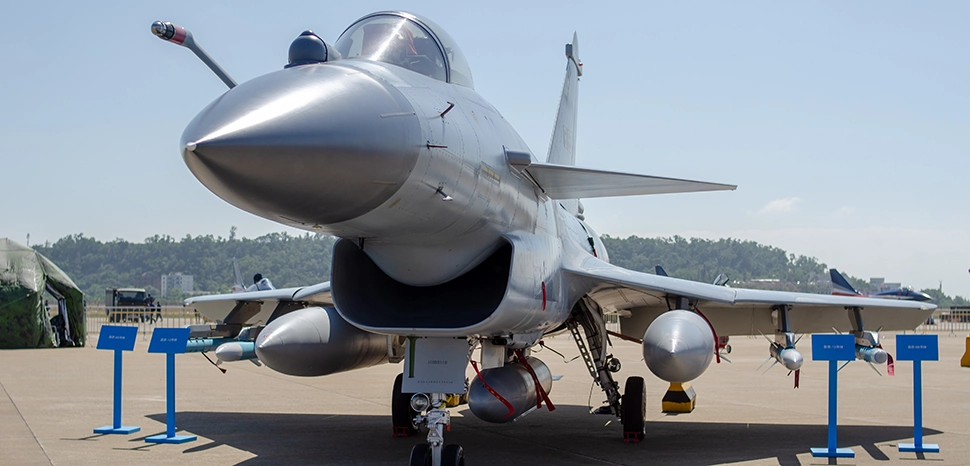
With a reported range of 400 km, China’s PL-17 air-to-air missile puts enemy AWACS and ISR platforms in play, potentially upending longstanding military certainties across the Indo-Pacific.
High-Frequency Poker: Upending Drone Warfare by Raising the Frequency Stakes

Instead of competing in a race-to-the-bottom where adversaries enjoy an advantage in low-end mass manufacturing, the West could play to its strengths by forcing drone warfare to a higher frequency band. Here is a thought experiment on what that might look like.
Why Venezuela’s Air Defenses Never Fired

The Venezuelan operation vividly illustrates how 21st century warfare is increasingly defined less as a clash of forces than as an asymmetric competition between decision architectures.
Where Is Europe’s Reaction to France’s Ballistic Missile Project?

France’s plans for a domestic medium-range ballistic missile (MRBM) program might be a source of national pride, but they could also be a point of contention with European partners and there are better alternatives available.
To Stabilize Korean Peninsula, Look to Nuclear Lessons of the Cold War

By applying insights from the height of Cold War nuclear competition – prioritizing survivability, ambiguity management, and alliance institutionalization—South Korea can build a deterrence structure capable of stabilizing the Korean Peninsula, even as North Korea expands its nuclear arsenal.
Iron Beam Laser: Israel’s Answer to the Drone Revolution

The Iron Beam is a new laser-based system that hopes to narrow the cost asymmetries between cheap drones and expensive interceptors. If it lives up to the hype, it could usher in a new era in air defenses.
Russia’s Burevestnik Launch: An Exercise in Strategic Communication

Russia’s 9M730 Burevestnik is being touted as a technological breakthrough, but the technical details don’t add up.
Shaping Undersea Geopolitics: The Rise of Fifth-Generation Submarines

In an era of intensifying geopolitical competition, rising crises, and heightened maritime tension, the A26 and similar submarines illustrate that undersea warfare is no longer the exclusive domain of nuclear powers.
China–Taiwan War: How an Invasion Could Unfold

Across the narrow strait separating Taiwan from China lies a question that could define the century: what happens when deterrence fails? This article examines how a war could play out.
Cheap, Accurate, Lethal: Laser-Guided Rockets Are Reshaping Global Air Defense

Conventional air defense has been disrupted in an age of drone warfare, where sophisticated and expensive systems risk being overwhelmed by mass strikes. But military and civilian authorities are now beginning to adapt on the defensive side, and a new equilibrium is forming.
Drone Warfare in Ukraine: The Fight for Air Littoral Control

The fight for control of the air littoral is a pivotal domain in the Ukraine war, one where success brings advantages in battlefield awareness, artillery suppression, maneuverability, and attrition. It represents an entirely new paradigm, and it is changing the face of modern warfare.
“War Without Harm”: China’s Hybrid Warfare Playbook Against Taiwan

Beijing’s ideal unification scenario is a ‘war without harm’ – Taiwan’s unconditional surrender in the face of overwhelming hybrid warfare and military pressure. Here’s what this scenario might look like, and what Taipei can do to prepare.
Europe’s Takeaway from the Israel-Iran War: Offense Is Still the Best Defense

For twelve days in June 2025, Israel and Iran traded attacks as the world held its breath and watched, wondering how this geopolitical game of chicken was going to end. What can Europe’s military planners learn from the conflict?