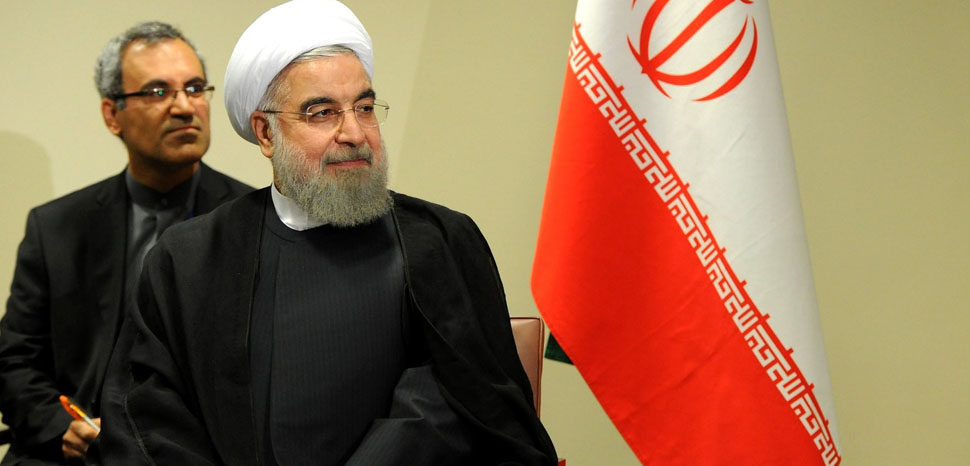
Iranian Foreign Minister Mohammad Javad Zarif, a central architect of the 2015 Iran nuclear deal, has submitted his resignation to President Hassan Rouhani. In a sign of the times, he did it out in the open where everyone can see it: on Instagram.
The move lays bare the normally behind-the-scenes factional infighting at the heart of Iranian politics, and it comes at a particularly bad time for the Rouhani administration. Iran’s economy is in dire straits and Rouhani’s landmark nuclear deal is flat-lining despite European attempts to keep it on alive.
Recent events suggest that the Rouhani administration may not be long of this world. And given what’s likely to replace it, Western leaders may one day look back and pine for the good old days.
Impact
From the Iran nuclear deal’s inception, it was a defining legacy project for the two leaders who birthed it. One leader is on the outside looking in as his successor dismantles his work. The other – President Rouhani – is still active in politics, and faced with the unenviable task of trying to sell the benefits of a hollowed out policy to skeptics in the political establishment and the public at large.
Rouhani’s message has been consistent: Iran has more to gain from compliance and integration into the international community than it does from the defiance and bellicosity that characterized the Ahmadinejad era. Critically, his message was supposed to derive its credibility from the economic benefits the deal would bring.
Herein lies the crux of this current political drama: these economic benefits have failed to materialize, and given the Trump administration’s stance toward the nuclear deal, they’re unlikely to do so anytime soon. It cannot be stressed enough that the Rouhani administration did not derive its popularity from the nuclear deal per se, but from the belief that the deal would bring new jobs, investment, and opportunities for the Iranian people. Economic concerns were paramount during the 2017 presidential elections, and they’ve taken on an almost existential quality amid the inflation and contraction of the present.
This absent economic dividend has left the nuclear deal under fire not just in the United States, but in Iran as well, where hardliners and the powerful Revolutionary Guards (IRGC) are pushing to bring down the Rouhani administration over its failures on economic and foreign policy.