The three weeks following the murder of Jamal Khashoggi have amounted to a PR tug-of-war between the Kingdom and governments in the Western world.
Attempts by Saudi and US authorities to first ignore, then downplay, and then offer alternative explanations of the events leading up to Khashoggi’s death have so far fallen flat. This is one case where the news cycle has remained singularly focused on the scandal, helped by a stream of harrowing details coming out of Ankara.
Turkey has its own geopolitical reasons to make sure that the Saudis pay for their Khashoggi gambit, and President Erdogan has promised to release all the information he has on the assassination on Tuesday.
The ordeal has already resulted in serious costs for the Saudi regime, and there’s likely more to come.
Impact
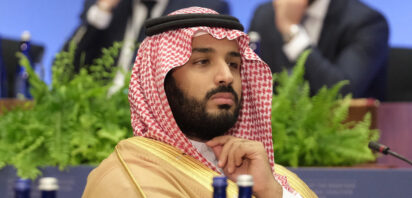
Casualty #1: The Crown Prince’s reputation as a reformer. The most long-lasting and consequential fallout is perhaps the most intangible: Mohammad Bin Salman’s (MBS) reputation as a reformer. The Crown Prince had been cultivating a reputation as a reformer long before his official appointment as heir to the throne in 2017. First and foremost, MBS has sought to overhaul the Kingdom’s economic structure, moving away from the Kingdom’s overreliance on oil and nurturing new domestic industries (MBS was behind the Vision 2030 plan and took over the key state-directed investment portfolio in 2015). MBS also wanted to enact a partial privatization of the massive state-owned energy giant Aramco, but the plan has since been put on indefinite hold. The Crown Prince’s vision isn’t limited to the economic realm; he has also supported significant cultural reforms. In 2018, he ended a ban on women driving and allowed cinemas to open for the first time ever.
The importance of MBS’ credentials as a reformer shouldn’t be understated. They have allowed the future ruler to project a progressive image in his dealings with Western allies, even if the image doesn’t reflect the reality of Saudi Arabia – a society that is and will remain rigidly conservative. The reforms have also been useful in shielding MBS from international criticism over his growing crackdowns on domestic dissent and his bloody war in Yemen.
The Khashoggi affair has taken the sheen off of MBS as a reformer, with the potential for far-reaching ramifications in Saudi politics. King Salman bin Abdul-Aziz is reportedly alarmed at how events have unfolded over the last two weeks, and has reclaimed some powers that had formerly been delegated to his son. The diplomatic fallout will also provide ammunition for the Crown Prince’s detractors, who argue that MBS’ rash and impetuous ruling style could disrupt the delicate internal power balances that ensure the ongoing political stability of the Kingdom.
Casualty #2: MBS’ landmark investment conference. Saudi Arabia will hold a huge conference for foreign investors from October 23-26. The conference, called the Future Investment Initiative, or “Davos in the Desert,” is aimed at bringing in potential investors and corporate reps from around the world and promoting economic development outside of the Saudi energy sector.