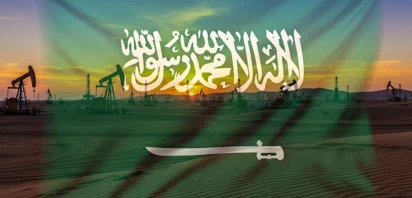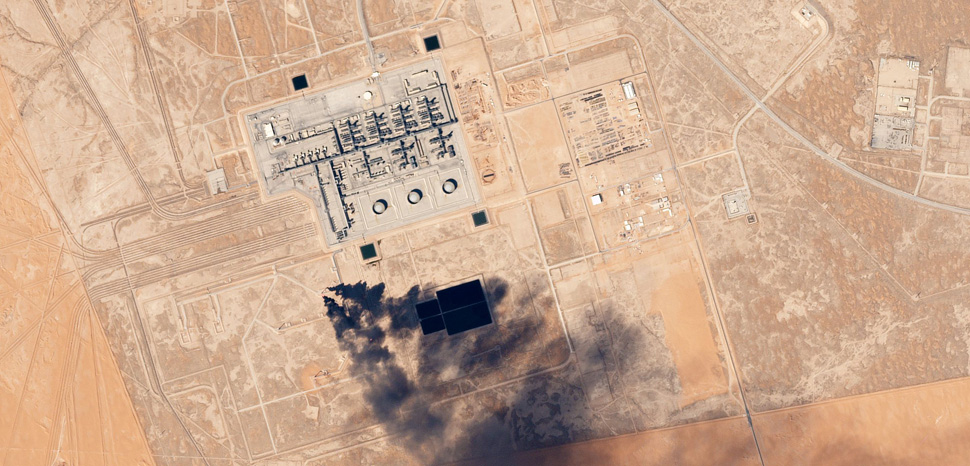
A series of attacks on the Aramco facilities in Saudi Arabia took place on September 14. The targeted facilities at Abqaiq and Khurais – both in the east of the country – process nearly 70% of Saudi crude, and their removal from the domestic supply chain has led to a bout of explosive price volatility in global energy markets.
The incident highlights the fragility of global supply in the world’s top oil exporter, and with US and Saudi government officials pointing the finger at Iran, it portends a further turning of the screws against the Islamic Republic.
But with the US sanction regime already ramped up to ‘maximum pressure,’ are there any screws left to turn short of military conflict?
Analysis
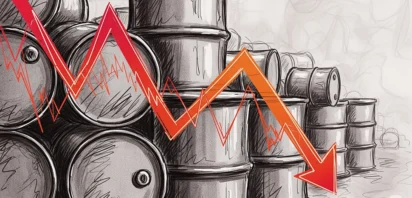
The most immediate impact of the attacks was felt on global energy markets. Saudi Arabia is the top oil exporter in the world and any supply disruption there sends ripples through energy markets and, by extension, the global economy at large. In this case it was more of a tsunami: the day after the attacks, Brent crude opened 20% higher before settling at around a 10% increase by end-of-trading. Since then, price levels have evened out on assurances from the Saudi government that repairs would be rapidly implemented and supply disruptions quickly resolved.
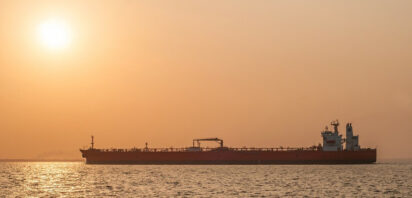
Saudi supply took a major hit in the attacks. Saudi energy minister Prince Abdulaziz bin Salman put the damage at 5.7 million barrels per day, more than 50% of daily production. Obviously this represents a significant portion of the global export market, particularly with producers like Iran and Venezuela exporting at a low ebb. However, Riyadh has managed to insulate global markets from the impact by tapping into its reserves and even reportedly asking OPEC partners to increase exports (though this was subsequently denied). According to the Wall Street Journal, the Saudis have been under-supplying their own domestic market in order to continue filling foreign orders, reversing regional trade flows by buying oil from other OPEC producers like Iraq.