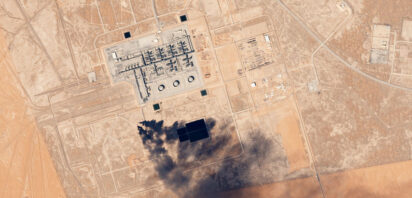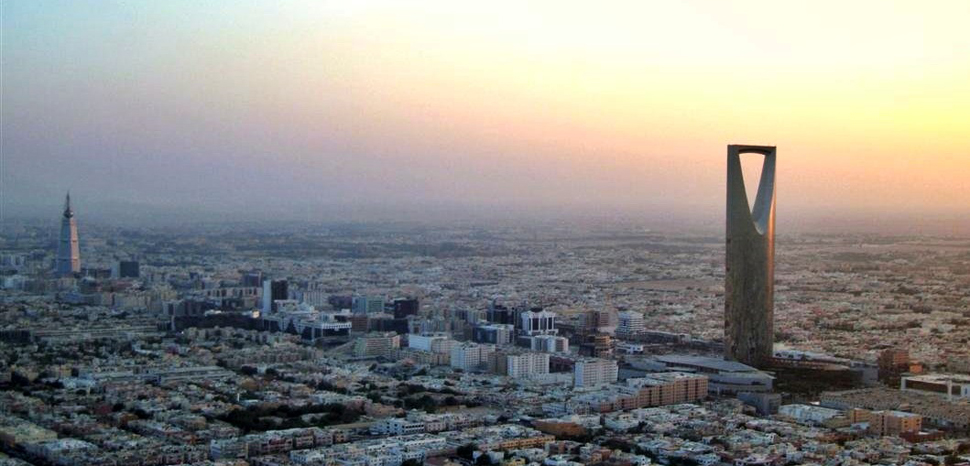
The September attacks on two of its oil facilities brought an old problem into sharp relief: the Saudi Arabian economy remains almost wholly reliant on oil. The reliance is reflected in $2 billion in lost output since then and the revised GDP growth projections for the year. The petroleum sector still accounts for a staggering 87% of government budget revenues. And worst of all for Saudi economic planners, there’s reason to believe that Riyadh’s vulnerability could be preyed on again, not just in the possibility of similar attacks, but also in short-term price fluctuations and the longer-term trend of diminishing demand owing to the climate crisis.
Saddled with years of stagnant growth and an archaic economic model, the Saudi government under Crown Prince Mohammad Bin-Salman (“MBS”) is planning to launch a series of initiatives to diversify the economy. Will they succeed in turning around the Kingdom’s recent fortunes?
Background
Much like the wider world, the Saudi economy is in a bad state; but, unlike many of its peers, a global downturn is a double-threat for the oil-exporting Kingdom, as it can be expected to push down oil prices on softening global demand. The gathering gloom is obvious in the IMF’s projections over the course of 2019. In April, Saudi Arabia was expected to grow 1.9% over the year. However, in the projection released earlier this week, that number fell to just 0.2%.
Saudi Arabia has been trapped in a cycle of stagnation and contraction since the bottom fell out of global oil prices in 2014. This period has seen fiscally accommodative policies intended to stimulate economic activity and grease the generous wages and benefits of the civil service – a central feature of the Kingdom’s social contract, and one that’s even more important in times of royal succession. This has produced economically counter-intuitive policies such as the increase in cost-of-living allowances in the 2019 budget (an overall spending increase of 7%). The allowances themselves had only been introduced a year previous in the 2018 budget.
Fast-forward to the present and the government is running around a 7% budget deficit (IMF numbers) on stagnant growth and question marks abound on the future of the energy industry. The deficit came in at around 4.6% in 2018 – the sixth straight year of the government spending more than it brought in in revenues. Naturally, the Kingdom’s debt has increased over the same period. As of the end of 2018, outstanding government debt stood at $150 billion, 54% of which was denominated in riyal, which amounted to around 19% of GDP at the time. At current spending levels, debt-to-GDP could creep up to the 30% mark in just a few years.