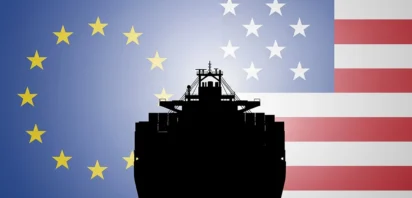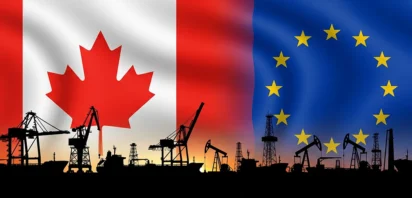
It took 20 years to the day for the two blocs to reach a trade deal, but the improbable finally occurred on June 28, 2019.
Hailed as a ‘truly historic moment’ by EU Commission President Jean-Claude Juncker, the agreement will create a new market of over 770 million people. In Europe it’s being viewed as a victory for manufacturers, especially vis-à-vis their US competitors; in South America, it represents lucrative access to a market worth 3.4 trillion euros.
Here’s what’s on the deal:
Background
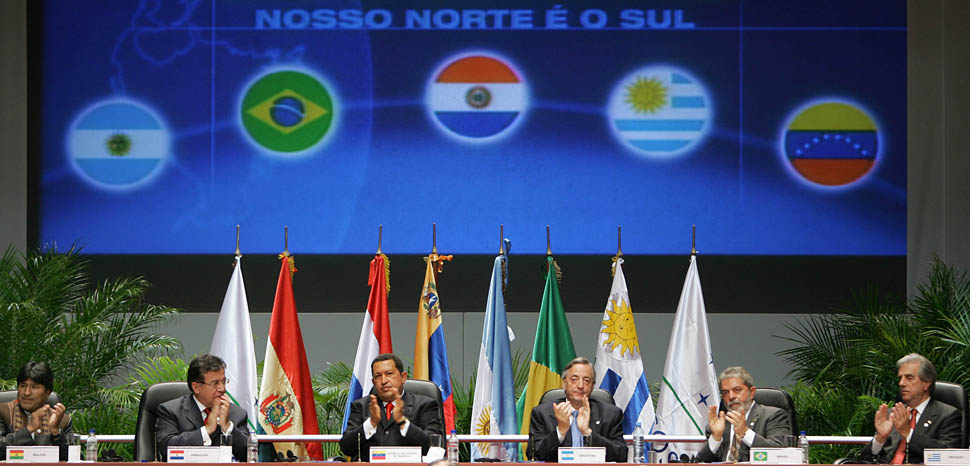
Mercosur, officially known as the Southern Common Market, is a South American trade bloc consisting of Argentina, Paraguay, Brazil, Uruguay, and Venezuela (currently suspended). Together they represent around 295 million people, 15 million square kilometers of territory, and a combined internal market equivalent to the fifth-largest economy in the world.
Bolivia is also in the process of ascending to the organization having been accepted as a member in 2015.
The grouping is an internal customs union and trading bloc analogous to the EU, though it lacks the transnational movement of labor and high degree of political integration of its European counterpart. Mercosur had been languishing over the past decade or so, with many observers having long since consigned it to permanent irrelevance.
The new deal is Mercosur’s biggest (and arguably only) win on the world stage, and supporters hope that it will reinvigorate the grouping and give rise to new regional integration initiatives in South America.