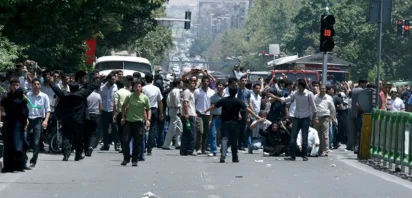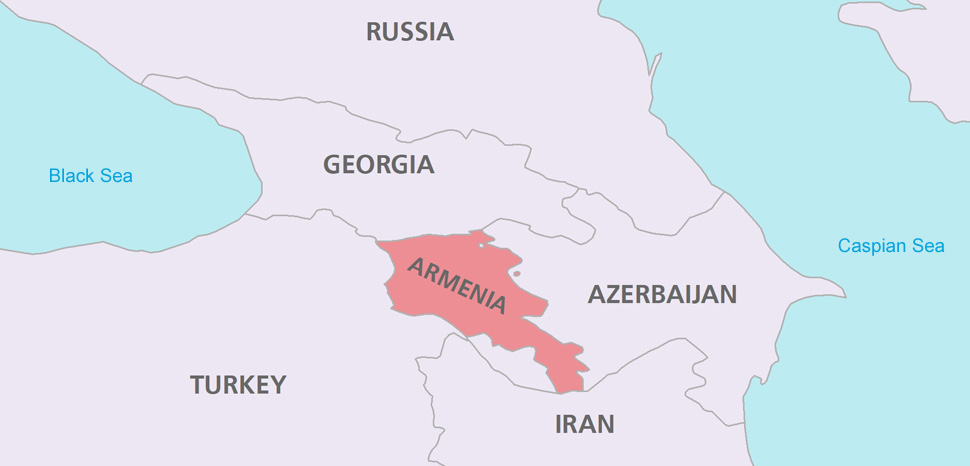
The political upheaval in Armenia shows no signs of stopping as protestors take to the streets once again after a breakdown in negotiations between the government and opposition.
The sudden resignation of Prime Minister Serzh Sargysan earlier this week has failed to resolve the impasse. The opposition, now led by the 42-year-old ex-journalist Nikol Pashinyan, is refusing to budge until independent elections are held. All eyes are now on Karen Karapetin, the acting prime minister and member of Sargysan’s Republican Party. Karapetian, a former Gazprom executive, will have to decide whether to give in to the opposition’s demands or try to weather the protests in the hope that the movement will slowly fracture and fade away.
The situation in Armenia remains fluid, but it has all the makings of a “color revolution” in the same vein as Georgia’s ‘Rose Revolution’ of 2003 and Ukraine’s ‘Orange Revolution’ of 2004 – both of which drew decisive responses from Russia.
Background
Events in Armenia are being fueled by a volatile mix of socioeconomic and geopolitical factors.
There’s a groundswell of animosity toward the government, primarily from young Armenians who view it as corrupt and beholden to wealthy private interests (oligarchs). The economy has sputtered since Serzh Sargysan was first elected president in 2008; three in ten Armenians are living below the national poverty line, a proportion that has been increasing over the past decade. Unemployment is fixed at around 20% and foreign investment is often stymied by corruption and government red tape.