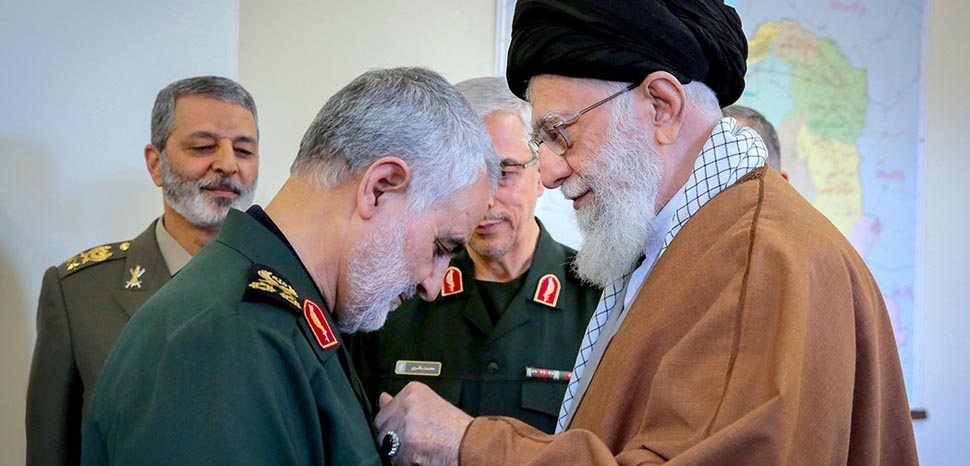
The assassination of Qassem Soleimani in Iraq marks a significant escalation in US-Iran tensions. Retaliation will be forthcoming from the Islamic Republic; failing to do so would risk credibility to the point of posing an existential threat to the regime. The only questions are where the counter-attack will come (Iraq, Israel, Syria, Lebanon, Yemen, to name a few possibilities), when it will happen, and how the United States and its allies will ultimately respond.
The dominos are now lined up. Cascading events will at best produce a new wave of instability in the Middle East, one that is fueled by political events that were already in motion well before the Soleimani killing. At worst they will result in a new US war in the Middle East.
Background
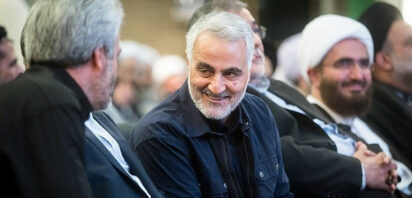
Who Was Qassem Soleimani?
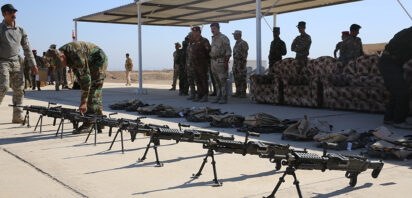
Since 1988, Soleimani had led the Quds force, the branch of the Islamic Revolutionary Guard Corps (IRGC) in charge of overseas operations. The Quds force has been in ascendance ever since the geopolitical map of the Middle East was redrawn by the GW Bush administration, and it presides over Iran’s proxies in the region, ranging from Hezbollah in Lebanon to the Popular Mobilization Units (PMUs) in Iraq.
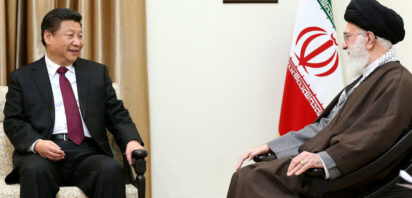
Soleimani’s personal profile as a political and military leader grew over the same span. He was close to Ayatollah Ali Khamenei and some believed him to be a future presidential candidate despite his public disavowal of politics. He also enjoyed considerable support across the Iranian political spectrum, particularly since President Trump’s decision to pull out of the nuclear deal, with recent polling by the University of Maryland’s School of Public Policy putting his approval rating at 81%.
Why Was Soleimani Killed?
According to the Pentagon, Soleimani was “actively developing plans to attack American diplomats and service members in Iraq,” and the assassination was defensive in nature and ordered by President Trump.
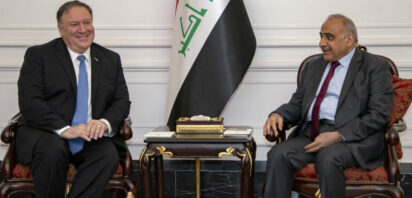
According to Secretary of State Mike Pompeo, the strike was in response to an “imminent attack” on American lives in the region.