As 2019 begins, the Yemen civil war enters its fourth year, with no solution to the complex and bloody conflict in sight. The recent ceasefire is shaky at best, and two trends are sure to add further uncertainty to the conflict in the upcoming year: Saudi Arabia’s worsened international image following the Khashoggi episode and Washington’s reintroduction of sanctions on Iran.
Here’s how we can expect the war to evolve in the year to come:
Background
Similar to Syria, Yemen has been torn for several years by a war involving various state and non-state actors. Yet media coverage on the conflict has paled in comparison to that of Syria and other major international issues.
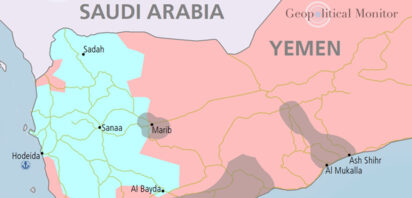
Broadly speaking, the conflict is a civil war between two political factions. In the wake of the 2011 Arab Spring, then-President Ali Abdullah Saleh was forced to cede power to one of his collaborators, Abdrabbuh Mansour Hadi. However, discontent rapidly moutned against the new president as he quickly botched the (difficult) task of tackling the country’s social and economic problems. By 2014, an armed uprising had erupted in the country. It was led by the Houthi faction, which represents the Zaidi Shia minority, but it drew support from many Sunnis as well. In early 2015, the rebels managed to capture the capital of Sanaa, prompting President Hadi to flee to Saudi Arabia. Since then, the war between the rebel groups and pro-government forces headquartered in Aden has been ravaging the country and leaving humanitarian disaster in its wake.
Cleavages have emerged in the two sides since the onset of the civil war. Initially, the rebel coalition was formed by Houthis and supporters of former President Saleh, but following violent clashes between the two in 2017, the former prevailed and Saleh was killed. As for the pro-Hadi forces, they initially included his supporters plus the separatists who demand independence for southern Yemen, which was a separate state until 1990. In early 2018, the uneasy alliance reached a low point and the two parties started fighting each other for control of Aden.