“This war has to end.”
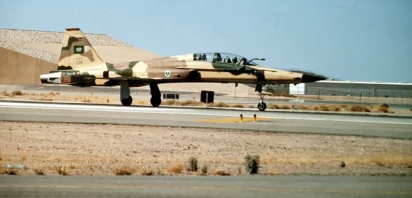
These were the blunt words of President Biden on the Saudi-led war in Yemen. And to help bring about this desired end, the president announced that the United States would no longer be providing any logistical or material support to coalition forces – at least for ‘offensive operations.’ Biden also reversed a last-minute decision by the Trump administration to designate the Houthis as a terrorist organization, citing the difficulties that such a classification causes for conducting humanitarian operations in the war-torn country.
The US diplomatic about face suggest that the Yemen civil war is now entering its final phase, which begs the question: What have the Saudi authorities actually accomplished in the conflict, and at what cost?
Background
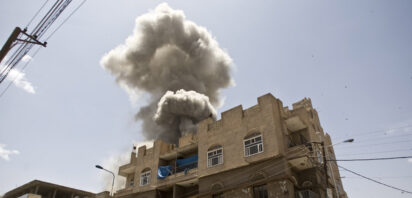
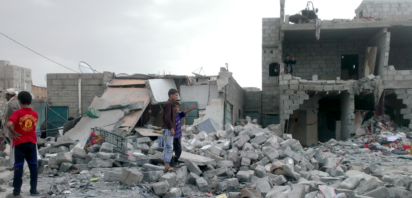
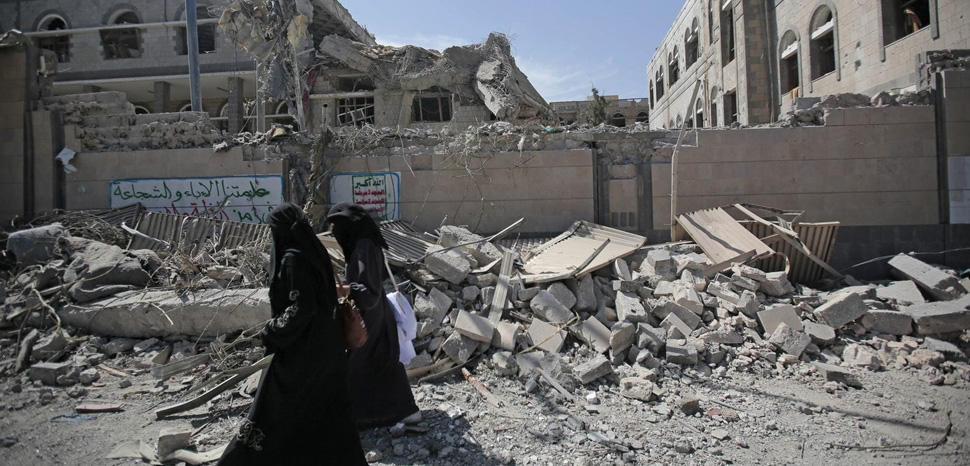
The humanitarian cost of the Yemen conflict has been immense. According to the United Nations, the war has caused over 233,000 deaths in six years, over half of which are the result of indirect impacts such as starvation, or lack of healthcare or infrastructure. What’s more, there’s still no end to the suffering in sight. Yemenis have endured famine of varying intensity since 2016, and UNICEF is sounding the alarm once again over food insecurity, which is expected to spike through the first half of 2021. Humanitarian aid inflows have also been dwindling as a long list of diseases, including diphtheria, cholera, and dengue fever continue ravage the populace.
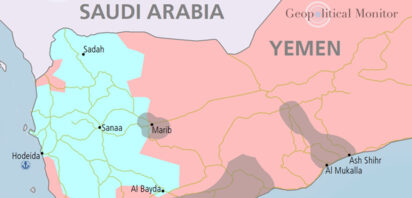
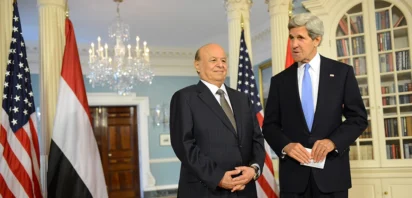
A political solution remains elusive. Despite being targeted in a six-year air campaign by a technologically superior opponent, the Houthis are still entrenched throughout the western heartland, including in and around the capital of Sanaa. The so-called internationally recognized government of Yemen under President Abd-Rabbu Mansour Hadi has been reduced to a figurehead that operates in a handful of coastal cities in the southwest. Aden, the port city where the government was formerly based, is now controlled by the Southern Transitional Council (STC), a UAE-backed political entity that is seeking self-rule for the southern provinces. The rise of the STC is noteworthy because it revives the north-south divide that characterized previous civil wars in Yemen.
To divide up the combatants thus does an oversimplifying disservice. In reality, infighting and profiteering by outfits loosely aligned to the primary players are endemic, and national constructs both institutional- and identity-based are rapidly fading from memory. For example, hostilities first broke out between Saudi-backed government forces and those belonging to the UAE-backed STC in summer of 2019, and such clashes have been intermittent ever since.
This all suggests that it will be exceedingly difficult for any negotiated solution to reconstitute the pre-war borders of Yemen.