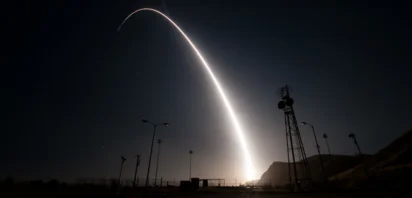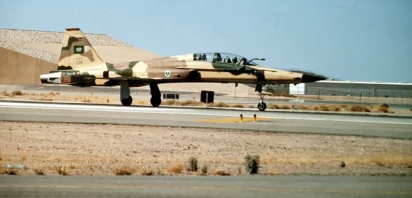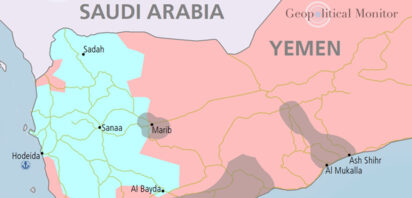
Recent deployments of drones and ballistic missiles by the Houthi movement in Yemen in strikes against a Saudi tanker, both inside international waters and Saudi territory itself, reveal an enduring ability on the part of the Houthis to strike far beyond the limits of their own territory. Though mostly symbolic rather than effective, the use of drones and missiles by the Houthis allows them to generate international headlines by threatening international shipping in one of the world’s busiest trading arteries and raise the domestic costs of Riyadh’s ongoing intervention in Yemen, which is now entering its fourth year.
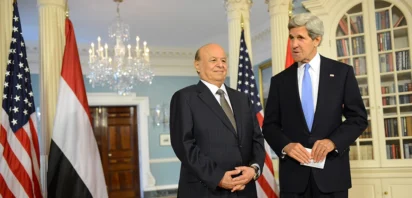
The Saudi government says that 90 ballistic missiles have been fired into the Kingdom over the past three years by the Houthis, though few have caused any real damage. Similarly, the rebels have occasionally targeted commercial shipping and other international vessels (including US navy drones) to raise the pressure on Riyadh’s international backers, the United states and the UK. The attacks also demonstrate that the stalemate between the Houthis and the Saudi-led coalition which intervened in support of Yemen’s embattled President Abdrabbuh Mansur Hadi shows no signs of being broken anytime soon.
Impact
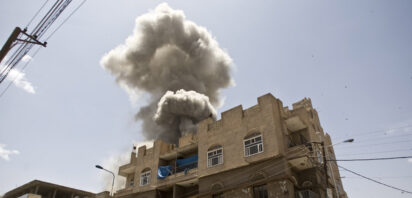
Why did the Houthis attack now? The Houthi’s Al Masirah TV network declared that the rebels had fired a Burkan 2-H, a Scud-type missile variant, toward the Saudi defense ministry in Riyadh in retaliation for the deaths of six Yemeni children in a Saudi coalition airstrike. An earlier attack for the same reasons on a Saudi tanker in international waters had caused minor damage and earned the Houthis a public rebuke from the Trump administration, which has heavily backed the Saudi initiative in Yemen. The U.S. and Britain have sold Riyadh large amounts of weaponry which critics say have been used in indiscriminate coalition air attacks in Yemen’s civil war. U.S. and British military advisers have also provided training and intelligence to the Saudis to aid them in their efforts against the Houthis. Though the Houthis have been accused of committing atrocities of their own, it is in their strategic interest to stage dramatic attacks in the aftermath of Saudi airstrikes. Firstly this allows them to pose as defenders of Yemen’s sovereignty and population, and secondly it returns Yemen to the international news cycle, increasing the political pressure on Saudi Arabia and its overseas backers by highlighting the humanitarian costs of the ongoing civil war, in particular the air campaign and the coalition’s sea, land, and air blockade on Yemen.