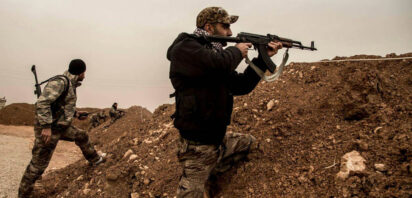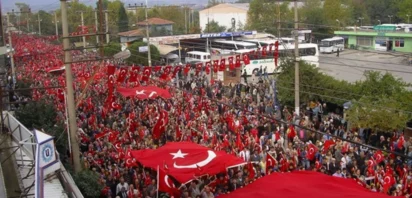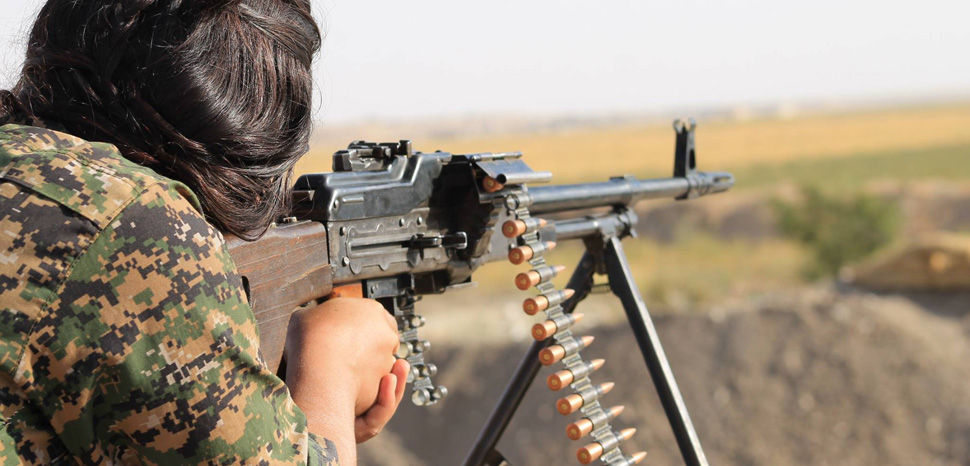
Turkish armed forces, in cooperation with their Free Syrian Army allies, moved into Afrin city on March 18, marking the ostensible completion of a 56-day-long military campaign.
In the end, resistance from the Kurdish People’s Protection Units (YPG) and pro-Assad volunteers who made it to Afrin was surprisingly tepid in the city center. There had been indications in both word and deed that the Kurds were going to shift toward a long, destructive, and bloody strategy of urban warfare against the invading Turkish forces. The city itself is a testament to the plan: it’s peppered with defensive tunnels, ditches, and bunkers that were erected long in advance of the attack. These structures were never even used.
Impact
It’s likely that an order came down for the YPG to pull out, which is reinforced by reports of YPG and government forces executed an orderly pullout via an airbase near Tel Rifaat, which had only recently passed to government control in February as part of the deal that saw limited government reinforcements enter Afrin in support of the YPG. There are two possible reasons for the pullout: 1) to protect manpower and resources and shift them to Manbij in the east in anticipation of a new Turkish offensive (which has been consistently hinted at by the Erdogan government); or 2) to shift to a guerilla warfare strategy within Afrin which is better suited against the Turkish forces and FSA’s massive advantage in conventional weapons and armor.