Beijing recorded 50 COVID cases on June 15, marking the fifth day in a row of at least 50 new cases. The outbreak represents a new hurdle in China’s return to economic normalcy, and it comes just two weeks removed from Beijing’s previous lockdown coming to an end. Looking ahead, the authorities are faced with two unfavorable options: maintain zero-COVID in the face of a sustained economic downturn, or perform a political about-face and allow COVID to spread through an under-vaccinated and sizable elderly population.
Analysis
Now months removed from the start of their troubles, neither Beijing nor Shanghai are completely out of the woods yet.
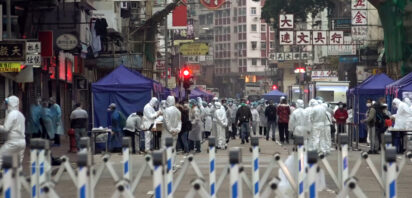
Beijing’s new outbreak illustrates the fragility of COVID-free status when the world beyond China is awash with COVID. The newest outbreak, which has now generated around 287 cases, is linked to a 24-hour bar in Chaoyang, the city’s most populous district. Residents of Chaoyang endured the brunt of the previous round of lockdowns; for example, in a May 14 interview one local resident said that they had already experienced 20 days of lockdown and 10 COVID-19 tests since April 25. Chaoyang restaurants and bars had only just re-opened on June 6 before the new cluster was uncovered.
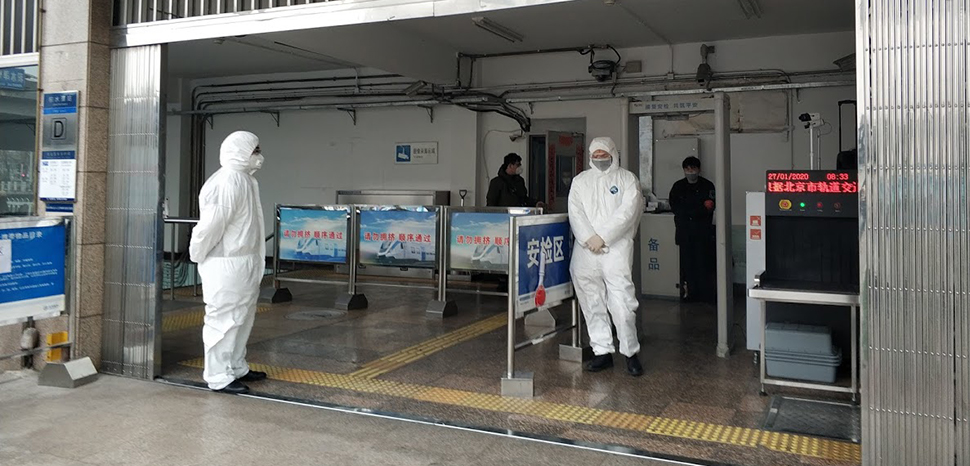
The response has been highly targeted so far: restaurants and entertainment venues around the bar have been shut down, school re-openings have been delayed, partygoers have been tested and in some cases quarantined, and millions of residents are submitting to another round of mandatory testing. The overriding objective remains avoiding the kind of harsh lockdowns that caused Shanghai to grind to a halt for over two months earlier in the year.
Shanghai also received some negative COVID news. The city reported two new local cases outside of quarantine facilities on June 15. The discovery comes soon after the announcement of weekly rounds of mandatory mass testing through to the end of July.