The economic blowback from China’s zero-COVID policy was patently obvious in Caixin’s latest surveys of economic activity. In services, the reading was the second-lowest on record, with the PMI hitting 36.2 in April, down from 42 in March. As recently as February the index had been just above the 50 threshold denoting expansion. In manufacturing, the Caixin PMI hit 46 in April, down from 48.1 in March.
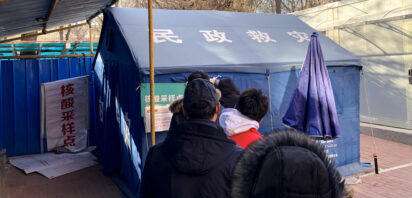
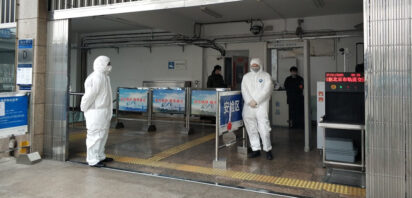
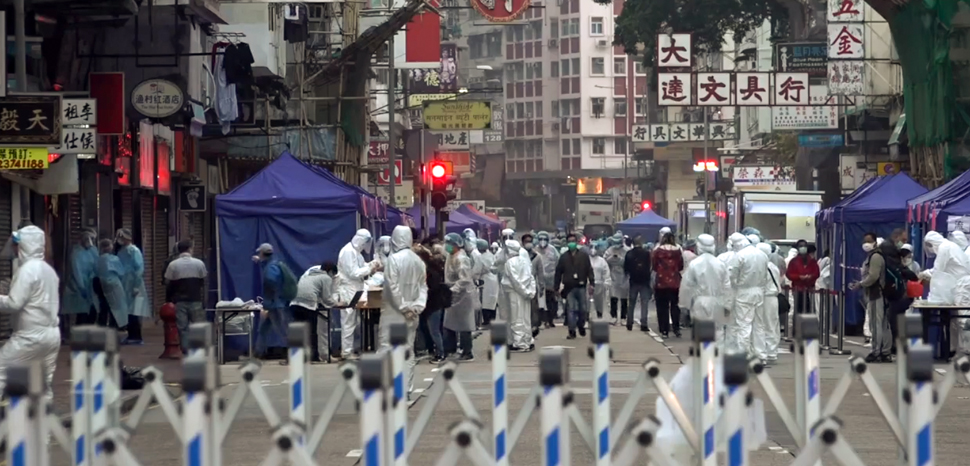
The data reflects choked commercial activity being left in the wake of Beijing’s zero-COVID policy, which applies a contain-at-all-costs logic to a virus that is now endemic in nearly every other part of the world. As of Tuesday, some 43 cities are under full or partial lockdown as per Reuters, but the most politically and economically salient of them are without a doubt Shanghai and Beijing.
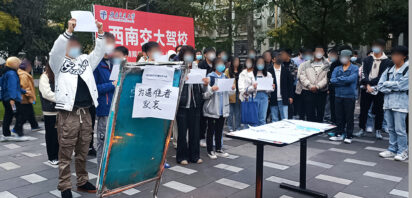
The struggle to reign in the Shanghai outbreak is well-known at this point, with strict lockdown measures now stretching past the month mark in some districts, at times generating public anger that has made international headlines. On Sunday, the city posted its fewest new case count in weeks at 3,497; however, strict government measures meant to stamp out the outbreak show no signs of easing. In fact, there has been an evident tightening in recent days, with residents being barred from leaving their houses for exercise and new cases being forcibly removed and placed into centralized quarantine facilities.
The extent of Beijing’s outbreak remains small in comparison, reporting 61 new symptomatic cases on Monday, but the political significance of the capital tends to raise the stakes, with past clusters in Beijing being met with sweeping restrictions. This time has seen a slow ratcheting up of restrictions, as gyms, schools, and now public parks have been closed down, and affected neighborhoods sealed off and isolated. Whether or not the city avoids the same kinds of large-scale lockdowns seen in Shanghai remains to be seen, but as of Tuesday cases and restrictions are trending in the wrong direction.