
Us Navy News & Analysis
Washington Cannot Secure Hormuz by Ignoring Iran
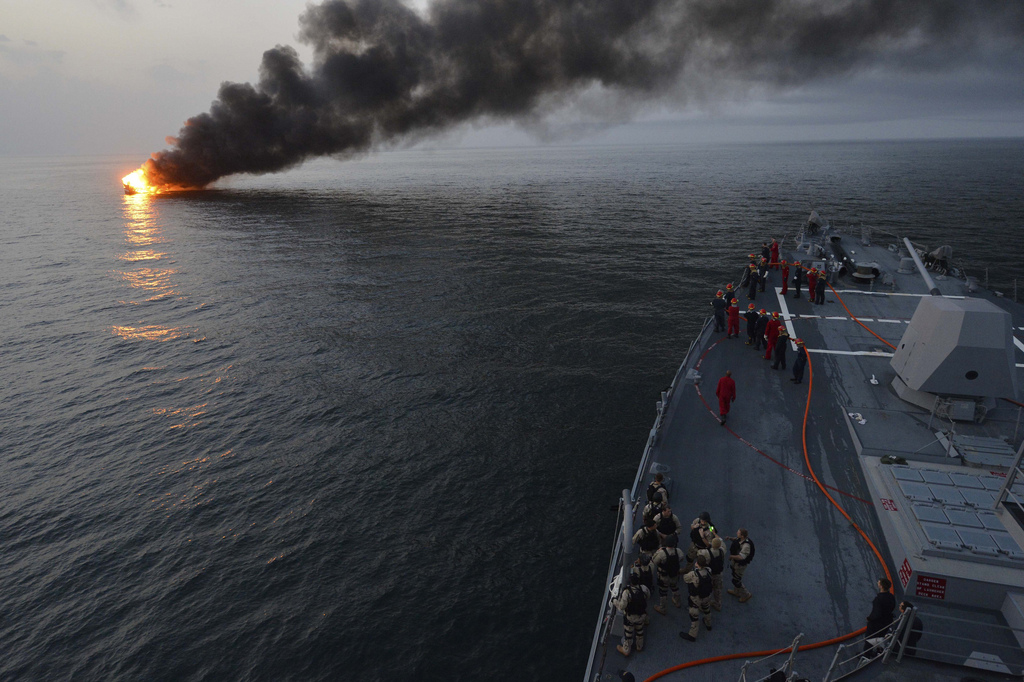
US naval superiority can deter escalation, but it cannot deliver dependable passage through the Strait of Hormuz without a workable understanding of Iran's capabilities, incentives, and red lines.
The US Shipbuilding Industry Is Not Ready for a War
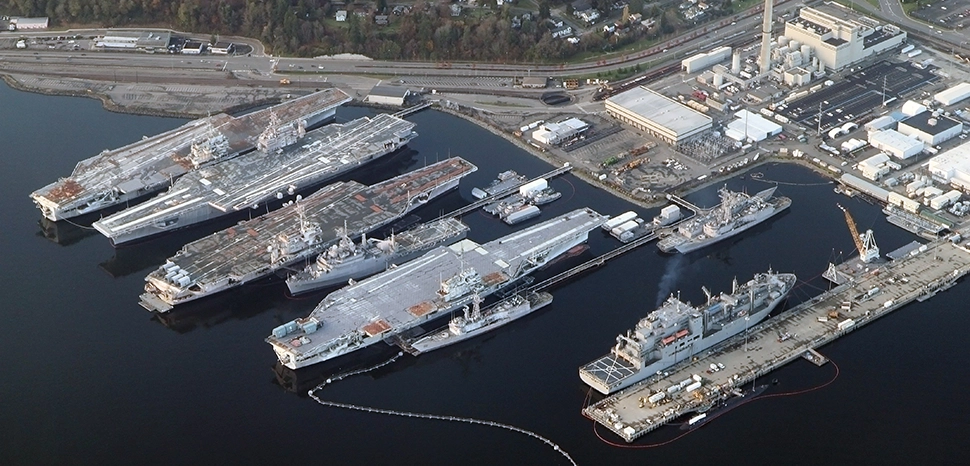
The US Navy is seeing ever more frequent and intensive engagements, but domestic shipbuilding bottlenecks impose hard limits on its operational reach.
Washington Risks Repeating Israel’s Strategic Mistake in the War of Attrition

The risk faced by the United States in the Strait of Hormuz mirrors Israel’s War of Attrition against Egypt: What presents as a contained skirmish may actually be setting the stage for a future regional war.
China’s PLA Navy: A Peer Competitor Emerges

Examining the force structure, doctrine, and capabilities of China’s PLA Navy after decades of modernization and rapid shipbuilding.
Setting a Precedent: US War on Drugs Reboots in Latin America

It’s not the volume of Washington’s drug boat strikes that’s most important – it’s the precedent they set for future military action. This forecast examines the diplomatic, economic, and military risk factors inherent to President Trump’s militarized approach to counter-narcotics.
Breaking the Ice: Unpacking the US-Finland Icebreaker Deal

The recent US-Finland icebreaker deal has two objectives: close the capability gap with Russia in the High North and thaw out a long-frozen segment of the US shipbuilding industry.
Cheap, Accurate, Lethal: Laser-Guided Rockets Are Reshaping Global Air Defense

Conventional air defense has been disrupted in an age of drone warfare, where sophisticated and expensive systems risk being overwhelmed by mass strikes. But military and civilian authorities are now beginning to adapt on the defensive side, and a new equilibrium is forming.
From Strength to Strength: CSSC Merger Hones China Shipbuilding Edge
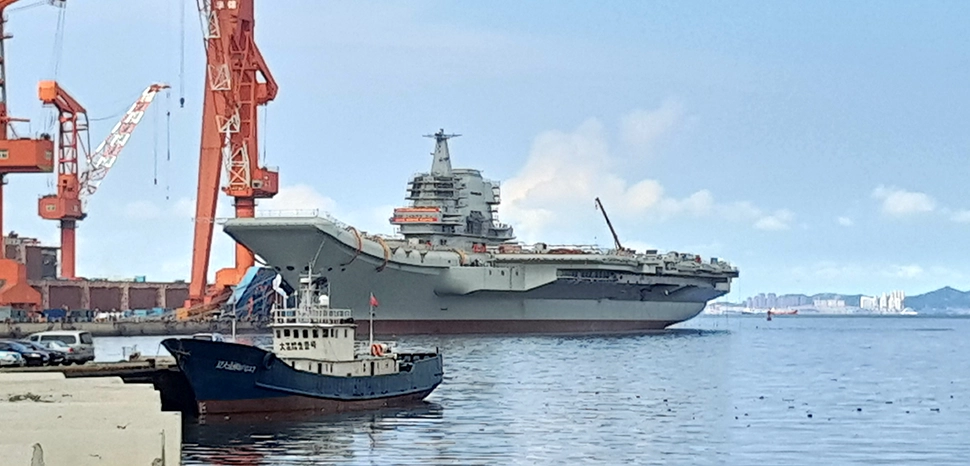
China’s CSSC merger is more than a business deal. It is a geopolitical declaration, a signal that Beijing intends to dominate not only the oceans but also the industrial means of sustaining that dominance.
Talisman Sabre 25: More Than Just an Exercise

Talisman Sabre 25, the largest joint military exercise between the United States and Australia, represents a powerful signal of allied readiness, technological advancement, and deterrence in the critical theater of the Indo-Pacific.
Distributed Maritime Ops: Is the US Navy Ready for China?

Distributed Maritime Ops seeks to increase the resilience of US forces against Chinese A2/AD threats by complicating enemy targeting and leveraging technological advantages, but success is still contingent on the robustness of US logistics and industrial support.
Disruptive Maritime Tech and the Future of Naval Power

Low-cost, high-impact technologies are redefining sea control, power projection, and naval dominance in a contested maritime domain.
AI and Asymmetric Threats: A Fork in the Road for US Navy Modernization
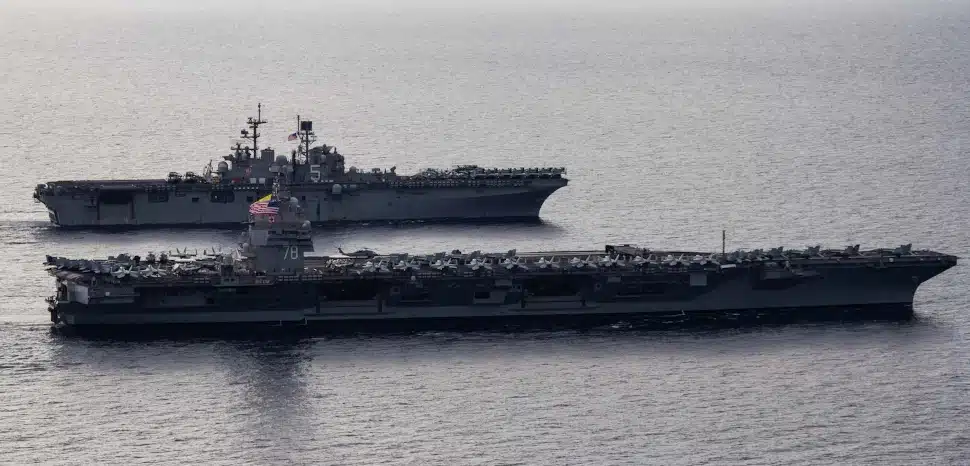
As the US Navy grapples with quantity and cost challenges in its conventional shipbuilding program, small tech startups hold out the promise of a swifter adaptation to the asymmetric realities of modern conflict.
India, Australia, and the Indo-Pacific Imperative
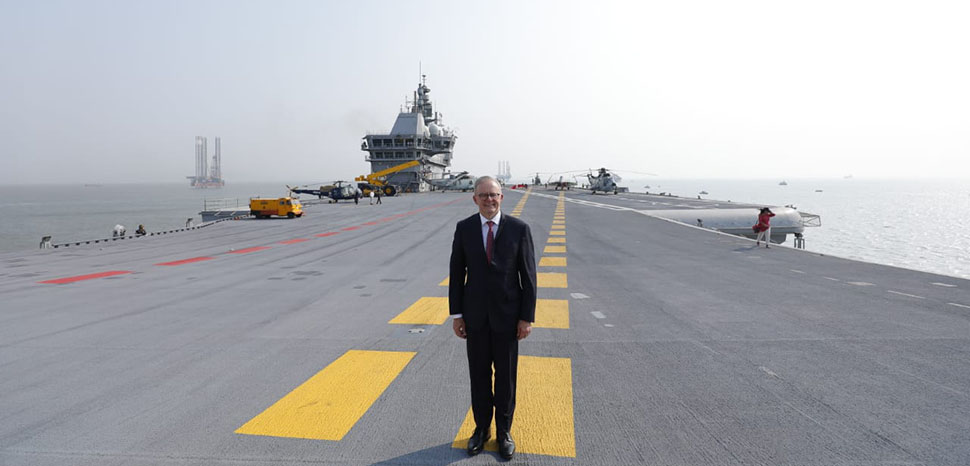
An increasingly aggressive China is solidifying bilateral relations between New Delhi and Canberra.
PLA Navy on the Rise in East Asia
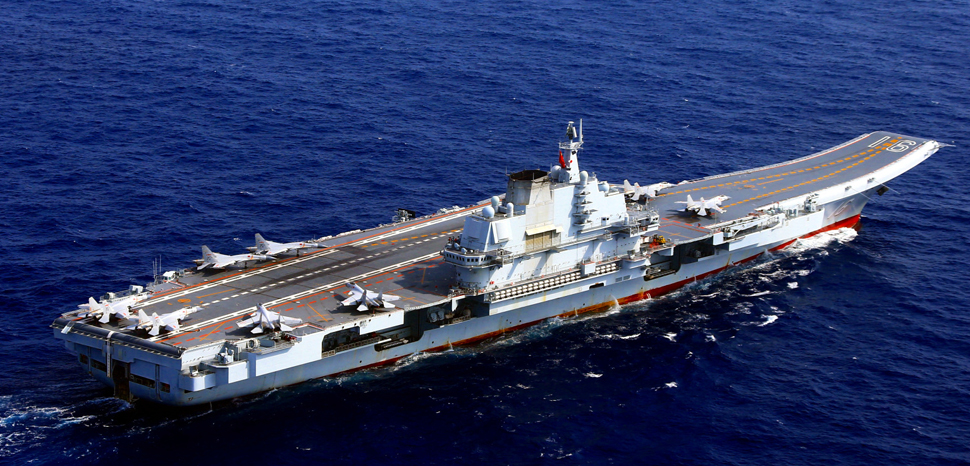
Bolstered Chinese military spending and a rise in altercations with the US Navy are both results of Beijing’s ambitions to expand the Chinese defense perimeter into the South China Sea.