
Islamic State News & Analysis
Geopolitics Weekly (US-Israel Iran War, Food Prices, THAAD Redeployment)

Examining the latest developments in the US-Israel Iran war, the impact that the conflict is having on global food prices, what the redeployment of THAAD ‘parts’ from South Korea to the Middle East tells us about the war, and a wave of brutal attacks against military bases in northeast Nigeria.
Geopolitics Weekly (Trump and Venezuela, Syria Assassinations, China’s Treasury Dump)
This week we examine Trump’s embrace of the Chavista regime in Venezuela, reports of multiple assassination attempts targeting President al-Shaara in Syria, Beijing’s accelerating efforts to offload US debt, and new indications in Europe and Canada of a fundamental realignment in global defense industries.
Geopolitics Weekly (EU Critical Minerals, Nigeria Attacks, US Syria Withdrawal)
This week we examine warning signs that EU critical minerals policy is falling short in its diversification efforts, ISIS-linked attacks in Nigeria and how they reflect a widening band of Sahel instability, the assassination of Saif al-Islam Gaddafi in Libya, winners and losers in a potential US withdrawal from Syria, and an emphatic election win for Sanae Takaichi’s LDP in Japan.
Geopolitics Weekly (Ukraine Shadow Fleet, ISIS Strikes, Thai-Cambodia Conflict)
This week we examine the expanding quantity and range of Ukrainian drone strikes on Russian shadow fleet tankers, a US ‘declaration of vengeance’ against ISIS in Syria, and how the Thai-Cambodia conflict reflects a global system in flux.
The Collapse of al-Assad’s Syria, One Year On

From Camp Bucca to the People's Palace in Damascus: How the West created President Julani.
China’s Wakhan Corridor Dilemma: Economic Development or Security?
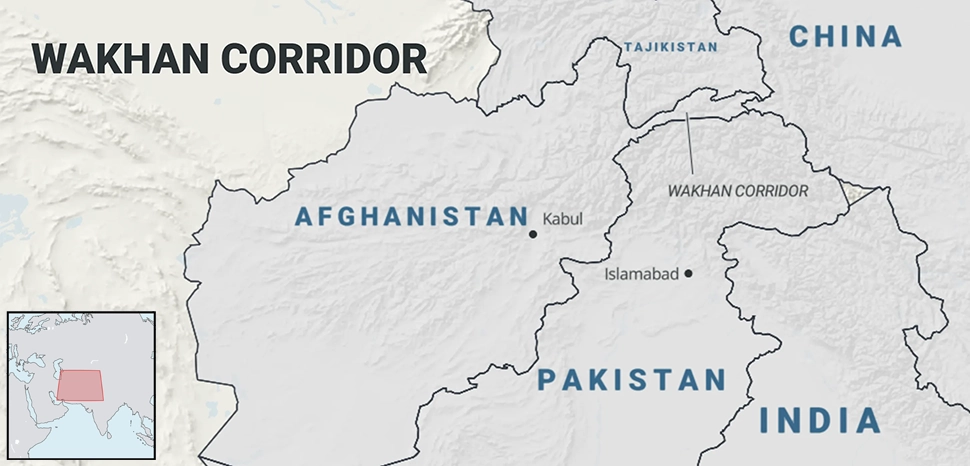
China is moving forward on the development of the Wakhan Corridor, creating a direct land link with Afghanistan. Yet the slow pace of cooperation reflects justified concerns over the security of the route.
Ghost of the Caliphate: How Africa Became the Global Epicenter of the Islamic State

The physical "caliphate" of the Islamic State in Iraq and Syria collapsed years ago, but its apparition failed to disappear, instead finding new life in local conflicts across Africa.
The Message Matters: Lessons from a Decade of Islamic State Social Media Campaigning

Considerable insight has been gained on countering the recruitment and radicalization efforts of groups like Islamic State on social media over the past decade. But there’s still a lot of work to be done.
AQ and Islamic State Ramp Up Vernacular Propaganda in India

Al Qaeda and Islamic State are ramping up their India-centric propaganda – a trend that has been particularly pronounced since the fall of the Hasina regime in Bangladesh.
Breeding Grounds of Extremism: How Syria Refugee Camps Fuel Radicalization

There is a risk of history repeating itself as Syria refugee camps incubate a new generation of potential recruits for Islamic State and other extremist outfits.
The Future of the Anti-Islamic State Coalition in Iraq
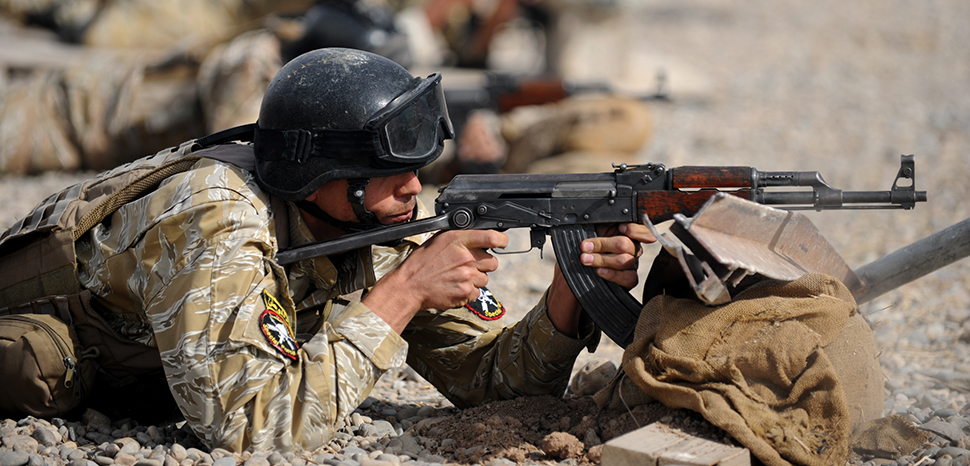
The coalition against Islamic State in Iraq and Syria, having largely completed its mission, is increasingly viewed as a liability in Baghdad.
Deconstructing the New Clarion Call for Ghazwa-e-Hind against India
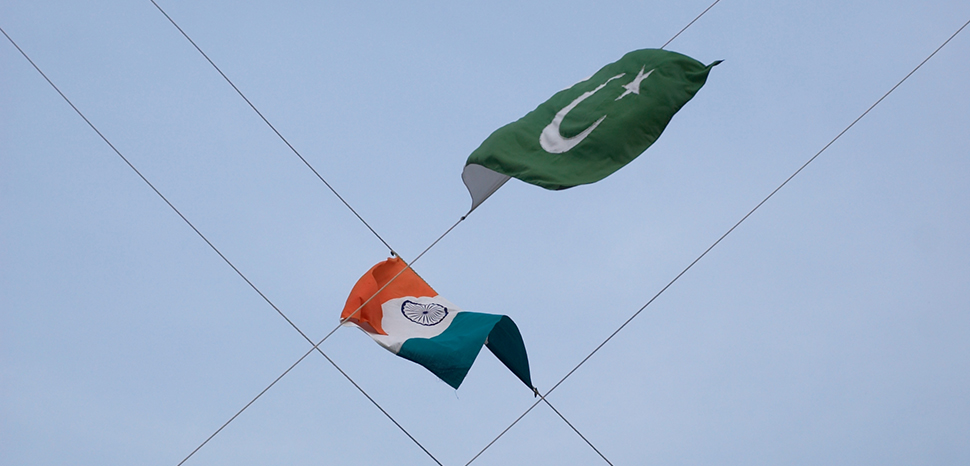
Why has one of India’s most wanted terrorists suddenly reappeared after a 17-year absence?
Will the Makassar Suicide Bombing Spark a New Wave of Terror in Indonesia?
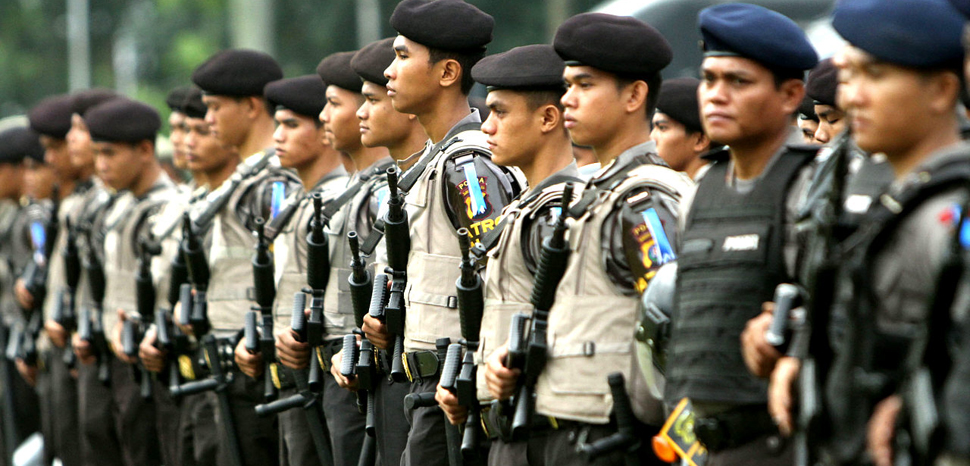
After a married couple linked to Jamaah Ansharut Daulah (JAD) bombed a Catholic church in Sulawesi, Indonesia is on high alert to prevent repeat attacks by Islamist militants.
ISIS-Linked Insurgency Opens a Vacuum in Northeast Mozambique
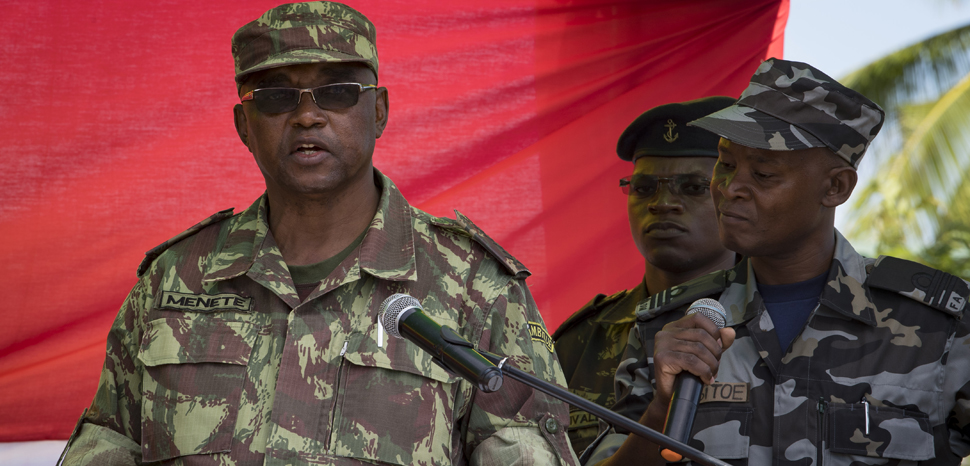
Last week’s brutal Palma attack is fueling concerns of state collapse in northeast Mozambique.
The Limits of Military Intelligence in the Sahel
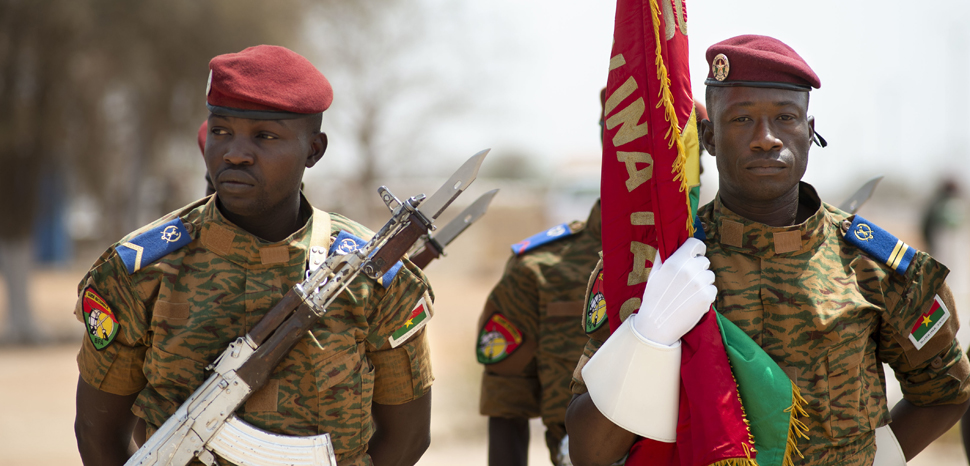
In the absence of a multilateral approach targeting transnational factors destabilizing the Sahel, even the best military intelligence won’t be enough to stem the tide of extremism.
Family Ties and New Recruits: Abu Sayyaf Proves Hard to Dislodge in the Philippines
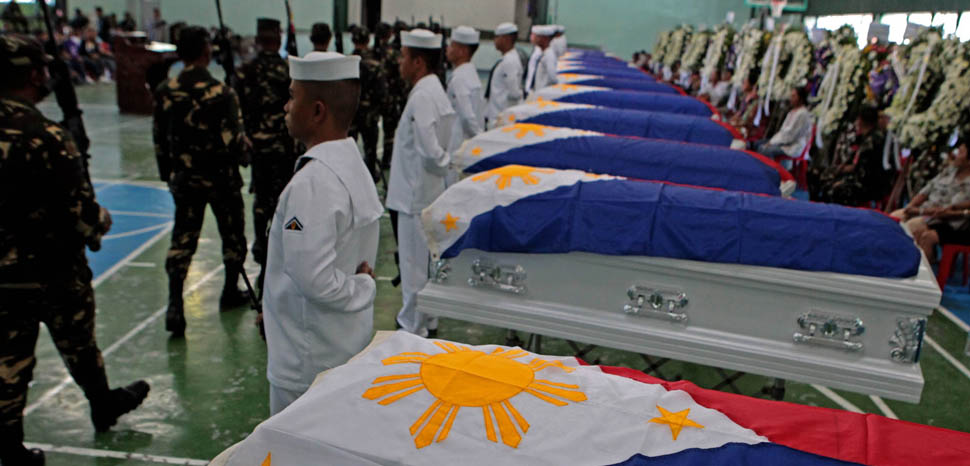
It was hoped the defeat of Abu Sayyaf and their Maute allies in Marawi in October 2017 would extinguish the threat of Islamist militancy in the Philippines. Three years later, ISIS-affiliated groups remain active.
Assessing President Duterte’s Controversial New Anti-Terror Law
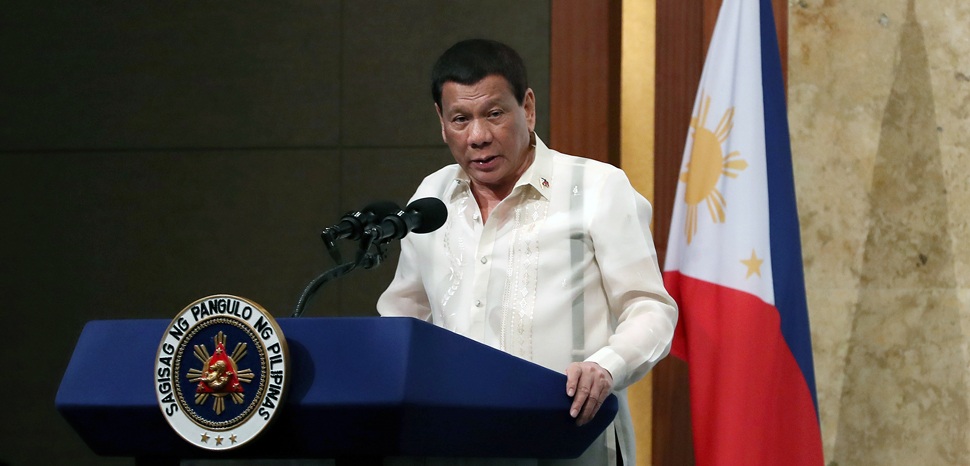
The president’s supporters maintain the law is necessary for combating terrorist groups like Abu Sayyaf. Detractors worry that it could further chip away at the foundation of the Philippines’ democratic character.
Islamic State and Al-Qaeda Clash in the Sahel
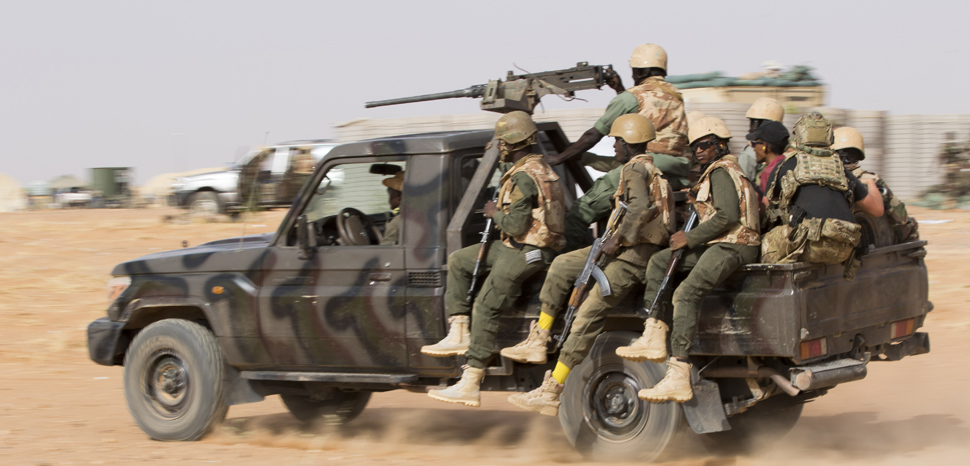
Background on the worsening clashes between Al Qaeda and Islamic State’s regional affiliates in the Sahel.
In the Southern Philippines, Delays to Rebuilding Marawi Threaten a Fragile Peace
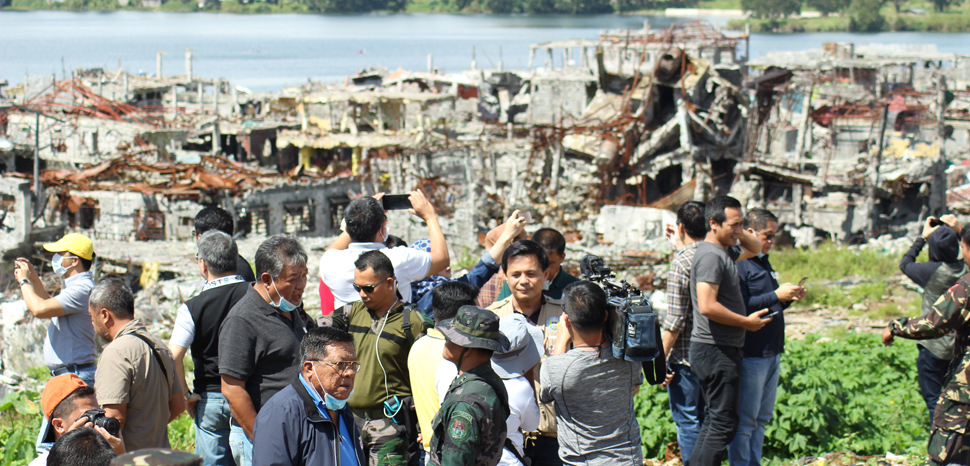
The longer Marawi is left in ruins, the higher the chance that history could repeat itself.
How the Islamic State Fractures Afghanistan’s Peace Prospects
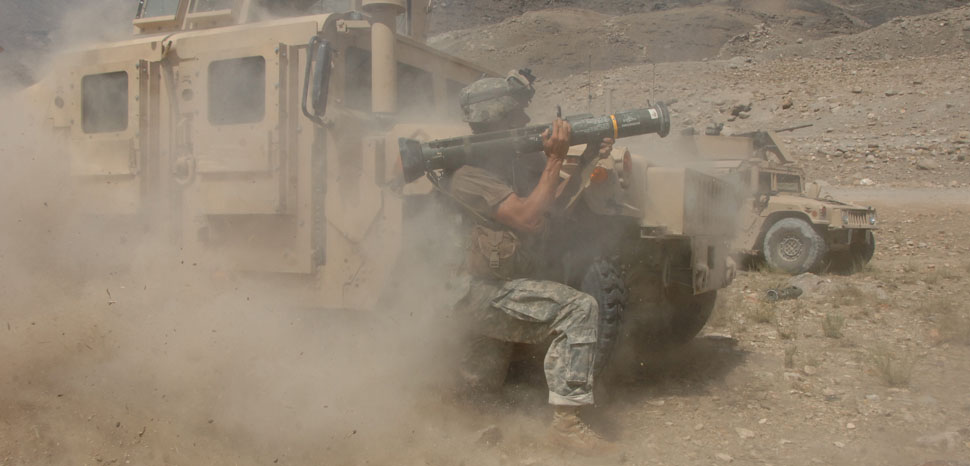
ISIS-K wants to undermine any Afghan peace prospects. To achieve this, ISIS-K relies on a strategy of intimidation and division.