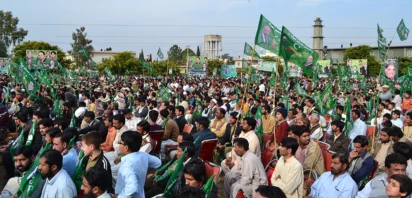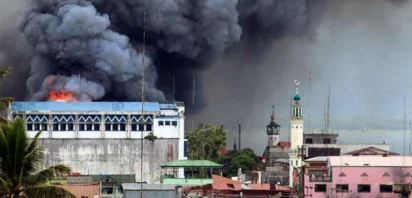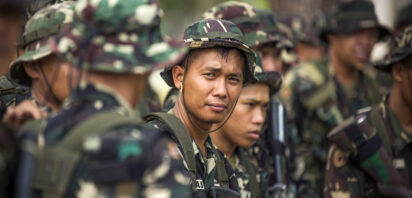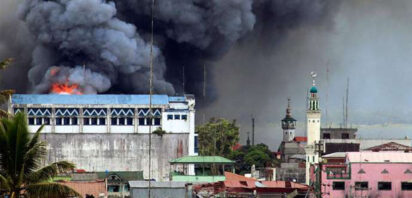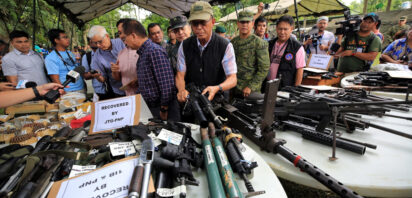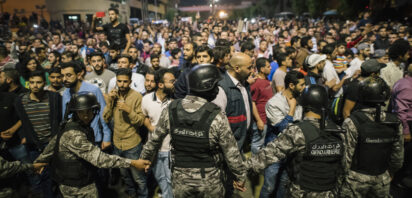
Three years ago, the siege of Marawi was in full-swing. A failed attempt by Philippine troops to capture Abu Sayyaf leader Isnilon Hapilon, on 23 May 2017, had prompted a militant uprising which would last until October. Armed Forces of the Philippines (AFP) soldiers were pitted against ISIS-affiliated jihadis led by Hapilon and his co-conspirators – the Maute brothers – in fierce street-to-street urban warfare.
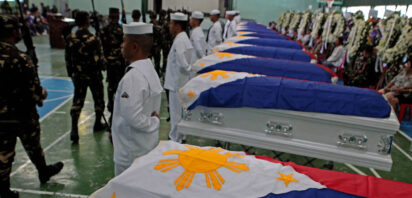
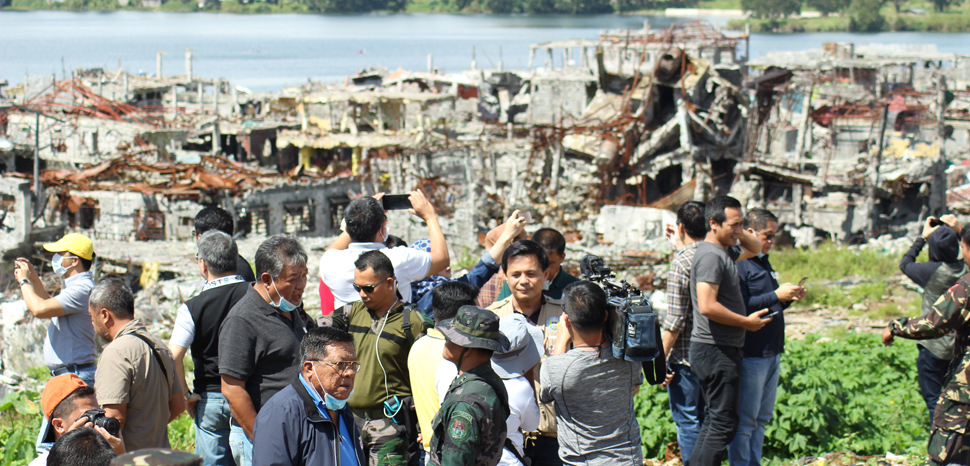
By the time the battles ended, 1,200 – including 920 militants and 168 AFP soldiers – had been killed. 350,000 residents had fled their homes, unable to return to a city left in a state of ruin. Near-daily IED blasts and government airstrikes had flattened the central Banggolo district, where AFP bomb-disposal experts have since been working to clear debris and safely locate and detonate unexploded ordnance.
The last-known bomb was destroyed in October. Yet construction work has been slow to pick-up pace, even as 126,000 evacuees still reside in transitory shelters or with relatives across the Lanao provinces. Rebuilding Marawi, known as the ‘Islamic city’ with its symbolic Grand Mosque and majority-Maranao Muslim population, will be key to peace in a region afflicted by separatist conflict since the mid-1970s.
Last year, a peace accord was finalized between Manila and the region’s largest rebel group, the Moro Islamic Liberation Front (MILF), ending hostilities and forging a new Bangsamoro Autonomous Region in Muslim Mindanao (BARMM). The inauguration of the region last March signalled the arrival of self-governance, and a chance to address the grievances of western Mindanao’s Moro Muslim population.
Since then, violence perpetrated by the ISIS-aligned groups whom laid siege to Marawi has dwindled. Yet amid the perceived slow pace of reconstruction, further delayed by the COVID-19 pandemic, local frustrations are rising. A ‘growing sense of despair’ fuelled by a ‘lack of urgency’ in rebuilding the city is now raising fears of a fertile recruitment pool for jihadi groups intent on spoiling the peace process.
Reconstruction efforts directed by Manila
Manila has dismissed such criticism. In the aftermath of the siege, President Rodrigo Duterte created Task Force Bangon Marawi (TFBM), headed by Housing Secretary and former AFP general Eduardo del Rosario, to oversee rehabilitation efforts. A lengthy operation to clear unexploded ordnance from the former ‘Main Battle Area’ got underway in 2018 and was completed late last year, paving the way for the reconstruction of the worst-hit Banggolo district. The area was the city’s bustling commercial hub.
But from the start, plans have faltered. The initial plan, to give the entire task of rebuilding Marawi to a Chinese-led consortium, collapsed amid a political tussle over future visions for the city. Instead, the work was split into multiple projects, with government departments responsible for public works and highways, energy, health and education to award separate contracts to firms to build roads, electricity infrastructure, communications networks and drainage systems, as well as new hospitals and schools.