
Energy Sector News & Analysis
Iran Is Not Trying to Close Hormuz Anymore. It Is Trying to Own It.

While Gulf states invest in bypass pipelines to escape Iranian geography, Tehran is successfully institutionalizing permanent administrative control over the Strait through a new maritime toll authority and a "don’t-ask-don’t-tell" insurance market.
Cebu’s Wake Up Call for ASEAN’s Energy Future
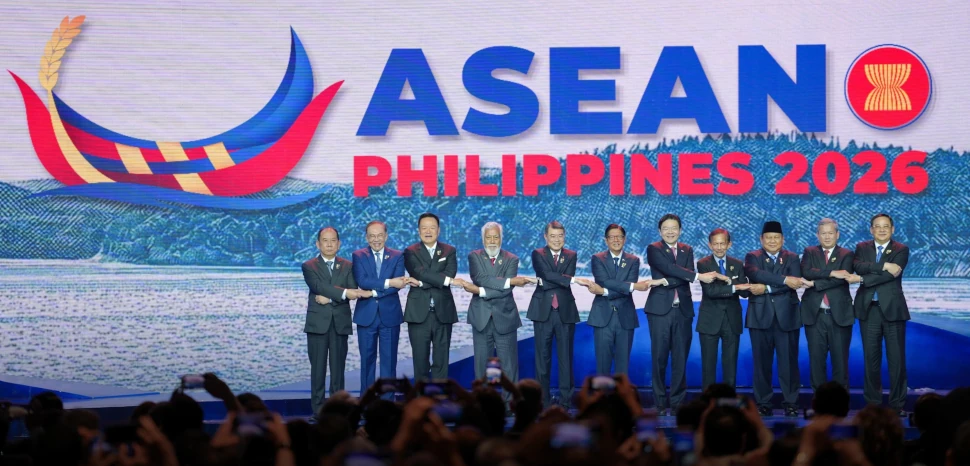
The Iran war is resurrecting old initiatives for bolder cooperation on energy and food security within ASEAN, but with them comes the now familiar friction between geopolitical alignment and collective decision-making.
Kazakhstan Next to Leave? The OPEC+ Question After UAE’s Exit
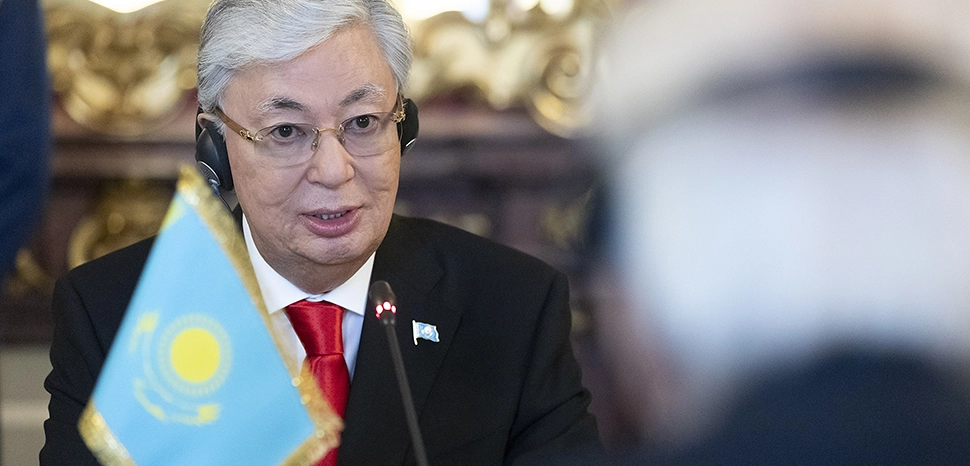
Kazakhstan is grappling with the same fiscal and capital pressures as other recent ex-members of OPEC and OPEC+. Will Astana arrive at the same decision to leave the cartel?
West African LNG After Paris: Relief, Dependency, or Diversification?

The Iran war served to focus Europe’s political attention on energy diversification. However, recent summits with African producers reveal that the continent remains unwilling to do what is necessary to achieve it.
UAE Leaves OPEC: A Structural Realignment in Global Oil Markets?

The UAE’s exit from OPEC marks the third member in seven years to leave the cartel. Given looming peak oil demand and OPEC’s dwindling share of global production: it won’t be the last.
Energy Dominance: How the Iran War Reveals America’s Strategic Position

The Iran war and other geopolitical ruptures are allowing Washington to reposition itself from systemic guarantor to indispensable supplier. This new role generates revenue where the previous one generated only obligation, while simultaneously converting the dependency it once protected others from into a dependency directed at Washington itself.
Abu Dhabi’s OPEC Exit and the Architecture No One Admitted Was Breaking

UAE’s withdrawal from OPEC may have come as a shock to some, but this is a decision that was made incrementally, across fifteen years, and in theaters far from any OPEC meeting room.
Strategic Dependence and Regional Risk: Türkiye’s Akkuyu Nuclear Project

Türkiye’s Akkuyu nuclear power plant reinforces an emerging reality in the Eastern Mediterranean and surroundings: critical infrastructure projects are no longer neutral economic assets, and the struggle for energy independence comes layered with new vectors of external vulnerability.
The Atlantic Corridor: West Africa and Europe’s Hedge against US Energy Leverage

The Iran war has cast a spotlight on supply risks inherent to corridor architecture. With the search now on for ways to diversify beyond a volatile Middle East and conditional US suppliers, the West African Atlantic corridor stands out as a way for Brussels to achieve more durable energy security.
Some Win, Some Lose, All Sing the Blues: Global Impacts of Hormuz Closure

The impacts of Strait of Hormuz closure are not evenly distributed, at least in the short-term. But the economic pain becomes more universal the longer the crisis continues.
US LPG: A Potential Gamechanger in Energy Geopolitics

Liquefied petroleum gas (LPG) may not have the glamour of hydrogen or offshore wind, but it is having a significant influence on how developing states report emissions and choose long-term energy partners.
Geopolitics Weekly (US-Australia Rare Earths Deal, Carrier Strike Group in Caribbean)

This week we cover new US sanctions against Russian oil majors, the deployment of a US Carrier Strike Group to the Caribbean, a US-Australia rare earths deal, and the outcome of highly consequential midterm elections in Argentina.
Italy’s Mattei Plan: Geoeconomic Projection into Africa

The Mattei Plan is a past paradigm of Italy-Africa engagement that the Meloni administration is hoping will help consolidate Italy’s position as Europe’s southern actor in Africa. But complex geopolitical dynamics risk reducing the Plan to yet another initiative whose ambition outpaced its capacity to endure.
Mauritania Joins the LNG Club: The Geoeconomics of West African Energy

Mauritania’s Greater Tortue Ahmeyim is a milestone for the West African state, but if it is to be remembered as more than just a technical event, Nouakchott must translate new revenues into fiscal stability at home, influence in West Africa, and credibility in global markets.
The Pacific Play: Canadian LNG Looks to Asian Markets

The next two years will determine whether Canada becomes a permanent supplier in global LNG markets, with all eyes on the LNG Canada project in Kitimat, British Columbia.
Russian Economy: Post-Ukraine War Sanctions and the Energy Sector

The Russian economy, supported by its energy sector, has successfully weathered the brunt of Western sanctions so far. But this resilience is predicated on China’s unwavering support and pre-war reserves, both of which are finite.
Nuclear Kenya: More Ideology than Good Policy
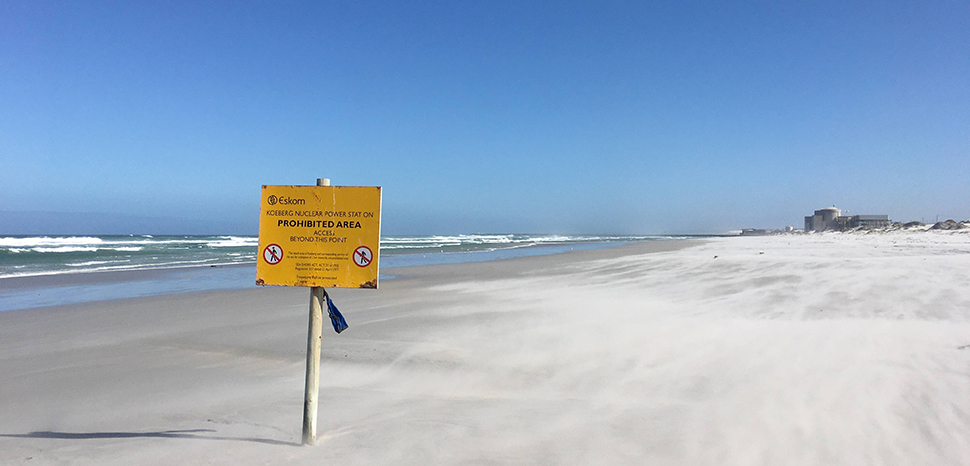
The case for a Kenyan nuclear program is a lot more ideological than the average pro-nuclear politician cares to acknowledge.
Between Durra and Arash: One Disputed Gas Field, Two Names
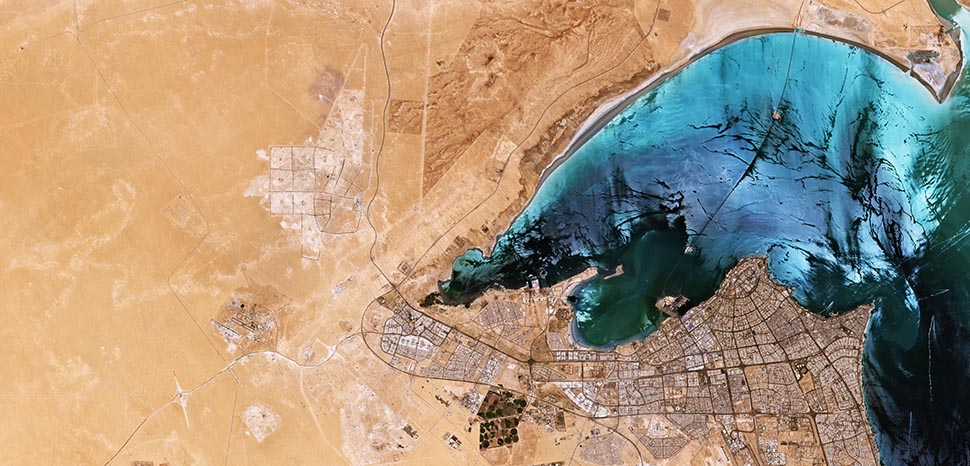
The Durra/Arash conflict reflects the multitude of geopolitical complexities governing relations between Tehran, Riyadh, and Kuwait.
Ukraine War: Western Sanctions Beginning to Bite?
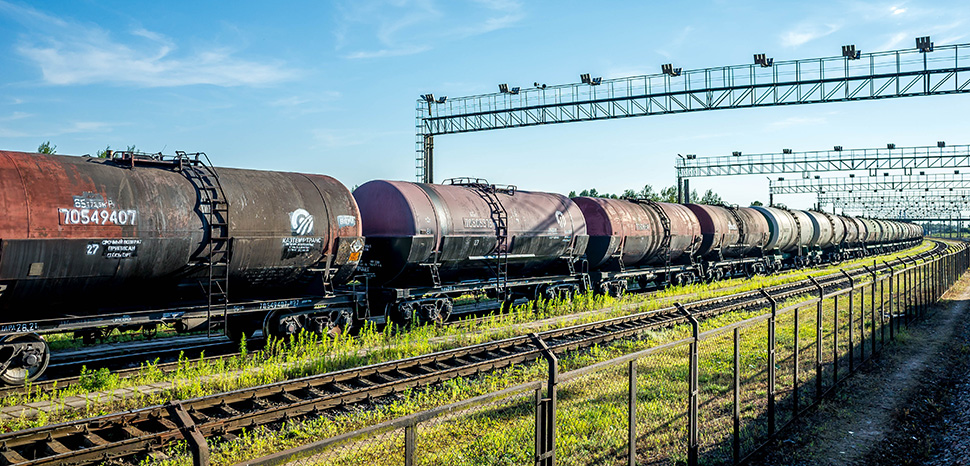
A new EU price cap appear to be succeeding where previous sanctions failed, producing a modest yet discernible dip in Russian fossil fuel revenues.
Energy and Food Insecurity Will Outlive the Ukraine War
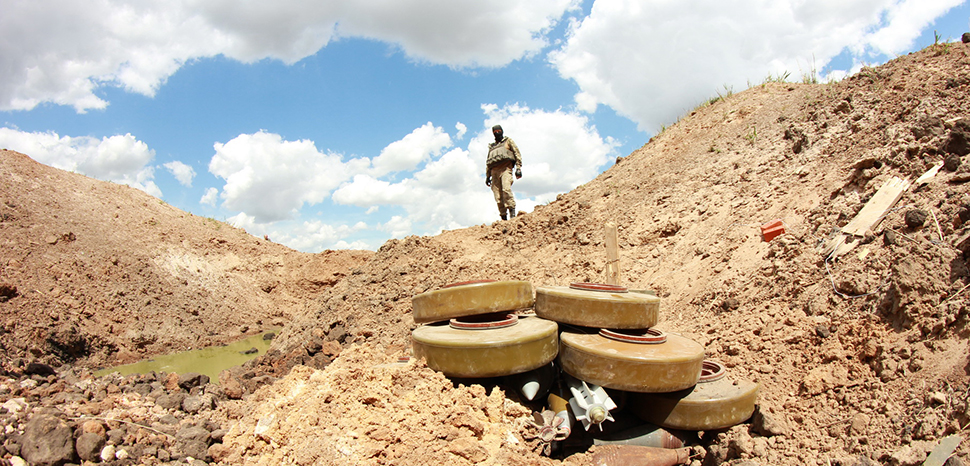
Fallout from the Ukraine war is just one of many factors fueling energy and food insecurity, both of which are likely to linger long after the conflict is over.