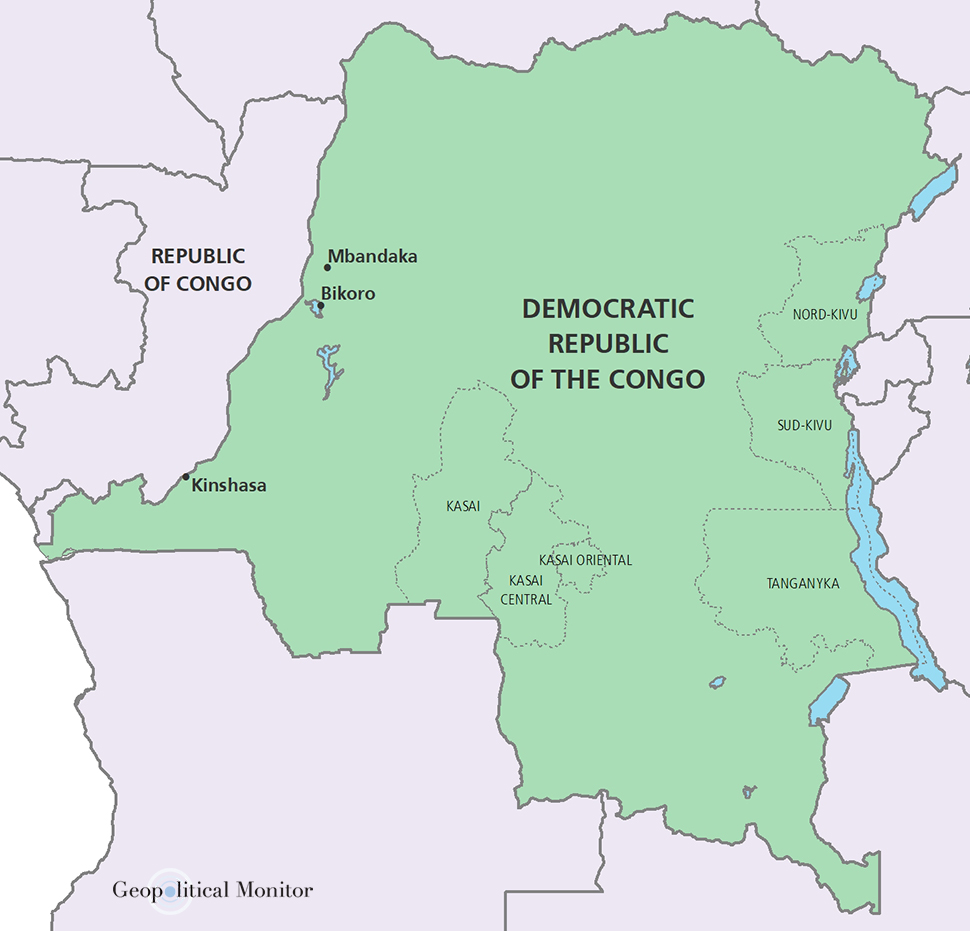
The Ebola outbreak in DRC is spreading. According to the latest government numbers released on May 21, there are now 58 recorded cases (28 confirmed, 21 probable, and 9 suspected). Four confirmed cases have been identified in Mbandaka, a city of around a million people.
The first case of this Ebola outbreak was recorded in the rural Bikoro region some 150 km away in early April.
The next two weeks are crucial for stemming the disease’s spread. If health authorities are lucky, they can stop the outbreak before it takes on any serious momentum. If not, they’ll face the prospect of mounting an epidemic response in a country that’s already teetering on the brink of political and economic collapse.
Impact
In the words of WHO emergency response chief Peter Salama, the current outbreak is “on the epidemiological knife edge” – the story of its containment or wider spread, potentially across international borders, will be told in the next few weeks. There are reasons for pessimism: Mbandaka is a sprawling, dense port city with poor health facilities and an intermittent electricity supply. The city is also only 40 km away from the Republic of Congo, so there’s a possibility that the outbreak could cross the border and become a regional concern. There are also reasons for optimism: experimental vaccines are being administered to people who have come into contact with the disease; the population of DRC has plenty of experience with past Ebola outbreaks (there have been 11 Ebola outbreaks in Zaire/DRC since 1977); and some of these past outbreaks have involved urban cases (notably Kikwit in 1995). The international authorities and medical workers have also learned some valuable lessons following the 2015 West Africa outbreak in Sierra Leone, Guinea, and Liberia.