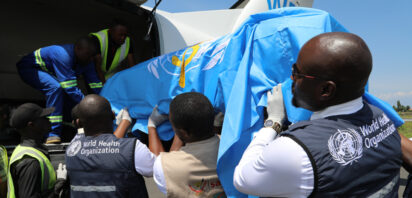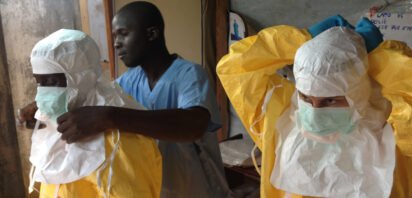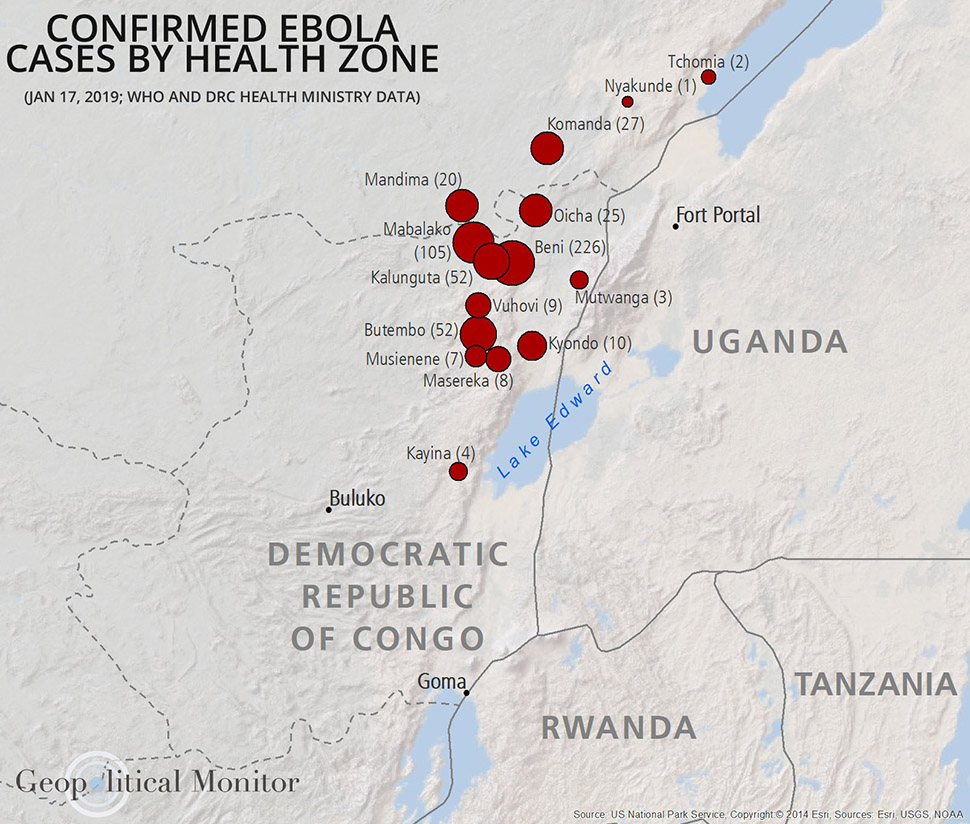
From the very beginning, there was cause for concern over the current Ebola outbreak in Democratic Republic of Congo (DRC). The northeast of the country suffers from poor road and health service infrastructure and intermittent rebel attacks, making a coordinated international effort to fight the disease all the more difficult. To make matters worse, the DRC is now in the grips of a political crisis over the disputed results of its long-anticipated presidential election, held on December 30.
Going by the WHO’s latest report, these early fears are now being realized. At 680 cases, the DRC Ebola outbreak is the second-largest in history, and more case spikes can be expected in the near future as the disease creeps toward major urban centers. It would seem that the first border-jumping case from this outbreak is now only a matter of time.
Impact
Notable developments since last situation report. There have been troubling developments since Geopoliticalmonitor.com last checked in on the outbreak in November 2018:
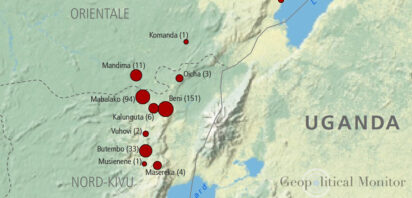
- Three confirmed cases have been reported in the Mutwanga health zone separating Beni from the Ugandan border. This suggests that the disease could jump into Uganda at any time.
- The DRC Health Ministry announced four confirmed cases in the Kayina health zone as of January 17. Kayina is located between Butembo, one of the outbreak’s epicenters, and Goma, a provincial capital of over a million people. Ebola’s southward creep not only represents a humanitarian disaster in the possibility of new cases in Goma; it also brings the disease closer to the artisan mining heartland in North Kivu. North Kivu is home to extensive mining operations in gold, wolfram, cassiterite, coltan, and diamonds, and small-scale extraction is often the fief of local militant groups. Ebola’s continued southward trajectory risks unleashing new security threats and complications in the WHO’s response, similar to how the Allied Democratic Forces attacks on Beni played out earlier in the outbreak.
- In a rare case of good news, Beni, a city of over 250,000 people and previous epicenter in the outbreak, has not reported any new cases for two weeks.