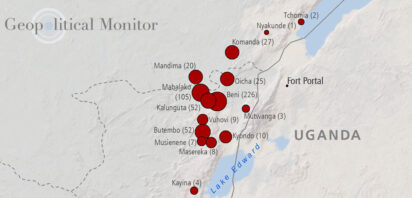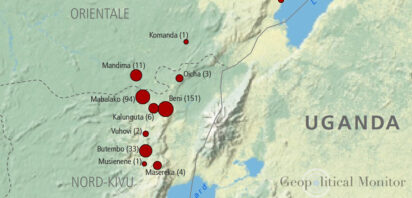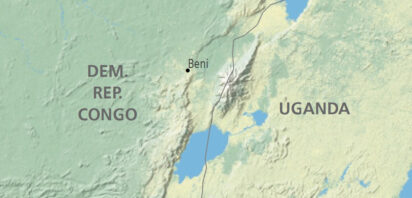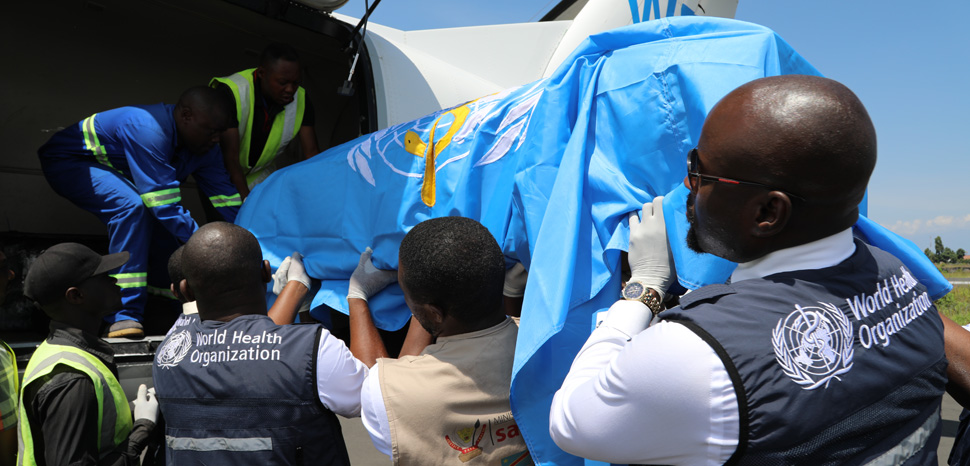
Given the porous nature of the border, it was only a matter of time before the Ebola outbreak in Democratic Republic of Congo made its way to Uganda. The first cases to be reported by the Ugandan authorities were a 5-year-old boy and his grandmother, both of whom have since succumbed to the disease. The pair are believed to have been infected while attending a family member’s funeral in the DRC.
Uganda is currently home to three other suspected cases, and the authorities are monitoring at least 112 other potential contacts.
The World Health Organization held an emergency meeting last Friday in Geneva, in which it stopped short of declaring that the Ebola outbreak is a public health emergency of international concern – a distinction that would expand the international response to the outbreak considerably.
But with each passing day, the case total ticks upward. It now stands at 2181 total and probable cases, and 1459 people have lost their lives in the current outbreak.
Impact
Since the first cases of Ebola were reported in DRC’s Ituri province in August of last year, it was clear that the outbreak would pose a unique challenge for domestic and international health authorities.
The nearby border with Uganda – vast, porous, and largely unpoliced – was one overriding concern. Tens of thousands of traders, migrants, and local residents cross the border every day, often via the hundreds of unofficial crossings that crisscross the woodlands spanning the borderlands. This situation creates difficulties not just in terms of the actual transmission of Ebola across the border, but also, and arguably more importantly, in the effective tracking and monitoring of friends and family who have had contact with confirmed cases.