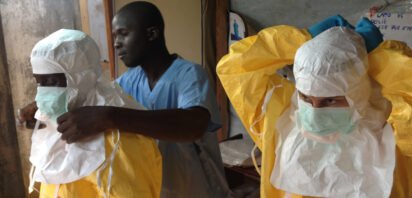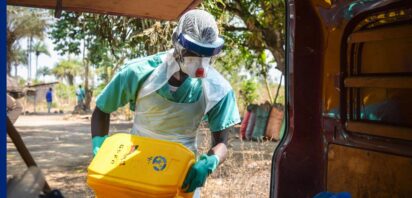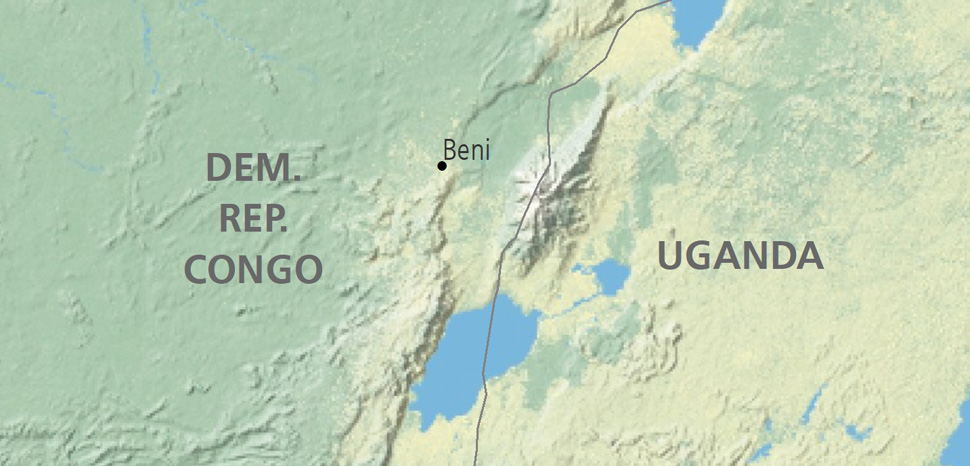
An Ebola outbreak continues to gather steam in northeastern Democratic Republic of Congo (DRC). The first cases were reported in July, and since then there have been 211 confirmed and probable cases and 138 deaths according to numbers recently released by the DRC health ministry.
Impact
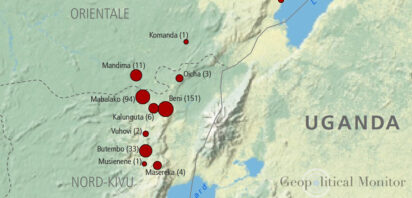
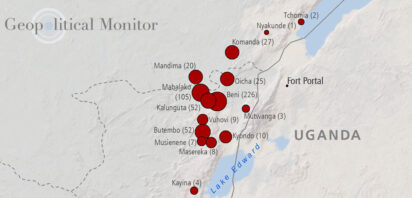
WHO situation reports paint the picture of an outbreak that will only get worse before it gets any better. The UN organization expects the virus to continue spreading for another three months at least, and has cited the possibility of the outbreak crossing the border into neighboring Uganda and/or Rwanda. So far, most cases are being reported in the Beni and Mabalako health zones, both of which border Uganda. Beni is the largest urban center to be impacted by the outbreak, with a population of around 230,000.
Going by the health ministry’s numbers, cases have more than doubled in recent weeks. The uptick comes after confirmed cases had slowly begun to trend downward, and the reversal is no doubt the result of a cessation of aid activities in some of the worst-hit areas due to security concerns.
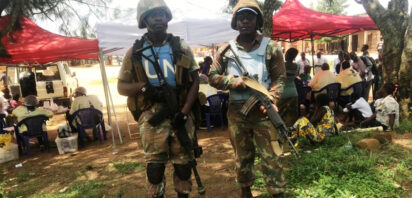
Beni – the city reporting most of the new cases – has a long history of conflict between government forces and rebel groups, particularly the Allied Democratic Forces (ADF). The ADF is widely blamed for a series of massacres that occurred there between 2014-2018.
The ADF is an umbrella group of rebel and terrorist organizations that dates back to the 1990s. Originally based in Western Uganda, it has expanded into northeastern DRC in recent years as DRC government authority receded. In one attack in December 2017, the ADF killed 15 UN peacekeepers in eastern DRC. The rebel group was recently weakened by a joint DRC/Uganda offensive launched in early 2018, but over the years it has developed a reputation for resilience and being able to bounce back quickly.