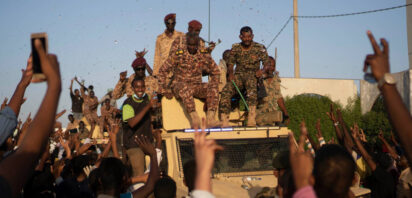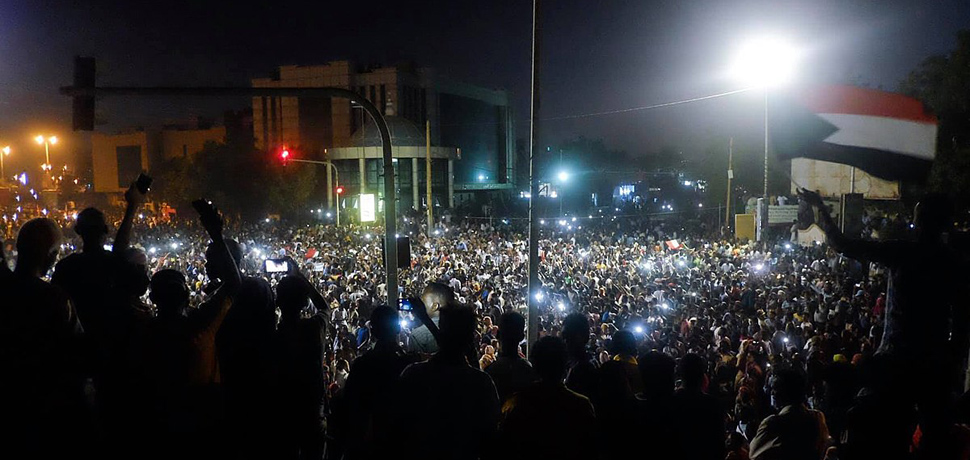
In echoes of the Arab Spring, Sudan is currently in the grips of a state-wide protest movement.
Though the demonstrations were born out of economic crisis in December of last year, they quickly evolved a political dimension. More recently, the protestors have been invigorated by the fall of President Abdelaziz Bouteflika in Algeria under similar circumstances.
Yet there’s no indication that Sudan’s President Omar al-Bashir will go quietly into the night after 29 years in power, and more violence is almost a certainty in the short-term.
Background
What’s behind the protests?
The protests began as a response to the ruinous state of Sudan’s economy. Unemployment is rampant, with youth employment at 27 percent; inflation is fluctuating between 60-70 percent; corruption is rife due to a lack of credible political opposition and transparency; and fuel and cash shortages are common throughout the country, especially over the past two months.
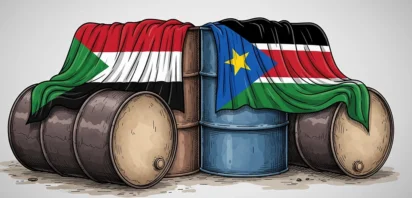
The economy never fully recovered from the separation of South Sudan. When Africa’s newest country left in 2011, it took around 75% of Sudan’s proven oil reserves and its primary source of foreign currency along with it.
Sudan has also been hamstrung by years of US sanctions, which were finally lifted in early 2017. The country remains on the US list of state sponsors of terrorism.