The downfall of President Omar al-Bashir has failed to bring about an end to Sudan’s protest movement. Rather, the conflict has entered a new phase, one where civilian and military leaders are vying for maximum advantage in the new political order that’s about to be born.
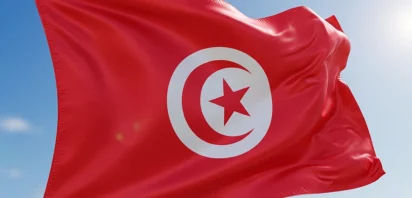
The parallels to the early days of the Arab Spring are glaringly obvious. But what will the second phase of Sudan’s revolution look like – the tenuous success of Tunisia, the backsliding of Egypt, or the slaughter of Syria?
Background
Protests broke out in Sudan in late December over soaring prices for essentials like bread and gasoline. Initially restricted to the countryside, the demonstrations spread to the capital of Khartoum and their aim narrowed in on the removal of long-serving President Omar al-Bashir.
A stand-off between authorities and demonstrators unfolded over the first three months of 2019. Acts of violence and intimidation by shadowy paramilitary organizations were widespread, resulting in hundreds of deaths and disappearances.
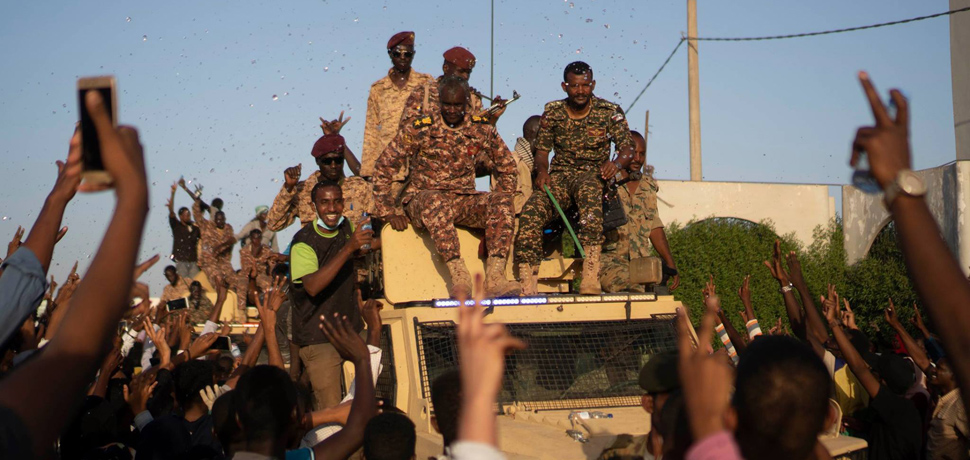
On February 11, President Bashir declared a year-long state of emergency to quell the dissent. It would be to no avail. On April 11, the president was arrested and deposed by the military following a mass sit-in at the army’s headquarters. He was replaced by a military council comprised of allies and insiders from the old regime. The council’s first act was to suspend the constitution and announce a three-month state of emergency.
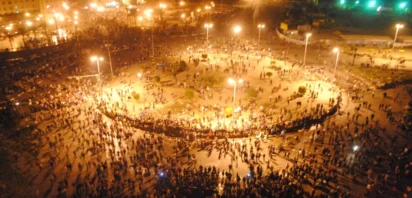
Jubilation on the streets of Khartoum ended up being short-lived. It wasn’t long before the new council was clashing with protestors over plans for a two-year transitional period. The dispute reflects a familiar dynamic in other mass upheavals: the military wants to consolidate its own influence and control how the new political order is constituted, and the protestors want to press their advantage and secure civilian rule. The protest leaders are all too aware that it will be difficult to achieve another mass mobilization should the military back away from democratic change in the future.
This brings us to the present: negotiations are ongoing between the military council and civilian leaders against the backdrop of huge protests in the capital.