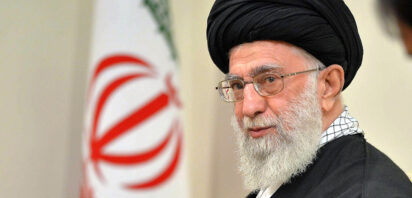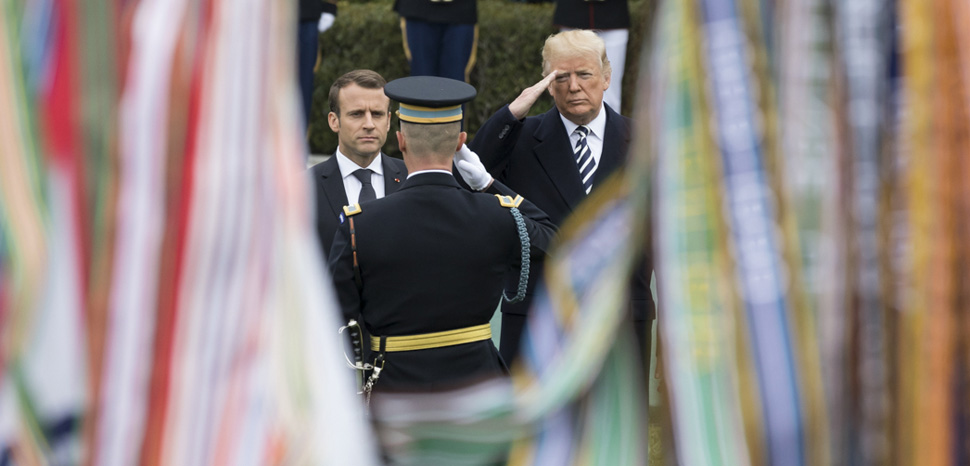
French President Emmanuel Macron has visited Tehran in a last-ditch effort to rescue to Iran nuclear deal from diplomatic oblivion.
The visit comes after a string of destabilizing escalations in the region.
Yet Macron and other leaders will have their work cut out for them in convincing the Iranian authorities that there’s anything Europe can do to break the country’s US-imposed isolation.
Impact
From the day when President Trump first announced that the United States was pulling out, Tehran’s strategy has been to create whatever costs it could from the collapse of the nuclear deal: if the regime was to be isolated again, it would inevitably involve consequences for the United States and its allies.
These consequences have become increasingly evident over the past few weeks.
First there was a mysterious attack on two tankers in the Strait of Hormuz – an energy supply chokepoint that Iran’s entire defensive strategy revolves around. Then the shooting down of an unmanned US drone, an event that almost invited direct military retaliation from the United States. More recently, British marines stormed and seized an Iranian tanker suspected of breaking sanctions and shipping oil to Syria.
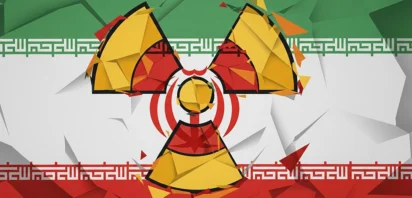
All the while, Iranian authorities have been ramping up uranium enrichment in a didactic display of what the nuclear deal had achieved – and what’s lost in its absence. On Monday, Tehran announced that it’s now enriching up to 4.5%, edging slightly above the limit set by the now-defunct nuclear deal. Unofficial comments by Iranian officials suggest that the next step might be an increase to 20%, but this won’t come until after the next deadline is passed in the first week of September.