Middle East
Imminent for Over Three Weeks, The US-Iran Peace Deal Finally Arrives.
What Happened
The Iran war whiplashed between a resumption of full-scale hostilities to a breakthrough on the diplomatic front:
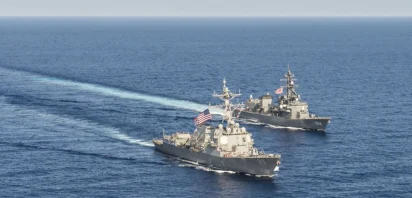
Ceasefire tested early in the week. A US Apache helicopter was shot down by an Iranian drone off the coast of Oman on June 8, presumably while enforcing the US naval blockade against Iranian ports. The incident elicited a wave of US ‘self-defense strikes’ against Iranian targets in Qeshm Island and the ports of Sirik, Jash, and Bandar Abbas. Two water reservoirs were damaged by the strikes, prompting accusations of war crimes. Then came a wave of Iranian reprisals against Gulf targets, notably the Sheikh Isa airbase in Bahrain, the Ali Al Salem airbase in Kuwait, and a US airbase in Azraq, Jordan. Iranian state media claimed that the attacks were successful, but this has yet to be independently verified.
The escalation was remarkable in its intensity, illustrating Tehran’s commitment to match any escalation in kind. But it was also brief, with fighting quickly giving way to a renewed flurry of diplomacy that persisted all the way through to the signing of a memorandum of understanding on Sunday.
Lebanon remains a hurdle to durable peace. The US and Iranian side kept within their guardrails amid escalations earlier in the week. But the third antagonist in this war, Israel, is well placed and inclined to play a spoiler role. The IDF was doing just that through the weekend by bombing Beirut – a redline that has caused the Iranians to walk away from talks in the past. The Israeli operation triggered another expletive-laden unloading by President Trump on Benjamin Netanyahu as a peace deal hung in the balance. Even after peace terms were officially reached late on Sunday, Israel’s defense minister was quick to announce that the IDF would be remaining in its ‘security zones’ in Lebanon, Syria, and Gaza indefinitely.