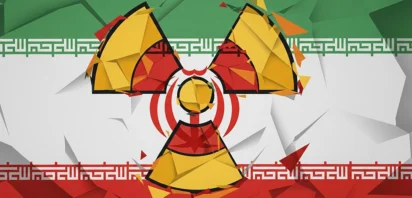
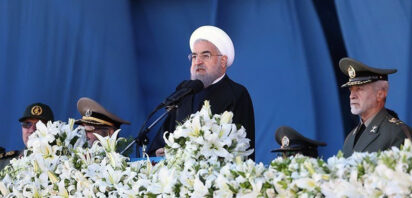
In recent months, Iran and its allied militias in Iraq have noticeably dialed down their activity in the face of rising threats from the United States, especially as nuclear talks with the Trump administration have resumed. While this more cautious stance has temporarily eased the risk of a broader regional escalation, the evidence suggests it’s more of a short-term tactic than a permanent shift away from Iran’s long-standing proxy strategy. What we’re seeing is a calculated effort by Tehran to avoid direct confrontation while still holding on to its influence and deterrent capabilities through unconventional means.
Tactical De-escalation as Strategic Signal
Recent moves by Iran to scale back its regional footprint include pulling Islamic Revolutionary Guard Corps (IRGC) personnel out of Yemen and nudging certain hardline Iraqi militias toward disarming or reducing their visibility. These militias, long seen as extensions of Iranian influence in Iraq, carried out multiple attacks on US forces during the ongoing Hamas-Israel war. Their operations targeted US military personnel and infrastructure in Iraq, Syria, and Jordan, culminating in the deadly January 2024 drone attack on Tower 22, which killed three US service members. In recent months, however, attacks have seen a sharp decline.