Buried beneath headlines of impeachment and the Wuhan coronavirus, events are playing out that could reshuffle the deck of geopolitical alignments surrounding the Syrian civil war.
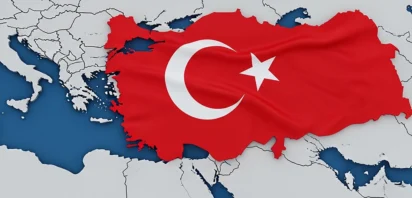
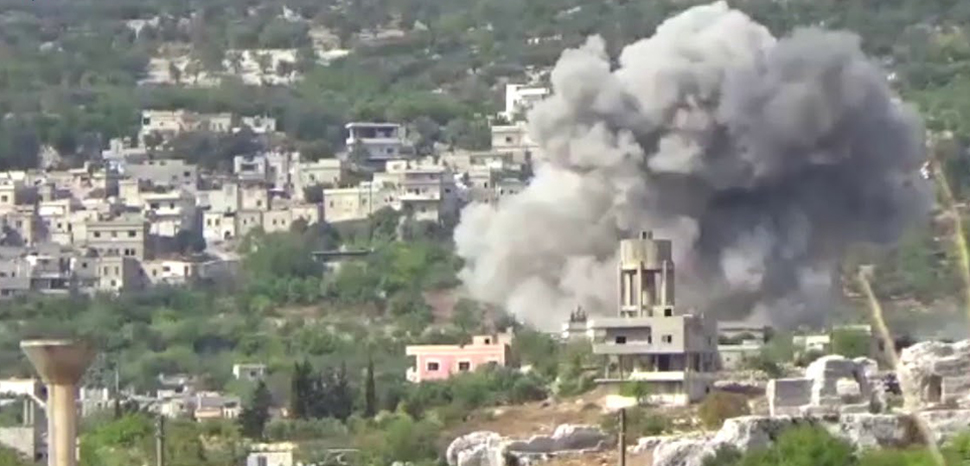
The catalyst was the launch of a long-anticipated government offensive on Idlib. The operation, which pits Turkey-allied militias against the Assad regime and its Russian ally, was always going to test the strength of Moscow and Ankara’s nascent detente. The hope in Russia had always been that Turkey would clear out ahead of the final push to reunify the country. That hasn’t happened; in fact, Turkey has now doubled-down on the defense of its proxies in northwest Syria, and we could be heading to yet another escalation in the protracted conflict. The new fighting has already displaced some 700,000 people in Idlib since December – the largest migration the war began.
Analysis
Damascus and Moscow have officially run out of patience with their erstwhile partner in Ankara.
Cooperation had hinged on a 2018 deal that established a buffer zone around Idlib. The agreement included a pledge from Turkey to clear out extremists from Idlib in exchange for a delay in the inevitable full-scale invasion and reunification of the country. The deal also granted Turkey permission to establish a string of military observation posts across Idlib.
It soon became apparent to the Russian authorities that Turkey was in no rush to vacate the region. In April 2019, the government launched a foray into the demilitarized ‘safe zone,’ backed by Russian air power, and in August frictions came to the fore when a Turkish military convoy was destroyed in an airstrike. (The convoy may have been resupplying the very rebels that Damascus was fighting against).
The end of last month brought a renewed push, and now two weeks into February government forces are closing in on Idlib city. Critically, government forces are also closing in on the main north-south highway between Aleppo and Homs – a key logistical conduit between north and south that has remained partially in rebel hands for over five years.