Geopolitics Weekly analyzes emerging geopolitical trends around the world, distilling the cacophony of global events into one easy reader. It lands in the inbox of Geopolitical Monitor subscribers every week.
Middle East
No Compromise in Sight as Ceasefire Set to Expire on Wednesday
What Happened
Notable events in the US-Israel Iran war over the past week:
- The UN FAO chief economist told CNN on April 16 that the ‘clock was ticking’ on a global food crisis, warning of worsening planting season disruptions in Bangladesh, Pakistan, Sri Lanka, India, Sudan, Kenya, Brazil, and Thailand if the Strait remains closed. Elsewhere, José Andrés of World Central Kitchen warned of a ‘massive, multi-year famine’ owing to the ‘silent collapse’ of fertilizer supply chains.
- US officials have informed European governments that previously agreed to weapons deliveries will be delayed due to the Iran war, as per April 16 reporting from Reuters. The delay covers orders from Lithuania, Estonia, and possibly other states.
- US Central Command chief Brad Cooper told CNN on April 16 that US troops were rearming under the ceasefire. The comments came just a day after the Washington Post reported that the Pentagon is sending an additional 6,000 troops in the USS George HW Bush carrier strike group currently sailing toward the Arabian Sea. Interestingly, the George HW Bush took the long way around the Cape of Good Hope rather than having to transit the Bab al-Mandeb Strait, which would put it in range of Houthi attacks. For its part, Iran has reportedly been digging out buried missile launchers in anticipation of a possible resumption in hostilities.
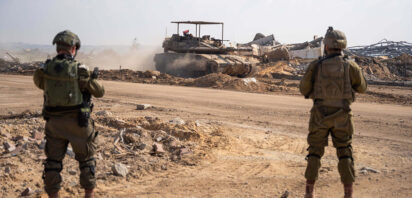
- A 10-day ceasefire was reached between Israel and the government of Lebanon, by way of President Trump. The April 17 agreement does not require the IDF to pull out of any of the positions it currently occupies in southern Lebanon, where it continues to systematically destroy villages with the intent of ‘clearing the area.’ Despite the ceasefire, the IDF has warned residents of some 50 villages in southern Lebanon not to return.
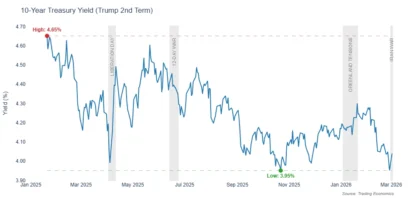
- Iran Foreign Minister Abbas Araghchi declared that the Strait of Hormuz was ‘completely open’ in a social media post on April 17, citing the fulfillment of one of the original ceasefire preconditions of a ceasefire in Lebanon. The news buoyed US equity markets to record highs.
- The US is considering the release of $20 billion in frozen Iranian assets in exchange for Iran giving up its stockpile of enriched uranium, as per April 17 reporting from Axios. This headline, however, seems to reflect the US negotiating position and does not indicate movement on the Iranian side, which evidently has only offered to down blend (dilute) its highly enriched stock and/or accept a ‘voluntary’ moratorium on future enrichment. Iran’s Foreign Ministry later explicitly pushed back on the idea: ‘Iran’s enriched uranium is not going to be transferred anywhere.’
- The IRGC announced on April 19 that it was re-closing the Strait of Hormuz until the US blockade on Iranian ports is lifted. It subsequently fired on two Indian tankers attempting to transit the Strait, forcing them to turn back. Other tankers were turned back later in the day.
- The Houthi regime in Yemen warned that it could impose a blockade on the Bab al-Mandeb Strait in a social media post on April 19.
- Iran President Masoud Pezeshkian said that there could be no justification for depriving Iran of its legitimate nuclear rights in an interview on April 19.
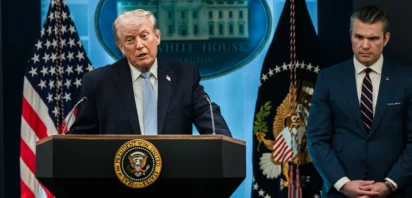
- President Trump declared ‘no more Mr. Nice Guy’ and repeated threats to attack Iranian energy infrastructure and bridges in a social media post on April 19. He also accused the Iranian side of violating the ceasefire when it fired on ships transiting Hormuz over the weekend.
- The US blockade in the Arabian Sea interdicted and fired upon the Iran-flagged cargo vessel TOUSKA on April 19, seizing its cargo.
- Unnamed officials cited in the Iranian state media said that there are ‘no plans’ for new talks, despite President Trump having dispatched negotiators to Islamabad in the hope of resuming the diplomatic process on Monday.
Why It Matters
The ceasefire is set to expire on Wednesday and a resumption of hostilities appears likely. A contradiction lies at the heart of the ongoing diplomatic process: the Trump administration has set objectives for itself that cannot be fulfilled easily, if at all, because the nuclear issue is a fundamental legitimizing pillar for an otherwise illegitimate regime.