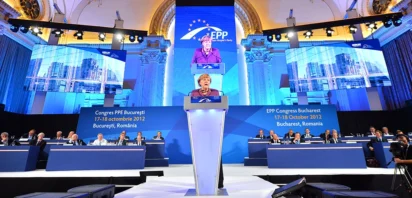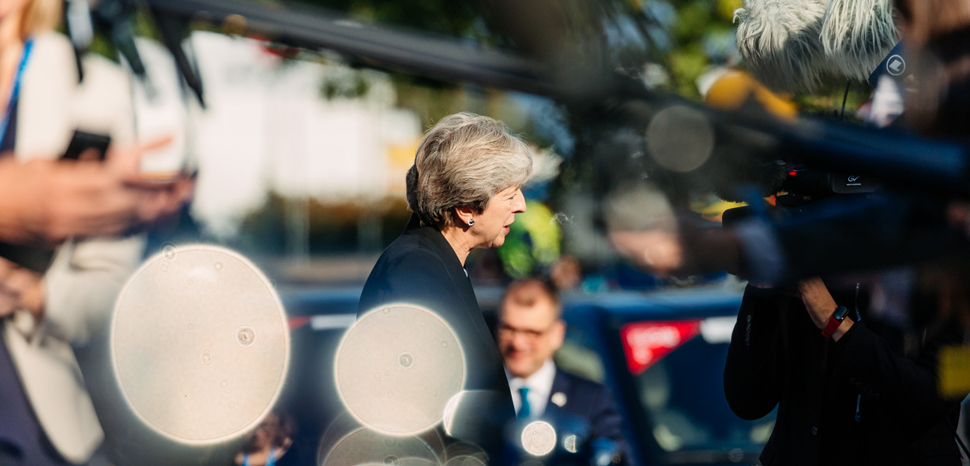
Thursday marked the final day of an informal EU summit meant to clear the path for a final agreement ahead of the UK’s 2019 exit from the EU.
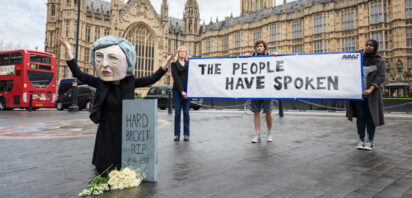
It comes amid a now-familiar din of upheaval within the UK Conservative Party, with Prime Minister Theresa May pushing a newly agreed upon “Chequers plan” to secure ongoing access to the EU single market and the Brexit wing of the party demanding she “chuck Chequers” and accept the reality of a hard Brexit.
On the other side of the negotiating table there’s a slew of EU leaders who remain unconvinced, led by EU Commission President Jean-Claude Juncker, who roundly panned the Chequers framework in his recent state of the union speech.
The Salzburg summit failed to produce a breakthrough, but did produce a final deadline: the EU Council meeting on October 18. In the words of EC President Donald Trump, that will be the “moment of truth” for the long odyssey of Brexit negotiations.
But with the Tory party conference looming, will PM May be out of the job by then?
Impact
May’s Chequers plan is put to the test at the negotiating table. Theresa May’s Chequers plan refers to a Brexit agreement reached with her cabinet in Chequers in July. It was laid out in detail in a government white paper released soon after. The plan marks the culmination of Prime Minister May’s long balancing act between domestic and international negotiating imperatives. For the domestic audience, Prime Minister May has had to emphasize newfound regulatory and governance powers so as to make the Brexit referendum appear meaningful. Some examples include resuming independent control over customs, health regulations, and freedom of movement. Yet to appease the international (EU) audience, May has had to pull in the opposite direction. Put simply, the more harmonized the UK regulatory and legal framework is with the EU, the more likely it is that PM May could secure a favorable post-Brexit trade arrangement.