Geopolitics Weekly analyzes emerging geopolitical trends around the world, distilling the cacophony of global events into one easy reader. It lands in the inbox of Geopolitical Monitor subscribers every week.
North America
Another Summit, Another Framework: Trump Inks One-Year Trade Truce with China
What Happened
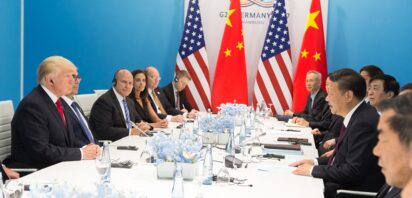
President Trump and Xi Jinping hammered out a trade truce at the sidelines of the APEC summit in Busan last week. The deal includes a commitment on the Chinese side to buy US soybeans, new pledges on fentanyl cooperation, and a delay on new rare earth controls for one year. Trump also later hinted at the possibility of China purchasing US energy in a social media post. In exchange, China had its fentanyl tariff reduced to 10%, a pending Section 301 investigation into China’s shipping industries called off, and a delay on new curbs on state-owned subsidiaries.
Why It Matters
The deal has already been widely discussed, including in a forecast from last week. But it’s worth noting that it reflects familiar themes of late:
- Waning US Bilateral Leverage. Beyond the projected optics of a stunning diplomatic breakthrough – now so common as to become meaningless – the US did not get much here, and this is not terribly surprising given the evolving power dynamics in US-China trade relations. China will buy soybeans, like it was before. China will also cooperate on fentanyl, which it was already doing before the latest bilateral upheavals. Yet it still comes away with clear wins in tariff and regulatory relief.
- Devil in the Details. This is a vague and unenforceable framework, more stream of consciousness than binding treaty. We already know how this ends from the 2020 Phase One agreement. In particular, there’s many ways that the rare earth pledge, another supposed concession by China, can be gamed to turn the screws on US industry; for example, by slowing down or limiting export license approval. If and when this happens there will be no institutional recourse for the US president but to tweet angrily about it.
- Still a (Qualified) US Win. Washington is now playing catch-up in an attempt to reverse decades of long-term planning and state-backed industrial consolidation by Beijing. As explored in a recent report, the prospects for supply chain autonomy are bleak and this will remain a critical vulnerability for US industry and military power over the short term. Yet assuming political will is sustained on the US side and the Busan trade framework holds up, a year could go a long way in reducing China’s leverage here.